The United States Men’s National Team (USMNT) has officially shattered a long-standing psychological barrier. In a high-stakes Round of 32 clash at the 2026 FIFA World Cup, the squad delivered a clinical performance, defeating Bosnia-Herzegovina 2-0. This result marks the first time the U.S. has tasted victory in a knockout-stage match since the 2002 tournament in South Korea and Japan, signaling a potential turning point for a program that has been hungry for international validation.
For decades, the "Round of 16 curse" has been a central narrative in American soccer. While the team has consistently qualified for the tournament, navigating the pressure of elimination games has historically proven to be an insurmountable task. Wednesday night’s performance, however, suggested a more mature and resilient group capable of handling the immense weight of expectation that comes with hosting the world’s biggest sporting event.
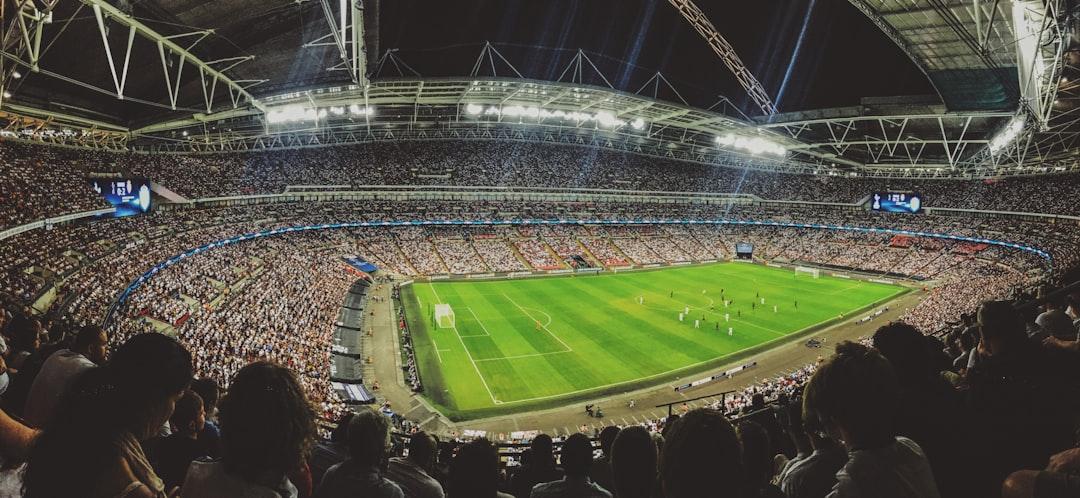
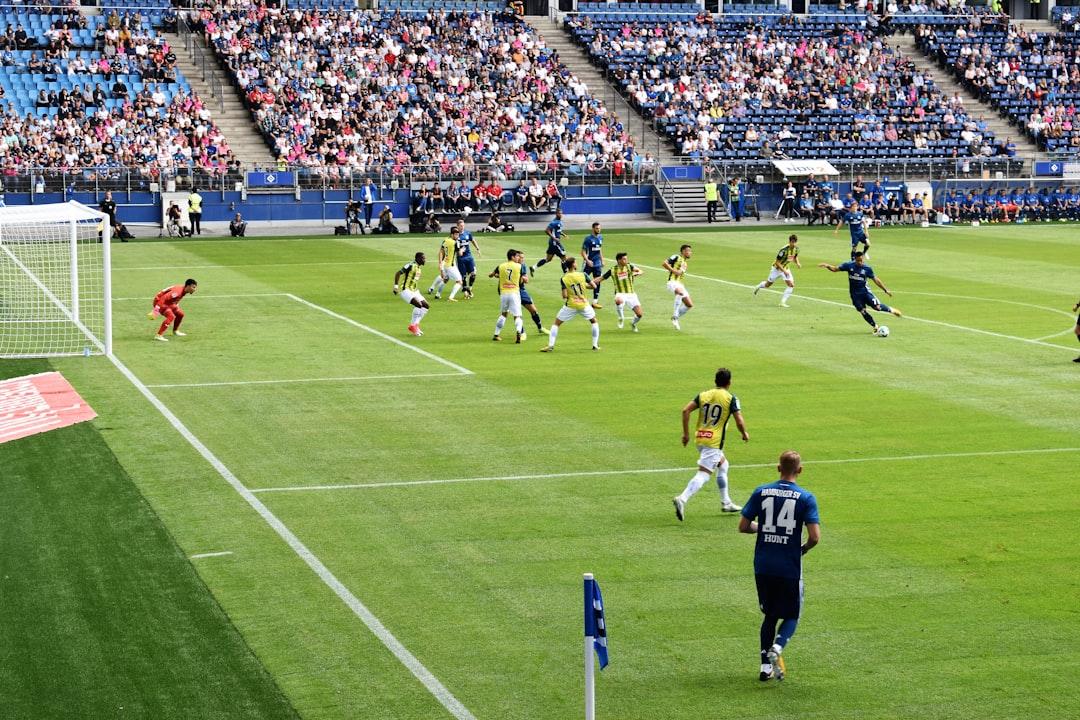
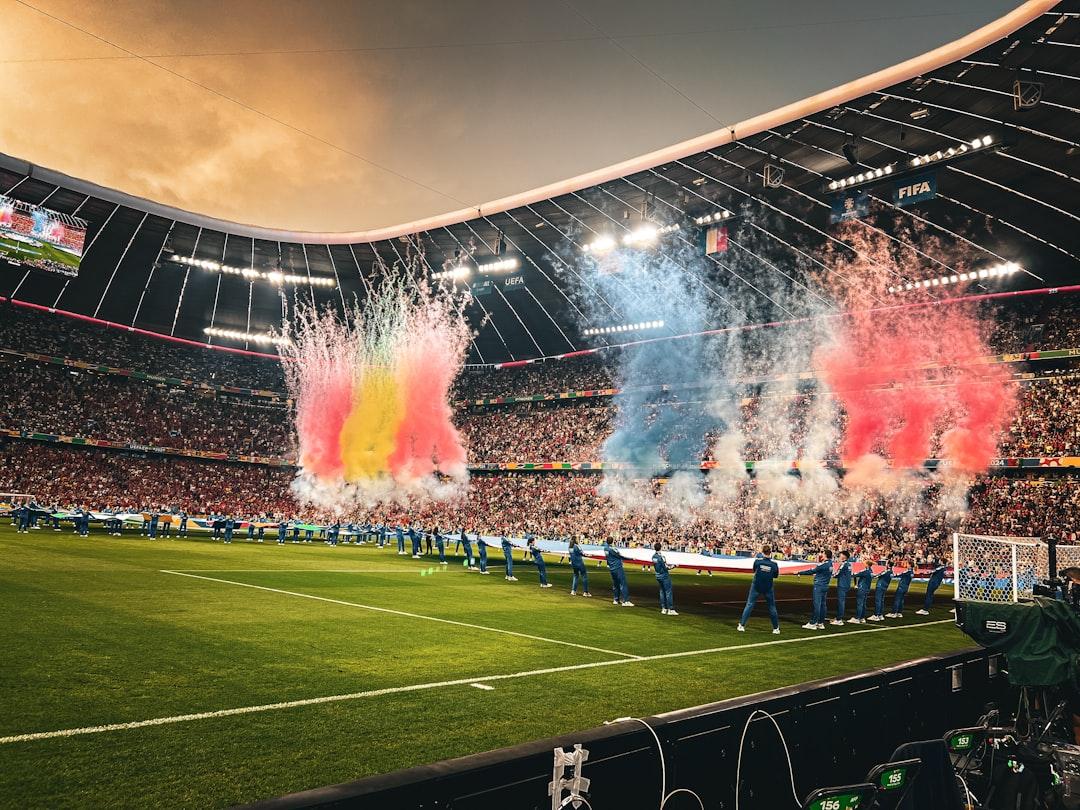
From the opening whistle, the USMNT displayed a level of tactical discipline that was notably absent in previous iterations of the team. Playing in front of a raucous home crowd, the Americans controlled the tempo of the game, neutralizing the Bosnian counter-attack before it could gain momentum.
Key takeaways from the match included:
- Defensive Solidity: The backline remained organized throughout the 90 minutes, limiting Bosnia’s high-quality scoring chances and securing a clean sheet.
- Midfield Control: The U.S. engine room successfully dictated the flow of the game, utilizing short, precise passing to pull the Bosnian defense out of position.
- Clinical Finishing: Unlike previous World Cup campaigns where missed opportunities defined the U.S. experience, the squad was ruthless when it mattered most, converting their chances with composure.
The shadow of 2002 has loomed large over the USMNT for nearly a quarter of a century. That year, under the guidance of Bruce Arena, the U.S. shocked the world by reaching the quarterfinals. Since then, the team had suffered a series of heartbreaking exits, including narrow losses and lopsided defeats that left fans and pundits questioning the trajectory of the sport in the United States.
By overcoming Bosnia-Herzegovina, this current roster has not only advanced to the Round of 16 but has effectively exorcised the ghosts of previous campaigns. The victory is a validation of the investments made in the domestic player development pipeline and the integration of talent currently playing in top-tier European leagues.
While the celebration in the locker room was well-deserved, the reality of tournament football is that there is no time to rest. Advancing to the next stage means the difficulty level will inevitably climb. The USMNT will now turn its attention to scouting their next opponent, preparing for a match that could define the legacy of this generation of players.
Head coach and staff are expected to emphasize recovery and video analysis over the coming days. The momentum gained from this victory will be a vital asset, but maintaining focus will be the ultimate challenge. The home-field advantage continues to play a massive role, with fan support reaching fever-pitch levels as the team prepares for their next knockout encounter.
Beyond the scoreline, this win holds significant implications for the growth of soccer in the United States. A deep run in the 2026 World Cup is widely viewed as a catalyst for increased viewership, youth participation, and sponsorship interest. By reaching the final 16, the USMNT has guaranteed more spotlight, more prime-time slots, and more opportunities to capture the attention of the casual American sports fan.
As the tournament progresses, the narrative surrounding the USMNT has shifted from "can they compete?" to "how far can they go?" For a nation that has spent years trying to cement its place among the global elite, this win over Bosnia-Herzegovina is a massive step toward that goal. The 24-year wait is officially over, and the path to the trophy remains wide open.