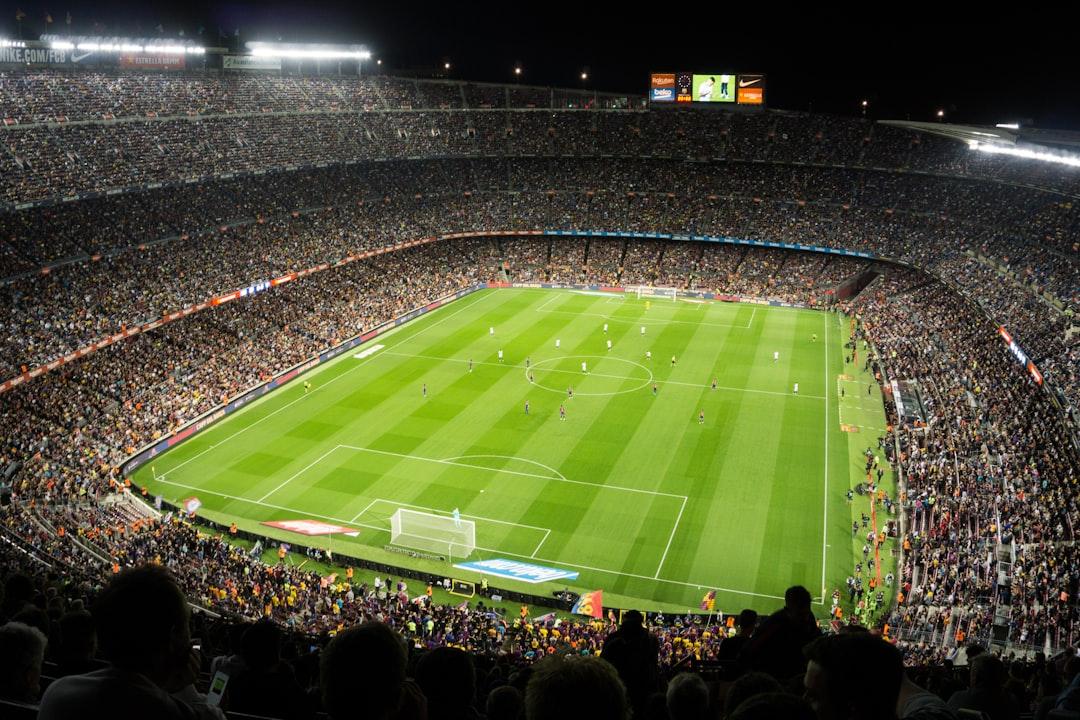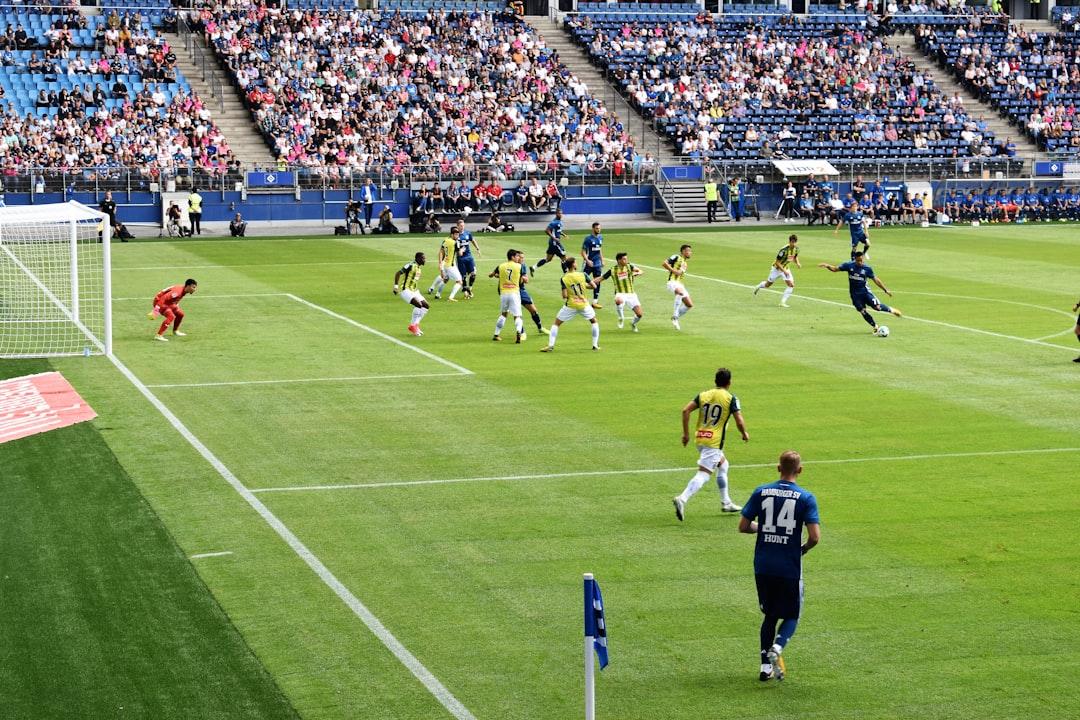
In the high-pressure environment of the World Cup, matches are rarely decided solely by tactical ingenuity or technical prowess. Often, it is the ability to weather adversity that defines a team's tournament trajectory. The U.S. Men’s National Team (USMNT) faced their ultimate test of character on Tuesday, overcoming a controversial officiating decision and a stubborn Bosnia and Herzegovina side to punch their ticket to the Round of 16.
The match, which kept spectators on the edge of their seats until the final whistle, served as a microcosm of the team's evolution under head coach Mauricio Pochettino. Despite the odds shifting against them mid-game, the American squad demonstrated a level of resilience that suggests they are ready to compete with the world’s elite.
The narrative of the match shifted dramatically in the second half when striker Folarin Balogun was shown a straight red card. The incident occurred following a collision with Bosnia and Herzegovina defender Tarik Muharemović. While the contact appeared incidental to many observers, the referee deemed the challenge—which resulted in Balogun’s foot landing on the opponent's ankle—to be a dismissible offense.
The reaction on the pitch was immediate and visceral. Weston McKennie, a stalwart of the U.S. midfield, stood frozen with a look of utter disbelief, while Mauricio Pochettino expressed his frustration toward the officiating crew with animated gestures. The decision threatened to derail the American campaign, leaving them with ten men and a significant tactical disadvantage for the remainder of the match.
Following the dismissal, the burden of proof shifted to the remaining ten players on the pitch. Rather than retreating into a shell, the U.S. team adjusted their shape, focusing on defensive discipline and clinical transitions. The tactical shift required immense concentration, as Bosnia and Herzegovina sought to capitalize on the numerical advantage.
Key takeaways from the USMNT’s defensive stand included:
- Midfield Discipline: McKennie and his midfield partners dropped deeper, effectively clogging the passing lanes that Bosnia and Herzegovina attempted to exploit.
- Defensive Compactness: The backline maintained a rigid structure, limiting the space available for the opposition to create high-quality scoring chances.
- Efficient Counter-Attacking: Even with a man down, the U.S. continued to threaten on the break, forcing the Bosnian defense to remain cautious rather than committing everyone forward.
Advancing to the knockout stages is a significant milestone for the U.S. team, particularly given the circumstances of their final group-stage victory. For Pochettino, the win provides more than just a spot in the next round; it provides a blueprint for how his team can handle adversity in future matches.
As the tournament progresses, the focus will shift to the Round of 16. The team will need to address the absence of Balogun, who will be suspended for the next match, forcing the coaching staff to reconsider their attacking personnel. However, if the performance against Bosnia and Herzegovina is any indication, the U.S. squad possesses the depth and mental fortitude to continue their run.
The path to the World Cup trophy is never straightforward. The U.S. team has proven that they can navigate the complexities of international football, even when the officiating and momentum turn against them. As fans and analysts look forward to the next round, the primary question remains: can the U.S. maintain this intensity when the stakes reach their absolute peak?
With the Round of 16 looming, the U.S. Men's National Team enters the knockout phase not just as a participant, but as a formidable contender capable of defying expectations. The victory over Bosnia and Herzegovina will be remembered as the moment the squad truly gelled under pressure, setting the stage for what promises to be a thrilling conclusion to their World Cup journey.