- The USMNT was eliminated from the 2026 World Cup after a 4-1 loss to Belgium in the Round of 16.
- Despite the loss, the match achieved NFL-level television ratings, signaling massive growth in U.S. soccer interest.
- Tactical gaps and defensive errors were cited as the primary reasons for the lopsided defeat against a clinical Belgian side.
- The early exit on home soil raises critical questions about the future of the U.S. coaching staff and player development.
The Seattle Heartbreak: Analyzing the USMNT’s 2026 World Cup Exit and the Road Ahead
A 4-1 defeat to Belgium ends the American dream on home soil, raising urgent questions about tactical maturity and the future of the 'Golden Generation.'
Jul 7, 2026·0 views
Key Takeaways
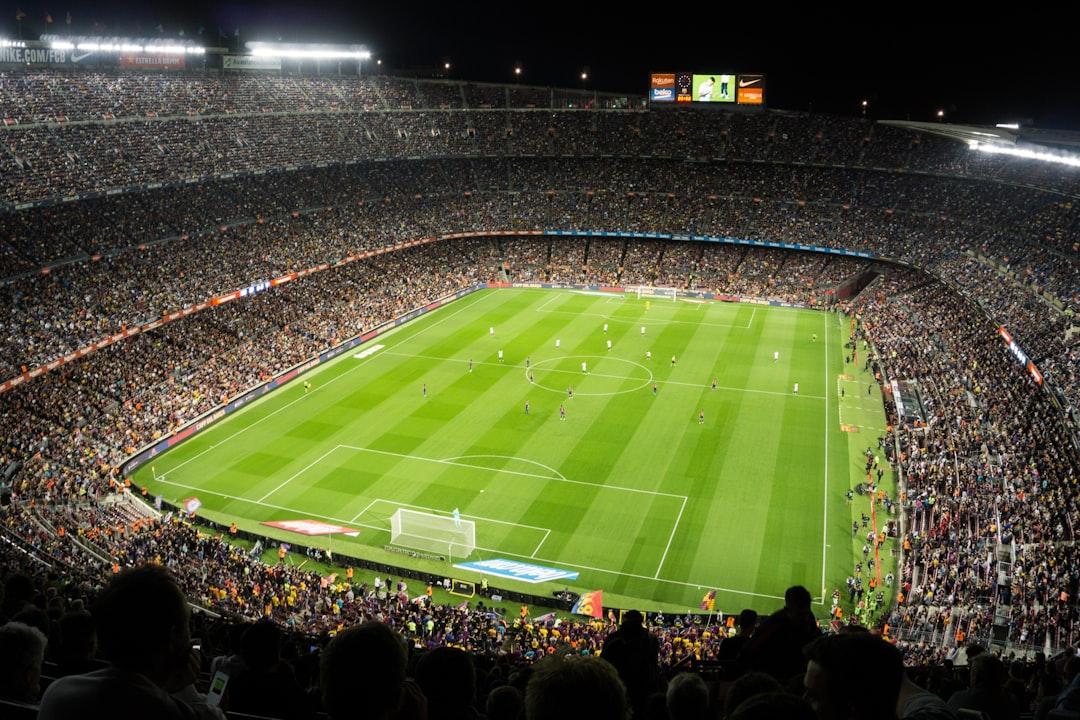
The atmosphere at Seattle Stadium on Monday evening was nothing short of electric. For years, the 2026 FIFA World Cup had been circled on the calendars of American soccer fans as the definitive moment for the sport’s ascent in the United States. However, as the final whistle blew on a lopsided 4-1 victory for Belgium, the deafening cheers of a capacity crowd were replaced by a somber realization: while the infrastructure and the audience for soccer have arrived in America, the technical parity with Europe’s elite remains a work in progress.
The Round of 16 match was billed as a legacy-defining moment for the U.S. Men’s National Team (USMNT). Playing on home soil, with a roster deeper and more talented than any in the nation’s history, the expectations were not just to compete, but to dominate. Instead, Belgium’s clinical efficiency turned a night of celebration into a masterclass in tournament football, exposing the defensive frailties and tactical inconsistencies that have haunted the U.S. program throughout this cycle.
Belgium entered the match with a clear blueprint: absorb pressure and strike with lethal precision on the counter-attack. Despite the U.S. holding significant possession in the opening twenty minutes, they struggled to penetrate a disciplined Belgian low block. When the breakthrough came for Belgium, it was a result of a rapid transition that caught the U.S. backline out of position—a recurring theme throughout the evening.
- Midfield Dominance: Belgium’s ability to bypass the U.S. press allowed them to dictate the tempo of the game. The U.S. midfield, often praised for its athleticism, found itself chasing shadows as Belgium utilized quick, one-touch passing to exploit the half-spaces.
- Clinical Finishing: While the U.S. created several high-quality chances, their lack of a definitive 'number nine' was glaring. In contrast, Belgium converted nearly every significant opportunity, turning a competitive first half into a runaway lead by the 70th minute.
- Defensive Lapses: Three of the four goals conceded were the result of individual errors or failure to track runners into the box. At the highest level of international football, these mistakes are punished instantly.
From a commercial and media perspective, the match was an unqualified triumph. Early data suggests the broadcast delivered NFL-level ratings, potentially shattering previous records for a soccer match in the United States. This surge in viewership underscores the massive appetite for the sport and the success of FIFA’s expansion strategy in North America. FOX and Telemundo are expected to report numbers that rival the Super Bowl in key demographics.
However, this commercial success creates a paradox for U.S. Soccer. The financial windfall and cultural relevance of the 2026 tournament provide the resources for growth, but the early exit limits the "halo effect" that a deeper run would have generated. For casual fans who tuned in expecting a historic victory, the 4-1 scoreline may reinforce old narratives about the U.S. being a second-tier soccer nation. The challenge for the federation now is to bridge the gap between the sport’s commercial popularity and its on-field performance.
The elimination of the host nation in the Round of 16 is a blow not just to the fans, but to the broader economic ecosystem surrounding the tournament. Host cities like Seattle, Atlanta, and New York were banking on a deep U.S. run to sustain local tourism and hospitality surges. While the tournament will continue to draw massive crowds for other marquee matchups, the "home team" fervor is a unique driver of secondary market ticket prices and local merchandise sales.
Furthermore, the early exit places immense pressure on the next four-year cycle. The U.S. will not have the benefit of automatic qualification or home-field advantage for the 2030 World Cup. The development of the current squad—many of whom are in their prime—must now be scrutinized to ensure that the lessons of Seattle are not forgotten.
As the dust settles on the 2026 campaign, the post-mortem will undoubtedly focus on the leadership of the USMNT. Questions regarding tactical flexibility and player selection will dominate the headlines. The "Golden Generation" labels must be retired in favor of a more critical assessment of how the U.S. develops talent that can compete with the tactical sophistication of UEFA and CONMEBOL giants.
Key areas of focus for the next cycle include:
- Strengthening the Domestic Pipeline: While many U.S. stars play in Europe’s top leagues, the depth of the squad relies on the continued evolution of MLS and youth academies.
- Tactical Identity: The U.S. must move beyond being an "athletic" team to one that can control games through technical superiority and positional discipline.
- High-Stakes Experience: Without the pressure of qualifying for 2026, the U.S. missed out on competitive matches. Finding ways to integrate into high-level tournaments like the Copa América will be vital for 2030 preparation.
In conclusion, the 4-1 loss to Belgium is a bitter pill to swallow, especially given the backdrop of a home World Cup. Yet, it serves as a necessary reality check. The U.S. has the fans, the facilities, and the funding. Now, it must find the footballing soul required to truly compete on the world’s biggest stage.
Enjoying this article?
Get the daily AI briefing sent straight to your inbox.
Frequently Asked Questions
What was the final score of the USA vs. Belgium match?
Belgium defeated the United States 4-1 in the Round of 16 of the 2026 FIFA World Cup.
Where was the USMNT elimination match held?
The match took place at Seattle Stadium before a capacity crowd.
What does this loss mean for U.S. soccer ratings?
Despite the elimination, the game is expected to deliver record-breaking, NFL-level viewership ratings in the United States.
Comments
0Please sign in to leave a comment.
Related articles

Herb Alpert & The Tijuana Brass Make Triumphant Hollywood Bowl Return After 59 Years
Herb Alpert & The Tijuana Brass captivated a sold-out Hollywood Bowl audience, marking their first appearance at the iconic venue in 59 years. The historic concert showcased the band's timeless sound and frontman Herb Alpert's unparalleled showmanship.

The Frozen Muse: Inside Zendaya’s Grueling Debut in Christopher Nolan’s ‘The Odyssey’
Zendaya’s first day on the set of Christopher Nolan’s ‘The Odyssey’ was a trial by ice. We explore the grueling reality of practical filmmaking, Nolan's uncompromising vision, and what this partnership means for the future of the blockbuster.

Robert Pattinson Draws Surprising 'Twilight' Parallel for 'Odyssey' Role
Robert Pattinson, known for his multifaceted career, has drawn a curious parallel between his portrayal of Jacob Black in the 'Twilight' saga and his upcoming antagonist role in a highly anticipated epic film.