- The USMNT was eliminated by Belgium in the Round of 16, ending their 2026 World Cup host run.
- A failed appeal for Folarin Balogun's red card created a significant off-field distraction and left the team without its primary scorer.
- Belgium's tactical superiority and clinical finishing exposed the USMNT's lack of depth and defensive fragility under pressure.
- The exit carries major commercial implications for U.S. soccer and raises questions about the team's progress toward elite status.
The American Dream Deferred: Analyzing the USMNT’s Exit from the 2026 World Cup
How a combination of tactical fragility, off-pitch distractions, and a pivotal red card appeal silenced the host nation’s ambitions in the Round of 16.
Jul 7, 2026·0 views
Key Takeaways
The air in the Pacific Northwest was thick with expectation on Monday evening. For weeks, the United States Men’s National Team (USMNT) had carried the weight of a nation finally ready to embrace soccer as a primary pillar of its sporting identity. However, the dream of a deep run on home soil evaporated into the cool evening air as Belgium secured a clinical victory, sending the co-hosts crashing out in the Round of 16. What was meant to be a coronation of 'the golden generation' instead became a somber reflection on missed opportunities and the harsh reality of elite international football.
The 2026 FIFA World Cup was designed to be the catalyst for a permanent shift in the American sporting landscape. While the group stages provided moments of genuine brilliance, the knockout stage revealed a team that was, in the words of many analysts, 'ragged.' The defeat to Belgium was not merely a loss on the scoreboard; it was a tactical and psychological collapse that will be dissected for years to come.
Perhaps the most significant subplot of the tournament was the controversy surrounding Folarin Balogun. The star striker’s red card in the final group stage match became a lightning rod for national debate. The U.S. Soccer Federation’s aggressive, and ultimately unsuccessful, push to have the card overturned by FIFA created a media circus that permeated the locker room.
Industry experts suggest that the focus on the appeal may have been a strategic error. Instead of preparing for the tactical nuances of a disciplined Belgian defense, the narrative was dominated by questions of fairness and the potential intervention of political figures. When the appeal was officially denied, the psychological blow seemed to resonate through the starting XI. Without Balogun’s clinical finishing and ability to stretch the backline, the U.S. attack looked toothless and predictable.
- Lack of Depth: The absence of a secondary scoring threat capable of filling Balogun’s shoes highlighted a critical gap in the U.S. roster construction.
- Resource Allocation: Significant emotional and administrative energy was spent on a legal battle that historically rarely favors the appellant in FIFA tournaments.
- Tactical Rigidity: The coaching staff struggled to pivot to a system that didn't rely on Balogun’s specific movement patterns.
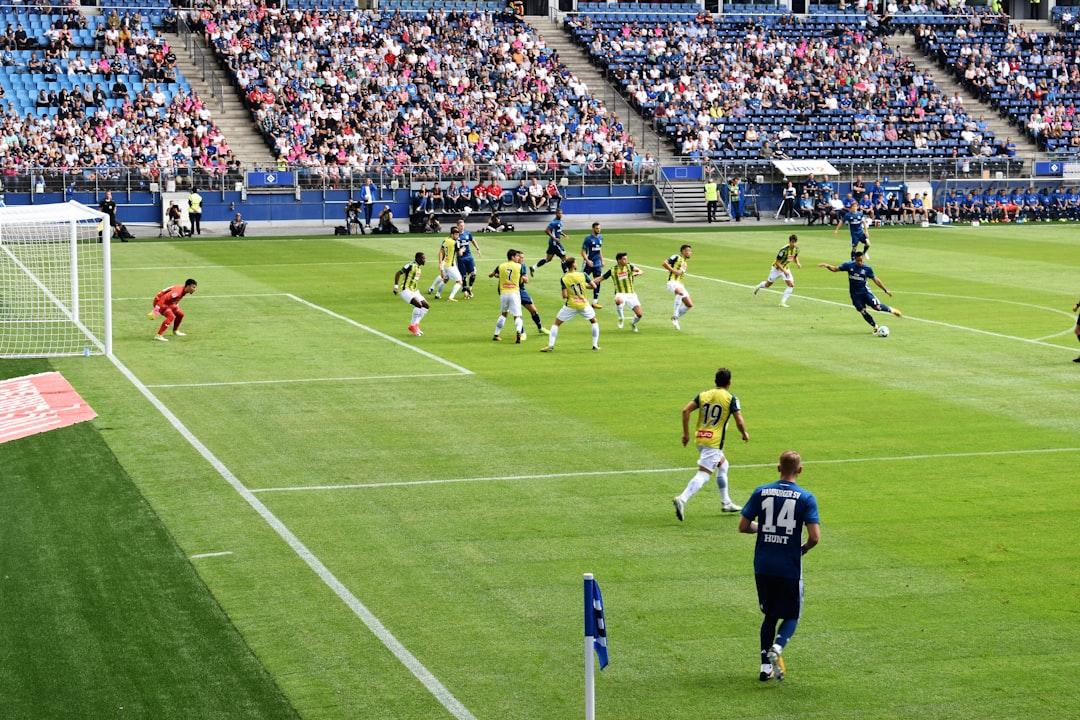
On the pitch, Belgium provided a masterclass in knockout-stage composure. While the U.S. played with a frantic energy fueled by a partisan crowd, the Belgian side remained patient, exploiting the spaces left by an over-eager American midfield. The technical gulf was evident in the transition phases, where Belgium’s veterans orchestrated play with a precision the Americans could not match.
The match took on an even more surreal tone during the celebrations. Belgian players were seen performing a mockery of Donald Trump’s signature dance—a gesture that had recently become a talking point in the U.S. media. This moment served as a jarring reminder of how the World Cup often transcends sport, becoming a canvas for global political and cultural commentary. For the U.S. players, it was a stinging rebuke on their own turf, adding a layer of humiliation to the professional disappointment of elimination.
From an industry perspective, the premature exit of the host nation carries significant implications. FIFA and local organizers had banked on a long U.S. run to maximize domestic television ratings and merchandise sales through the quarter-finals and beyond. While the tournament remains a commercial success, the 'host bounce' typically sees a sharp decline once the home team is eliminated.
For Major League Soccer (MLS) and the broader American soccer ecosystem, this exit is a double-edged sword. On one hand, the tournament has successfully captured the attention of casual fans. On the other, the failure to penetrate the later stages of the tournament may reinforce the skeptical view that the U.S. is still a 'tier-two' footballing nation. The growth of the sport in the U.S. is no longer about participation numbers—which are at an all-time high—but about the ability to produce world-class results under maximum pressure.
As the dust settles on the 2026 campaign, the USMNT finds itself at a crossroads. The 'golden generation' is no longer a group of prospects; they are established professionals playing in Europe’s top leagues. The excuse of youth and inexperience no longer holds water.
To move forward, the federation must address the tactical inflexibility shown in the Round of 16. There is a pressing need for a more robust developmental path for traditional 'number nines' to ensure that a single suspension or injury doesn't derail an entire tournament. Furthermore, the handling of off-field distractions must be professionalized. In the high-stakes environment of a World Cup, the focus must remain internal.
The 2026 World Cup will continue, and it will undoubtedly be a spectacle of the highest order. But for the United States, the party ended early. The journey from a 'soccer nation' to a 'footballing powerhouse' remains incomplete, leaving fans to wonder what might have been if the focus had remained on the pitch rather than the courtroom.
Enjoying this article?
Get the daily AI briefing sent straight to your inbox.
Frequently Asked Questions
Why was Folarin Balogun unable to play against Belgium?
Balogun was suspended following a red card in the final group stage match. Despite a high-profile appeal by U.S. Soccer to FIFA, the suspension was upheld, forcing the striker to miss the Round of 16.
What was the significance of the Belgian players' celebration?
Belgian players performed a dance mocking Donald Trump, reflecting the political undertones that had entered the pre-match narrative and highlighting the cultural friction surrounding the host nation.
What does this loss mean for the future of soccer in the U.S.?
While the sport continues to grow, the exit highlights a need for better squad depth and tactical maturity. It may also lead to a re-evaluation of the coaching staff and developmental focus for the 2030 cycle.
Comments
0Please sign in to leave a comment.
Related articles
Belgium Defeats USA 4-1 Amidst Global Outcry Over Balogun Red-Card Ruling
Belgium secured a decisive 4-1 victory against the United States, but the game was marred by the lingering controversy surrounding FIFA's decision to rescind Folarin Balogun's red card.
Belgium’s Viral World Cup Dig at USA Sparks Global Social Media Firestorm
Belgium's dominant 4-1 victory over the USA in the World Cup was overshadowed by a provocative social media post that sparked intense debate across the digital landscape.
Rodri Leads Spain to Dramatic World Cup Quarter-Final Berth
Manchester City star Rodri helped Spain secure a last-minute victory over Portugal, punching their ticket to the FIFA World Cup quarter-finals.