- The USMNT exited the 2026 World Cup in the Round of 16 following a 2-1 loss to Belgium, reinforcing a historical 'glass ceiling' for the program.
- Tactical analysis reveals a lack of clinical finishing and vulnerabilities in defensive transition as the primary causes for the defeat.
- Despite hosting the tournament, the U.S. struggled to bridge the technical gap against a Tier-1 European opponent.
- Future success depends on developing elite individual 'game-breakers' and shifting youth development toward technical creativity.
Shattered Ambitions: Analyzing the USMNT’s 2026 World Cup Exit and the Persistent Glass Ceiling
As the host nation bows out in the Round of 16, we examine the tactical failures, player performances, and the systemic hurdles facing American soccer.
Jul 7, 2026·0 views
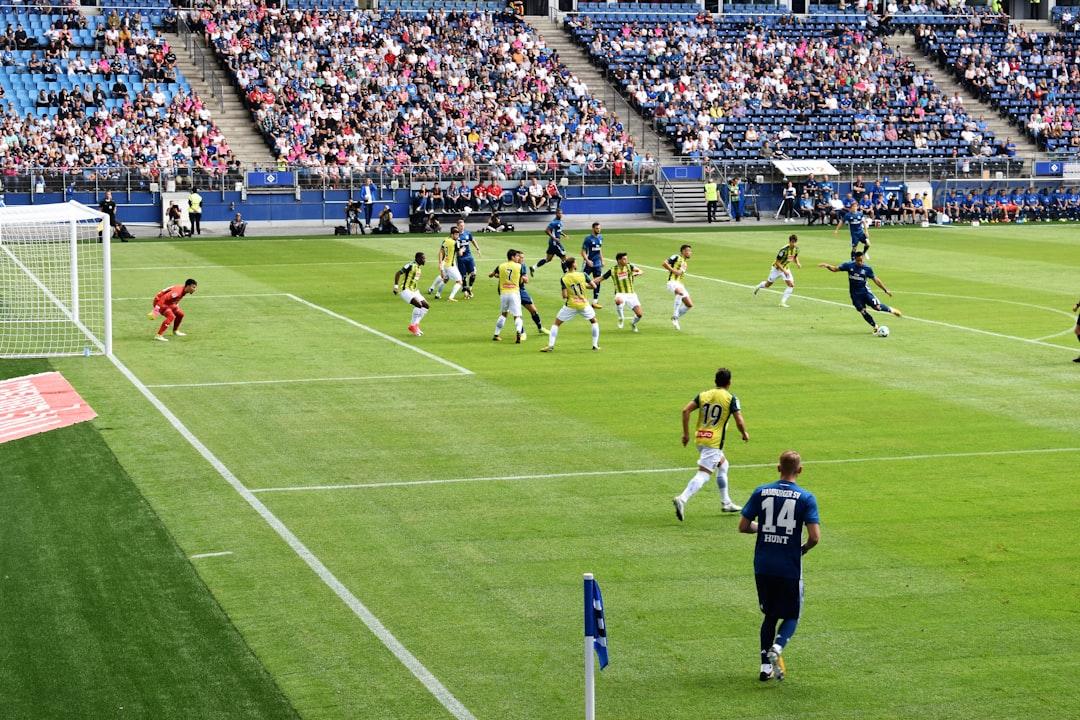
Key Takeaways
For the United States Men’s National Team (USMNT), the 2026 FIFA World Cup was supposed to be the definitive turning point—the moment where potential finally met pedigree on the world’s grandest stage. Instead, Monday night in front of a partisan home crowd felt like a hauntingly familiar reruns of past failures. The 2-1 defeat to Belgium in the Round of 16 didn't just end a tournament; it shattered the illusion that hosting the event and boasting a squad of European-based stars would automatically shatter the 'glass ceiling' that has confined American soccer for decades.
While the atmosphere across North American stadiums has been electric, the technical reality on the pitch told a different story. Against a disciplined, clinical Belgian side, the U.S. looked like a team caught between two identities: a high-pressing modern outfit and a side still lacking the elite finishing required to navigate the knockout stages of a World Cup.
The primary issue throughout the 120 minutes of play was a lack of clinical execution in the final third. Despite maintaining 54% possession and recording more progressive carries than their opponents, the USMNT struggled to turn territorial dominance into high-quality chances. Belgium, led by a resurgent midfield, exploited the spaces left behind by the American fullbacks, who were encouraged to push high to support the attack.
Tactically, the U.S. coaching staff opted for a 4-3-3 formation designed to overwhelm the Belgian aging defensive line with speed. However, the lack of a true 'Number 9'—a recurring theme for this cycle—meant that crosses from Antonee Robinson and Sergino Dest often found no one in the box. Belgium’s transition play was surgical, catching the U.S. midfield in transition and forcing the center-backs into desperate, last-ditch recovery challenges.
To understand where it all went wrong, one must look at the individual performances that defined the night. While effort was never in question, the technical gap in high-pressure moments remains evident.
- Christian Pulisic (6/10): The 'Captain America' figurehead showed flashes of brilliance, but he was often isolated on the left wing. His inability to find the decisive final pass or shot in the 88th minute will haunt the highlight reels for years.
- Tyler Adams (7/10): The heartbeat of the midfield worked tirelessly to break up Belgian play. However, his distribution under pressure lacked the verticality needed to catch the Belgian defense off-guard.
- Matt Turner (8/10): If not for Turner’s heroics between the posts, the scoreline could have been much worse. His performance kept the U.S. in the game long after the tactical structure had begun to fray.
- Folarin Balogun (5/10): Tasked with being the clinical edge, Balogun struggled to get involved in the build-up play and was ultimately subbed off after failing to register a shot on target.
This exit marks the fourth time in the last five World Cup appearances that the USMNT has been eliminated in the Round of 16. This consistency suggests that the issue isn't merely a 'bad night' or a 'tough draw,' but a systemic plateau. Despite the massive growth of MLS and the increasing number of Americans playing in the Premier League, Bundesliga, and Serie A, the U.S. still lacks the 'game-breaker'—the world-class talent capable of deciding a match against a Top 10 FIFA-ranked opponent through sheer individual quality.
Furthermore, the pressure of being the host nation appeared to weigh heavily on the younger members of the squad. The expectation to not just compete, but to reach a semi-final, created a frantic energy that led to unforced errors in the defensive third. For US Soccer, the post-mortem of 2026 must focus on why the development pipeline is producing excellent 'role players' but few 'superstars.'
The commercial fallout of an early exit for the host nation cannot be understated. While the 2026 World Cup has already succeeded in terms of infrastructure and ticket sales, the 'soccer boom' in the U.S. relies heavily on the national team’s success to capture the casual sports fan's long-term interest.
Looking ahead to the 2030 cycle, the USMNT faces a crossroads. Many of the current 'Golden Generation' will be in their prime (late 20s), but the coaching philosophy and the integration of dual-nationals will need a significant overhaul. There is an immediate need to invest in youth scouting that prioritizes technical creativity over raw athleticism—a shift that European and South American giants made decades ago.
The 2026 World Cup was billed as the 'Summer of Soccer' in America. While the tournament continues with global powerhouses, the departure of the USMNT leaves a void of 'what ifs.' The talent is there, the investment is there, and the fan base is certainly there. What remains missing is the tactical maturity to survive the ruthless nature of knockout football. Until the U.S. can produce or recruit a world-class finisher and a tactical setup that doesn't rely on frantic energy, the Round of 16 will continue to be the ceiling of their ambitions.
Enjoying this article?
Get the daily AI briefing sent straight to your inbox.
Frequently Asked Questions
Who did the USMNT lose to in the 2026 World Cup?
The USMNT was eliminated by Belgium in the Round of 16 with a final score of 2-1.
Why is the Round of 16 considered a 'glass ceiling' for the U.S.?
The U.S. has been eliminated in the Round of 16 in four of its last five World Cup appearances (2010, 2014, 2022, and 2026), suggesting a persistent inability to progress into the quarter-finals.
What were the key player ratings for the USA vs Belgium match?
Matt Turner was a standout with an 8/10, while Christian Pulisic received a 6/10 and Folarin Balogun a 5/10 due to limited impact in the final third.
Comments
0Please sign in to leave a comment.
Related articles
Belgium Defeats USA 4-1 Amidst Global Outcry Over Balogun Red-Card Ruling
Belgium secured a decisive 4-1 victory against the United States, but the game was marred by the lingering controversy surrounding FIFA's decision to rescind Folarin Balogun's red card.
Belgium’s Viral World Cup Dig at USA Sparks Global Social Media Firestorm
Belgium's dominant 4-1 victory over the USA in the World Cup was overshadowed by a provocative social media post that sparked intense debate across the digital landscape.
Rodri Leads Spain to Dramatic World Cup Quarter-Final Berth
Manchester City star Rodri helped Spain secure a last-minute victory over Portugal, punching their ticket to the FIFA World Cup quarter-finals.