- Fans are prioritizing a clear tactical identity and high-pressing styles in the new season.
- The desire for trophies remains the primary goal, especially for elite clubs like Liverpool.
- Supporters are increasingly sophisticated, valuing the 'how' of a victory as much as the result itself.
- Nostalgic memories of European success continue to fuel modern expectations for silverware.
The Return of Club Football: Fans Demand Identity and Trophies
As the international break concludes, supporters across the globe weigh in on the tactical evolution and championship ambitions defining the new season.
Jul 17, 2026·0 views
Key Takeaways
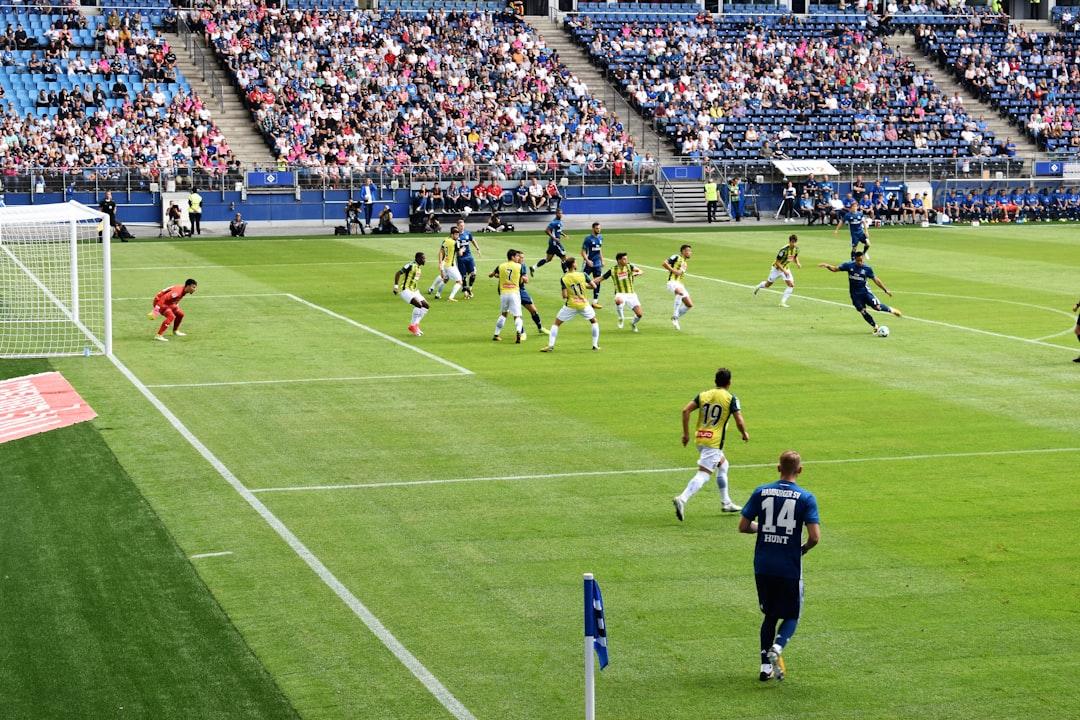
The international break often serves as a brief pause in the relentless rhythm of the football calendar, but for fans, the return to domestic league action is where the true heart of the sport beats. As stadiums prepare to welcome back their faithful, the discourse among supporters has shifted from international duty to the specific tactical identities of their club teams. Whether it is the high-stakes pressure of the Premier League or the strategic chess matches of European competitions, the anticipation is palpable.
For many, the return of club football is not just about the points on the table; it is about the philosophy. The modern supporter is increasingly sophisticated, analyzing not just the scoreline but the methodology behind it. As one fan noted, the focus is shifting toward how teams implement their systems—specifically, the intelligent pressing and attack-minded football that has become the hallmark of modern tacticians like Andoni Iraola.
Modern football is currently undergoing a renaissance of tactical identity. It is no longer enough for a club to simply grind out a victory; fans are demanding a coherent style of play that reflects the club's values and ambitions.
- Intelligent Pressing: Teams are increasingly judged by their ability to disrupt opponents high up the pitch, creating transitions that lead to high-quality scoring opportunities.
- Identity Over Results: A growing segment of the fanbase argues that a distinct, recognizable style of play is more sustainable than relying on individual brilliance to salvage poor tactical setups.
- Youth Integration: The integration of academy prospects into these specific systems is seen as a badge of honor for clubs looking to build long-term success.
This shift in perspective highlights a deeper engagement with the sport. Supporters are looking for a 'brand' of football that they can identify with, even in defeat. If a team plays with conviction, intensity, and a clear plan, the sting of a loss is often softened, provided the tactical integrity remains intact.
While identity is crucial, the ultimate currency of club football remains silverware. For giants like Liverpool, the hunger for success is insatiable. The conversation among the fanbase is often a mix of nostalgic reverence for the past and an aggressive pursuit of future dominance.
Recalling iconic moments—such as the 1977 victory over Borussia Monchengladbach—serves as a reminder that the emotional connection to a club is forged in the fires of big European nights. For contemporary fans, the dream remains the same: a domestic league title paired with the prestige of the UEFA Champions League. This 'greedy' ambition, as some supporters jokingly call it, is what drives the industry forward, pushing clubs to invest in better infrastructure, scouting, and coaching staff.
Why do we care so much about these tactical nuances? It comes down to the narrative arc of a season. A team’s tactical identity acts as the protagonist's journey. When a manager like Iraola implements a system that requires bravery and high-energy output, the fans feel like active participants in that struggle.
As we look toward the remainder of the season, the divide between 'result-focused' and 'identity-focused' fans will continue to blur. The most successful teams in 2024 and beyond will likely be those that manage to marry the two: the tactical rigor that satisfies the purists and the trophy-winning efficiency that satisfies the history books.
Ultimately, the excitement for the return of club football stems from the unpredictability of these narratives. Whether it is a tactical masterclass in a mid-table clash or a historic night under the lights in the Champions League, fans are ready to see if their clubs can deliver on their promises of identity and excellence.
Enjoying this article?
Get the daily AI briefing sent straight to your inbox.
Frequently Asked Questions
Why is tactical identity important to football fans?
Tactical identity provides a consistent, recognizable style of play that allows fans to feel connected to the team's philosophy, making the experience of watching matches more rewarding regardless of the final score.
What are fans looking for in the return of the football season?
Fans are looking for a combination of high-intensity, intelligent football and the pursuit of major domestic and European trophies.
Comments
0Please sign in to leave a comment.
Related articles
Barcelona's Marc-André ter Stegen Returns to Training Amid Stalled Ajax Loan
Barcelona veteran Marc-André ter Stegen has resumed pre-season training, signaling a temporary pause in his expected transfer to AFC Ajax.
Liverpool FC Identifies Top Midfield Target as Transfer Window Heats Up
Liverpool FC has officially identified its priority midfield target, moving past rumors to focus on a strategic addition to their engine room.
The Transfer Window Closes: Why Fans Are Ready for Football to Return
With the transfer window finally drawing to a close, football fans are shifting their focus from rumors to the pitch as the new season approaches.