- The 2022 final in Qatar is now widely considered the greatest due to its dramatic narrative and the Messi-Mbappé rivalry.
- The 1970 final remains the benchmark for tactical beauty and the beginning of football's global television era.
- Technological and equipment innovations, such as screw-in studs in 1954, have historically decided World Cup outcomes.
- The upcoming 2026 World Cup will leverage AI and 5G technology to create a new standard for sports entertainment.
Echoes of Greatness: A Definitive Ranking of the Most Iconic FIFA World Cup Finals
Analyzing the tactical shifts, cultural impact, and legendary performances that turned football matches into global folklore.
Jul 17, 2026·0 views
Key Takeaways
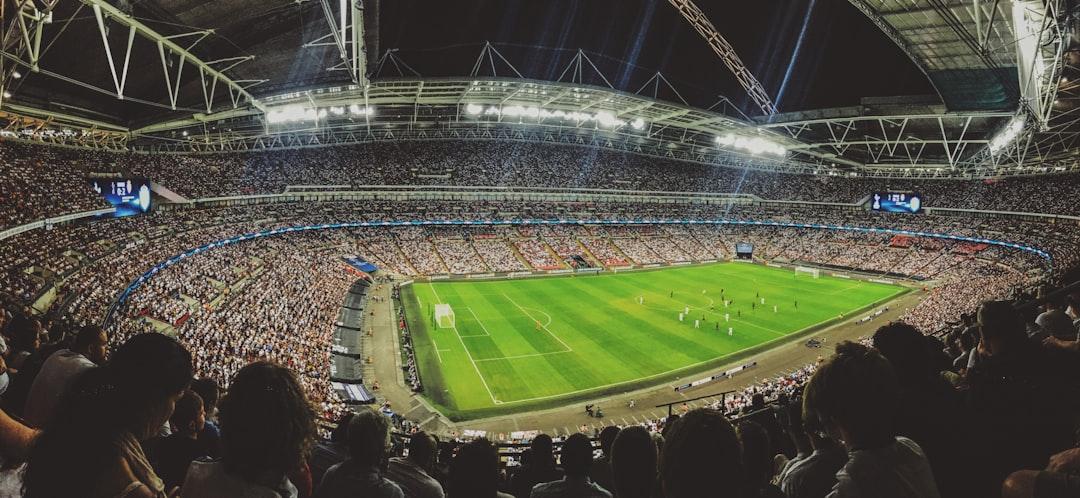
In the world of global sports, the FIFA World Cup final stands as the ultimate theater. It is a four-year culmination of geopolitical tension, individual brilliance, and national identity. For Imai News, analyzing these historical peaks is not just an exercise in nostalgia; it is a study of how the beautiful game has evolved from a radio-broadcasted curiosity into a multi-billion dollar digital spectacle. As we approach the expanded format of the 2026 World Cup across North America, the benchmarks for greatness remain set by a handful of matches that transcended the pitch.
To rank a World Cup final, one must look beyond the scoreline. We must consider the narrative stakes, the tactical innovations, and the enduring cultural footprint. From the sun-drenched Azteca to the high-tech hubs of Qatar, here are the finals that redefined football.
For decades, the 1970 final was the undisputed king, but the 2022 showdown in Lusail may have finally seized the crown. This was not just a match; it was a cinematic epic. The narrative of Lionel Messi, arguably the greatest to ever play, seeking his final piece of silverware against the heir apparent, Kylian Mbappé, provided a script that no Hollywood writer could replicate.
- The Tactical Pendulum: Argentina’s initial dominance was a masterclass in mid-block pressing, neutralizing France for 80 minutes. However, the sudden explosion of Mbappé—scoring twice in 97 seconds—demonstrated the modern game's volatility.
- Commercial Impact: This final saw record-breaking digital engagement, proving that the "superstar vs. superstar" marketing model is the future of sports broadcasting.
- The Legacy: It solidified Messi’s GOAT (Greatest of All Time) status while establishing Mbappé as a global brand, setting the stage for the 2026 marketing blitz.
If 2022 was about high-stakes drama, 1970 was about aesthetic perfection. This was the first World Cup broadcast in color to a global audience, and Brazil’s 4-1 dismantling of Italy’s Catenaccio system was the perfect advertisement for the sport.
Pelé’s header and Carlos Alberto’s iconic team goal are etched into the collective memory of football. Tactically, Mario Zagallo’s Brazil utilized a fluid 4-3-3 that morphed into a 4-5-1, showcasing a level of positional interchange that was decades ahead of its time. For the industry, the 1970 final transformed football into a visual art form, paving the way for the massive television rights deals we see today.
For the host nation, 1966 remains the high-water mark of English culture. Geoff Hurst’s hat-trick—the only one in a final until 2022—and the controversy surrounding the "ghost goal" that hit the crossbar have fueled decades of debate.
From an analytical perspective, 1966 was a turning point for sports technology and officiating. The debate over whether the ball crossed the line eventually led to the modern Goal-Line Technology (GLT) and VAR systems. It also showcased the "wingless wonders" of Alf Ramsey, a tactical shift away from traditional wide players that influenced European coaching for a generation.
The 1954 final is perhaps the greatest upset in sporting history. Hungary’s "Magical Magyars," led by Ferenc Puskás, were unbeaten in 31 matches and had already thrashed West Germany 8-3 in the group stage.
- The Narrative: West Germany’s 3-2 victory was more than a trophy win; it was a symbol of national reconstruction in the post-war era.
- Innovation: This match highlighted the importance of equipment; the Germans wore innovative Adi Dassler (Adidas) boots with screw-in studs, allowing them to maintain traction on the rain-soaked pitch while the Hungarians slipped. This was the dawn of the sports apparel industry's influence on performance.
The 1998 final represented the intersection of sports and social sociology. France, playing at home, fielded a "Black, Blanc, Beur" (Black, White, North African) team that symbolized a new, multicultural Republic.
Zinedine Zidane’s two headers against a heavily favored Brazil side—distracted by the health mystery surrounding Ronaldo—marked a shift in the global hierarchy. It signaled the end of Brazil’s psychological dominance and the rise of a tactically disciplined, physically dominant European era. For FIFA, the 1998 tournament was a commercial goldmine, expanding the tournament to 32 teams and setting the blueprint for the massive fan-zone festivals we see today.
As we look toward the 2026 World Cup in the United States, Mexico, and Canada, the industry is bracing for a tournament of unprecedented scale. With 48 teams and a final set for the MetLife Stadium in New Jersey, the potential for a new "greatest final" is high.
The integration of AI-driven analytics, immersive 5G broadcasting, and a massive North American commercial market suggests that the next iconic final will be as much about the technology surrounding the game as the players on the field. Will we see another Messi-esque coronation, or will a new underdog rise to create another "Miracle"? History suggests that when the world is watching, the beautiful game always finds a way to surprise us.
Enjoying this article?
Get the daily AI briefing sent straight to your inbox.
Frequently Asked Questions
Which World Cup final is considered the best of all time?
While subjective, the 2022 final between Argentina and France is frequently cited as the best due to its high scoring, dramatic momentum shifts, and the legendary performances of Messi and Mbappé.
How did the 1970 World Cup final change football?
The 1970 final was the first broadcast in color globally, showcasing Brazil's 'Beautiful Game' to a massive audience and transforming football into a premier commercial and televised product.
What is the significance of the 1966 World Cup final?
Beyond being England's only win, the 1966 final is famous for its controversial 'ghost goal,' which eventually spurred the development of Goal-Line Technology and VAR.
Comments
0Please sign in to leave a comment.
Related articles
Manchester United’s Left-Back Revolution: Why Carlos Augusto and Oliver Scarles Define the Amorim Era
Manchester United's recruitment strategy is shifting under Ruben Amorim. With a focus on Inter Milan's Carlos Augusto and West Ham's Oliver Scarles, the Red Devils are prioritizing tactical flexibility to fix their chronic left-back crisis.
The Bittersweet Bronze: France and England Face Off in the World Cup’s Most Prestigious Consolation
While the world prepares for the final, France and England meet in a third-place playoff that carries the weight of a championship. We analyze the tactical nuances, the end of legendary careers, and the future of these two footballing superpowers.
Paulo Fonseca Criticizes Milan Leadership Over Lack of Support
Paulo Fonseca speaks out on his tumultuous tenure at AC Milan, highlighting a disparity in support compared to other managerial candidates.