- Jude Bellingham's individual brilliance saved England in a grueling quarter-final against Norway in Miami.
- Norway's collective tactical discipline outperformed England's disjointed system for much of the match.
- The extreme Florida heat acted as a significant barrier to high-quality play, exposing England's physical vulnerabilities.
- England faces a 'talisman paradox' where over-reliance on Bellingham may hinder their chances in the semi-finals.
The Bellingham Paradox: Can England Survive the 2026 World Cup on Individual Brilliance Alone?
As England scrapes past a disciplined Norway in the Miami heat, the reliance on Jude Bellingham reveals a tactical void that could prove fatal in the semi-finals.
Jul 12, 2026·0 views
Key Takeaways
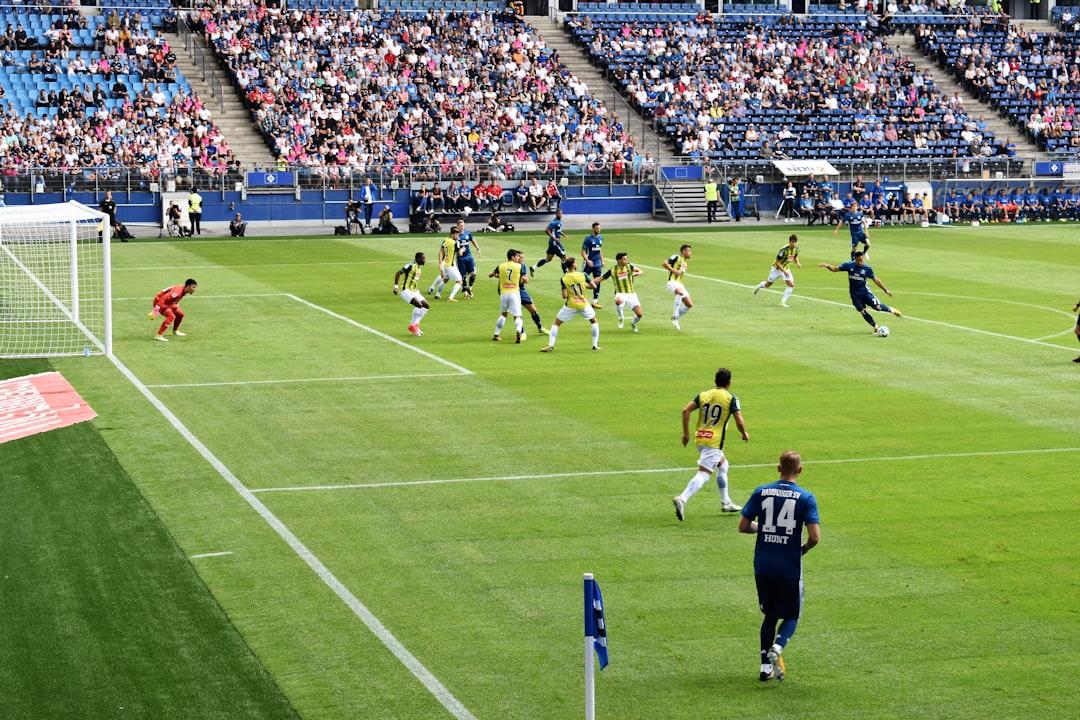
The 2026 FIFA World Cup was always destined to be a tournament of extremes, but few anticipated the physical and tactical toll the Florida climate would take on Europe’s elite. In the quarter-final clash at Miami Gardens, the atmosphere was less of a sporting arena and more of a pressurized chamber. The air, thick with a humidity that felt like a physical weight, became a central protagonist in a match that saw England narrowly edge out a resilient Norway side.
While the scoreline suggests a hard-fought victory, the narrative of the match was dominated by a singular figure: Jude Bellingham. For 90 minutes, it felt as though two separate games were being played simultaneously. There was the collective struggle of an England team gasping for rhythm in the oppressive heat, and then there was the 'Parallel World Cup' being conducted by Bellingham—a display of individual mastery that seemed to exist outside the physical constraints affecting his teammates.
Bellingham’s performance in Miami was nothing short of talismanic. In a system that often looked disjointed and reactive, the Real Madrid midfielder operated as a one-man engine room, a creative hub, and a defensive shield. However, this reliance on individual brilliance raises significant questions for the England coaching staff. When a team’s tactical plan becomes 'give the ball to Jude,' the systemic vulnerabilities are laid bare.
Norway, playing in their first World Cup quarter-final in decades, provided the perfect foil to England’s star-power approach. They played with a collective intelligence and heart that, by most analytical metrics, made them the superior unit for large stretches of the game. Led by the tactical discipline of their midfield and the looming threat of their forward line, Norway exploited the spaces that England’s fatigued transitions left behind. That England progressed is a testament to Bellingham’s ability to conjure moments of magic out of thin air, but relying on such miracles is a precarious strategy for a team with title ambitions.
Norway’s performance was a masterclass in modern international football. They didn't just survive the heat; they manipulated the tempo to suit their physical output. Their ability to maintain possession and move the ball with patience forced England into a defensive shell that looked increasingly fragile as the temperature rose.
For Norway, this tournament marks the arrival of a new golden generation. It wasn't just about the star power of Martin Ødegaard or Erling Haaland; it was about a cohesive structure that allowed every player to thrive. They played with a sense of purpose that England lacked. While England’s stars often looked like eleven individuals trying to solve a puzzle, Norway looked like a team that had already memorized the image on the box. This disparity in collective identity is what nearly caused the upset of the tournament.
The July heat in Florida cannot be overstated as a tactical variable. It congeals around the players, slowing down cognitive processing and physical explosiveness. England seemed uniquely vulnerable to these conditions, appearing sluggish and heavy-legged compared to a Norway side that seemed to have better acclimatized to the 'invisible white sauce' of the Miami humidity.
This raises broader questions about the scheduling and location of high-stakes matches in the expanded 48-team format. When the environment becomes a primary opponent, the quality of football inevitably suffers. England’s inability to keep the ball and dictate play was exacerbated by the weather, leading to a frantic, survivalist style of play that is unsustainable against the world’s top-tier nations. To win a World Cup, a team must be able to control the game, not just survive it.
From an industry perspective, the 'Bellingham-centric' England team is a double-edged sword. Commercially, having a global icon at the heart of the national team is a boon for sponsors and broadcasters. Bellingham is the face of the 2026 World Cup, a player whose brand transcends the sport. However, the sporting implication is that the pressure on his shoulders is becoming immense.
If England is to progress through the semi-finals and into the final, the coaching staff must find a way to reintegrate the rest of the squad into a functional system. The 'Parallel World Cup' where Bellingham excels while the team falters must converge into a singular, cohesive effort. Individual brilliance can win a quarter-final, but systems win trophies. As the tournament moves into its final stages, the margin for error disappears, and the heat—both literal and metaphorical—will only intensify.
England leaves Miami with a semi-final berth but also with a lengthy list of 'to-dos.' The victory over Norway was a escape act fueled by the genius of one man. To reach the pinnacle of world football, England must evolve beyond the Bellingham Paradox. They must find a way to breathe in the heat, to move as a unit, and to ensure that their talisman is supported by a structure that matches his ambition. If they fail to do so, the dream of 2026 may end just as it did in Miami—clinging to the brilliance of a lone star while the rest of the sky goes dark.
Enjoying this article?
Get the daily AI briefing sent straight to your inbox.
Frequently Asked Questions
How did the Miami weather affect the England vs Norway match?
The extreme humidity and heat in Miami Gardens slowed down the pace of the game, making England look sluggish and affecting the players' physical endurance and tactical execution.
Is England too dependent on Jude Bellingham?
Analysts suggest that while Bellingham's individual skill is world-class, England lacks a cohesive team system, often relying on his personal moments of magic to win matches.
What does this loss mean for Norway's national team?
Despite the loss, the 2026 World Cup marks a major milestone for Norway, showcasing a golden generation capable of competing with the world's best through tactical discipline and collective effort.
Comments
0Please sign in to leave a comment.
Related articles
Julián Álvarez Emerges as Argentina's Hero in World Cup Semifinal Push
In a tactical masterclass where opponents successfully stifled Lionel Messi, Julián Álvarez stepped into the spotlight to secure Argentina's path to the semifinals.
Elite Footballers Face Higher Risks of Brain Decline and Mental Health Struggles
New research highlights the long-term neurological and mental health challenges facing former elite footballers, urging the sport to prioritize player welfare.
Argentina Edges Past Switzerland: Player Ratings from the World Cup 2026
Argentina survived a grueling 120-minute battle against Switzerland to reach the 2026 FIFA World Cup semi-finals. Here is how the squad performed.