- Former elite footballers show evidence of reduced brain volume and cognitive impairment.
- The study links professional football careers to higher rates of anxiety and depression.
- Executive function and decision-making skills are frequently impacted in retired players.
- There is an urgent call for improved safety protocols and long-term medical support for athletes.
Elite Footballers Face Higher Risks of Brain Decline and Mental Health Struggles
A groundbreaking study reveals concerning links between professional football careers, cognitive impairment, and increased rates of depression and anxiety.
Jul 12, 2026·0 views
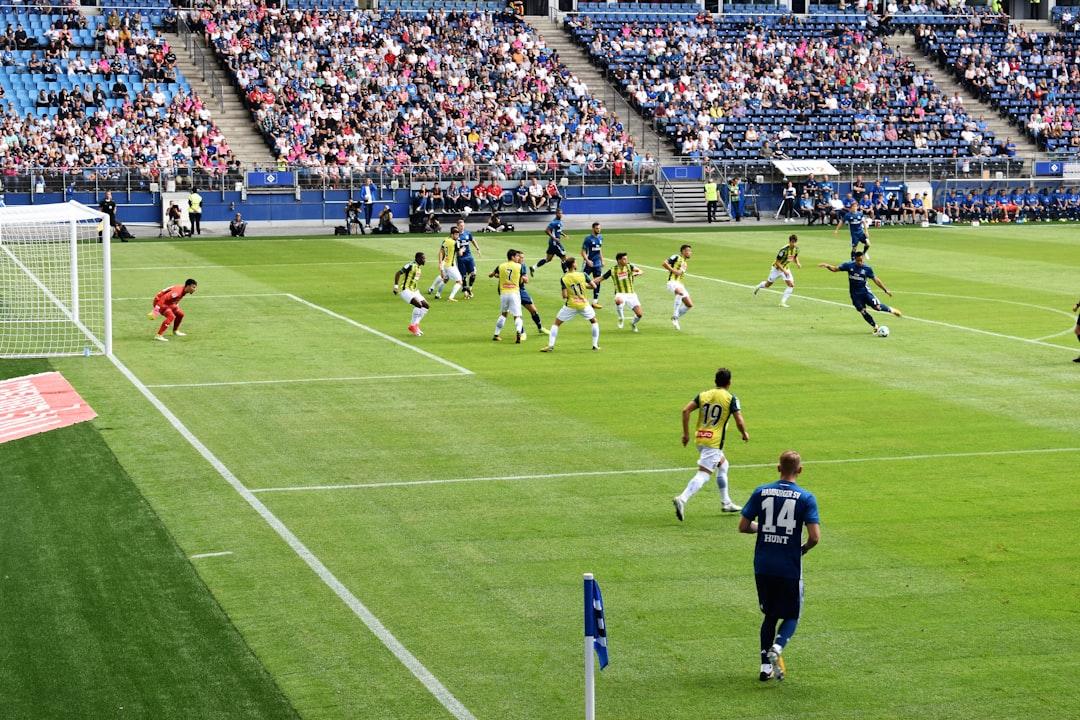
Key Takeaways
For decades, the global football community has celebrated the physical prowess and tactical brilliance of elite athletes. However, a sobering new study has cast a spotlight on the long-term price these players pay for their professional careers. Research published this week indicates that former elite footballers are significantly more likely to suffer from reduced brain volume, cognitive decline, and mental health issues, including depression and anxiety, compared to the general population.
This study adds to a growing body of evidence suggesting that the repetitive nature of heading the ball, combined with the high-impact collisions inherent in the sport, may have profound implications for neurological health later in life. As the conversation around player safety intensifies, these findings provide a critical data point for governing bodies, clubs, and medical professionals to consider when developing future welfare protocols.
The research, which analyzed a cohort of former professional players, identified a clear correlation between a career in elite football and measurable structural changes in the brain. Specifically, players showed evidence of reduced brain volume in areas associated with executive function, memory, and emotional regulation.
These physical changes are not merely academic; they manifest in the daily lives of retired athletes. Participants in the study reported significant difficulties with:
- Executive Functioning: Challenges in planning, organizing, and multitasking.
- Decision-Making: A noticeable decline in the ability to process complex information quickly.
- Memory Retention: Struggles with short-term recall and verbal fluency.
These cognitive deficits often emerge in middle age, creating a "hidden" health crisis for retired players who may struggle to transition into post-career life while managing these neurological shifts.
Beyond the physical structure of the brain, the study highlights a mental health disparity that cannot be ignored. Former footballers reported higher rates of anxiety and depression, suggesting that the intersection of brain trauma and the psychological pressures of retirement may create a "perfect storm" for mental health struggles.
Experts suggest that this is a multi-faceted issue. While the neurological damage caused by repetitive head impacts likely plays a primary role, other contributing factors include:
- The 'Identity Gap': The sudden loss of the adrenaline-filled, high-status life of a professional athlete.
- Chronic Pain: Long-term physical injuries from a career on the pitch can exacerbate feelings of hopelessness.
- Isolation: The loss of the team environment, which serves as a vital social support network for many players.
In response to these findings, there is a renewed call for stricter regulations regarding head contact. While football has already begun to implement changes—such as limiting heading drills in training sessions for younger age groups and professional squads—many advocates argue that these measures do not go far enough.
"The game must evolve to protect the people who make it great," says one leading sports medicine researcher. The focus is shifting toward:
- Improved Monitoring: Implementing mandatory cognitive baseline testing for players throughout their careers.
- Advanced Equipment: Exploring better concussion-prevention technology in protective gear.
- Post-Career Support: Establishing dedicated medical and psychological support networks specifically for retired athletes who may be experiencing early-onset symptoms.
As the sport continues to grow in commercial value, the responsibility to safeguard the long-term health of its participants becomes paramount. The findings from this study serve as a wake-up call for stakeholders at every level, from youth academies to the highest echelons of global football.
While the thrill of the game will always attract millions, the industry must now prove that it can prioritize the neurological longevity of its athletes with the same vigor it applies to the game on the field. Without systemic changes, the sport risks facing a future where its greatest icons are left to grapple with the consequences of their contribution to the game long after the final whistle has blown.
Enjoying this article?
Get the daily AI briefing sent straight to your inbox.
Frequently Asked Questions
What are the primary findings of the new study on footballers?
The study found that former elite footballers are more likely to experience reduced brain volume, cognitive decline, and increased rates of depression and anxiety.
How does football affect brain function in retired players?
Repetitive head impacts and high-collision play are linked to structural brain changes that result in difficulties with memory, decision-making, and executive function.
What is being done to address these health risks?
Governing bodies are being urged to implement stricter training limits on heading, enhanced cognitive monitoring, and more robust mental health support for retired professionals.
Comments
0Please sign in to leave a comment.
Related articles
Jude Bellingham: Chasing World Cup Immortality and the Shadow of Messi
Jude Bellingham is rewriting the record books for England, drawing comparisons to football's greatest icons as anticipation builds for the 2026 World Cup.
Julián Álvarez’s World Cup Screamer: A Pivotal Moment for Argentina
Julián Álvarez reflects on his emotional breakthrough goal that propelled Argentina past their quarterfinal opponents and into the World Cup semifinals.
Copa do Brasil Semifinals: A Historic Clash of Champions and Rivalries
Brazil’s premier cup competition reaches a historic milestone as four former champions prepare for a bitter battle for the trophy.