- Breel Embolo is the first player to be sent off due to a new 'mistaken identity' rule.
- The rule aims to prevent wrong player identification but caused confusion during the match.
- The incident has triggered calls for a review of officiating protocols and communication.
- Tactical implications were significant for the Swiss team following the red card.
Breel Embolo Red Card: A Landmark Moment for Mistaken Identity Rules
Switzerland's star forward becomes the first casualty of a controversial new officiating protocol designed to curb on-field confusion.
Jul 12, 2026·0 views
Key Takeaways
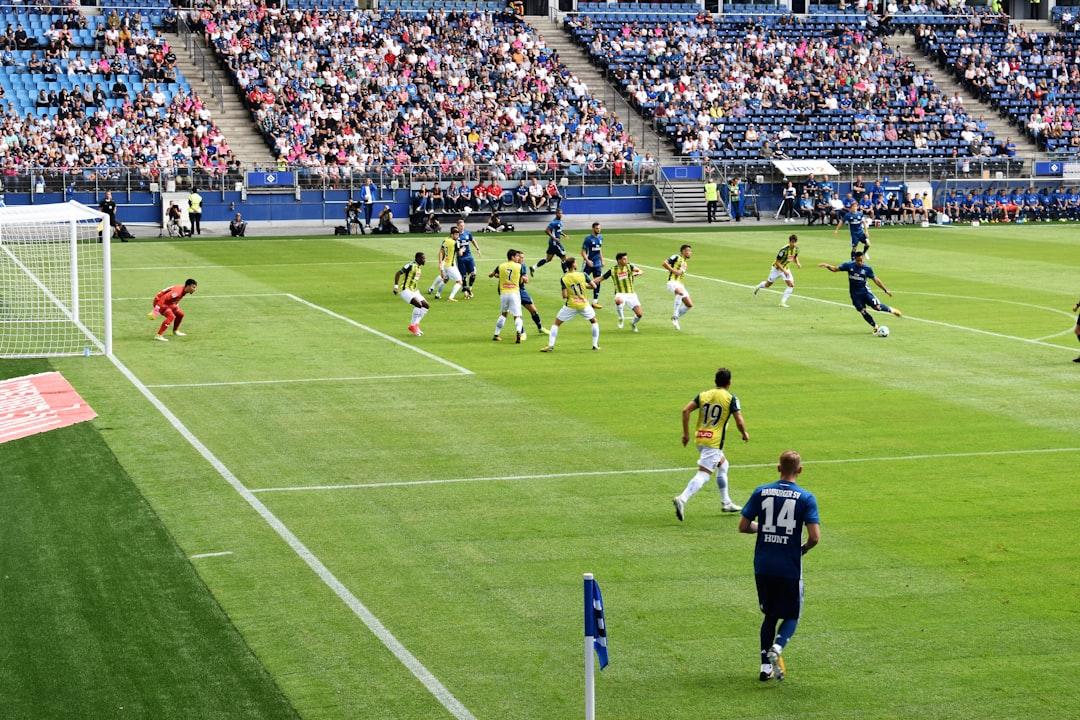
The landscape of professional football officiating shifted dramatically this week as Swiss international Breel Embolo became the first player in history to be dismissed under the newly implemented 'mistaken identity' protocol. This landmark event, occurring during a high-stakes World Cup qualification fixture, has sparked intense debate among fans, pundits, and rules committees regarding the application of technology and human judgment in the modern game.
For decades, football has grappled with the complexities of officiating, particularly when rapid-fire incidents occur in the heat of the penalty area. Traditionally, referees relied on their immediate line of sight and the advice of assistants. However, with the integration of VAR (Video Assistant Referee) and increasingly stringent disciplinary guidelines, the margins for error have narrowed—or, in this case, become more rigid.
The rule in question was introduced to address instances where officials erroneously penalize the wrong player during a scuffle or a collective foul. While the intention of the policy is to ensure that justice is served by correctly identifying the perpetrator of an offense, the implementation in Embolo’s case suggests that the letter of the law may occasionally clash with the spirit of the game.
Under this new mandate, once a referee issues a card based on an initial identification, the 'mistaken identity' clause allows for a mid-match review if the VAR team determines that the wrong individual was punished. However, the complexity arises when the officiating team attempts to rectify the error in real-time. In this instance, the confusion led to a catastrophic miscommunication between the pitch-side referee and the booth, resulting in Embolo receiving a red card despite the original incident involving a different member of the Swiss squad.
The dismissal of Embolo not only altered the tactical trajectory of the match but also left the Swiss coaching staff and players in a state of visible disbelief. As the team's primary attacking threat, his sudden removal forced a complete overhaul of their strategy, leaving the squad vulnerable for the remainder of the fixture.
Analysts have pointed out several key issues that this incident brings to the forefront:
- Communication Breakdowns: The reliance on verbal communication between the VAR booth and the head referee remains a point of failure.
- Technological Overreach: Critics argue that the desire to be 'technically accurate' is slowing down the game and stripping it of its natural flow.
- Disciplinary Consistency: There is growing concern that players are now being penalized for the actions of their teammates in ways that were previously unheard of under standard disciplinary codes.
This incident serves as a wake-up call for FIFA and other governing bodies. As the sport moves toward the 2026 World Cup, the pressure to standardize officiating protocols is at an all-time high. The Embolo case is expected to be a primary talking point at the upcoming International Football Association Board (IFAB) meetings, where officials will likely reassess whether the current 'mistaken identity' rule requires a more nuanced approach.
While the goal of total accuracy is noble, the football community is increasingly vocal about the need for a system that prioritizes common sense. If the law continues to produce outcomes that result in the wrong players being sent off, it risks undermining the credibility of the sport’s most prestigious tournaments.
The response on social media and across sports news outlets has been largely critical of the officiating process. Fans have noted that the delay in the decision-making process—often lasting several minutes—is becoming a deterrent for casual viewers. Furthermore, the confusion surrounding why Embolo was dismissed has highlighted a lack of transparency in how these decisions are communicated to the stadium audience and those watching at home.
As the dust settles on this historic match, one thing is clear: the integration of new rules in football is never a simple process. Whether this leads to a retraction of the rule or a refinement of the communication protocol remains to be seen. For now, Breel Embolo occupies a unique, if unfortunate, place in the record books as the first player to fall victim to this specific regulatory shift.
Enjoying this article?
Get the daily AI briefing sent straight to your inbox.
Frequently Asked Questions
What is the new mistaken identity rule in football?
The new rule is a protocol designed to allow referees to correct disciplinary actions if they have mistakenly identified the wrong player during an incident, often supported by VAR.
Why was Breel Embolo sent off?
Embolo was sent off after a breakdown in communication between the referee and the VAR team led to a misidentification of the player involved in a foul.
Will this rule change the way the World Cup is officiated?
The incident is expected to prompt a review by FIFA and IFAB to improve the communication processes and the application of the rule to prevent similar errors in future tournaments.
Comments
0Please sign in to leave a comment.
Related articles
Jude Bellingham: Chasing World Cup Immortality and the Shadow of Messi
Jude Bellingham is rewriting the record books for England, drawing comparisons to football's greatest icons as anticipation builds for the 2026 World Cup.

Julián Álvarez’s World Cup Screamer: A Pivotal Moment for Argentina
Julián Álvarez reflects on his emotional breakthrough goal that propelled Argentina past their quarterfinal opponents and into the World Cup semifinals.
Copa do Brasil Semifinals: A Historic Clash of Champions and Rivalries
Brazil’s premier cup competition reaches a historic milestone as four former champions prepare for a bitter battle for the trophy.