- Historic Milestone: For the first time since 1992, the top four FIFA-ranked teams have all reached the World Cup semi-finals.
- Data Dominance: Elite nations are using AI and performance analytics to minimize the risk of upsets and maintain consistency.
- Structural Advantages: The concentration of talent in top European leagues and superior medical infrastructure favors the highest-ranked teams.
- 2026 Outlook: The upcoming 48-team expansion may further benefit elite nations due to their superior squad depth and recovery resources.
Hierarchy Restored: Why the FIFA World Cup Semi-Finals Finally Align with Global Rankings
Exploring the data-driven evolution of international football where elite consistency has finally overtaken the magic of the underdog.
Jul 12, 2026·0 views
Key Takeaways
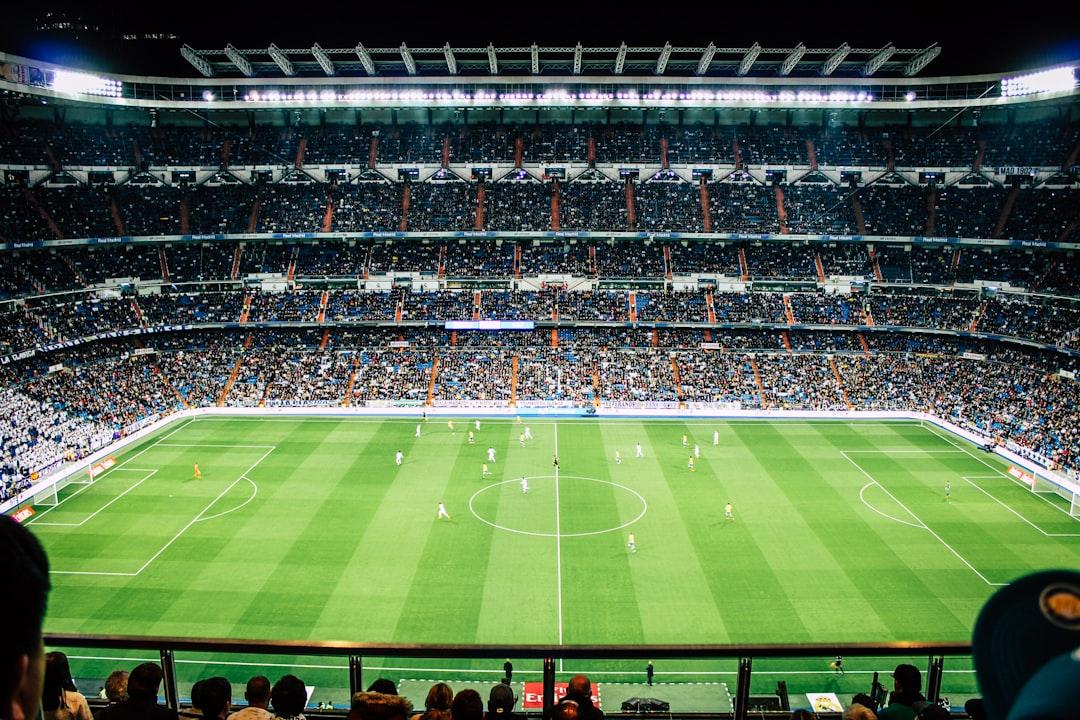
For decades, the FIFA World Cup has been celebrated as the ultimate theater of the unexpected. From Cameroon’s heroics in 1990 to Morocco’s historic run in 2022, the tournament’s soul was often found in the 'giant-killers'—the underdogs who defied the mathematical odds of the FIFA World Ranking system. However, a significant threshold has been crossed. For the first time since the FIFA rankings were introduced in 1992, the top four ranked teams in the world have all successfully navigated the gauntlet to reach the semi-finals.
This alignment of rank and reality represents more than just a statistical quirk; it signifies a stabilization of the global football hierarchy. While fans often crave the romanticism of the underdog, the current landscape of international football is increasingly dominated by a professionalized elite that has learned to mitigate the variables of luck and chance through data, technology, and systemic investment.
One of the primary drivers behind this newfound consistency among top-tier nations is the integration of high-level sports science and AI-driven analytics. In previous eras, a tactically disciplined underdog could frustrate a superior team through sheer physical effort and a 'low block' defensive strategy. Today, the top four nations possess the technological infrastructure to dismantle these tactics with surgical precision.
- Performance Tracking: Top-ranked teams now use real-time biometric data to manage player fatigue, ensuring that their star assets are peaking during the knockout stages.
- Tactical AI: Coaches utilize sophisticated software to simulate thousands of match scenarios, allowing them to prepare for every possible underdog strategy before the whistle even blows.
- Video Analysis: The depth of scouting available to elite nations means that 'surprise' players from smaller leagues are no longer a mystery. Every movement, preference, and weakness is cataloged and exploited.
This technological gap creates a 'safety net' for the world’s best teams. While a lower-ranked team might still win a single group-stage match, the multi-game rigor of a World Cup tournament now heavily favors the nations with the deepest analytical and medical departments.
The synchronization of the FIFA rankings with tournament outcomes also reflects the current state of club football. The majority of players representing the top four nations compete in the world’s most prestigious leagues—the Premier League, La Liga, and the Bundesliga. These players are conditioned to play at an elite intensity week in and week out.
Furthermore, the coaching staff of the top four nations often mirrors the tactical sophistication found in the UEFA Champions League. This 'club-ification' of international football means that the top-ranked teams are no longer just a collection of talented individuals; they are well-oiled machines with tactical identities that are difficult for less-resourced nations to disrupt. The gap between the 'top' and the 'rest' is no longer just about the quality of the starting XI, but the quality of the entire ecosystem surrounding the team.
As we look forward to the 2026 FIFA World Cup, which will feature an expanded 48-team format, the question arises: Will this trend of elite dominance continue, or will the larger field invite more chaos? While more teams provide more opportunities for upsets in the early rounds, the path to the semi-finals will become even more grueling.
Logic suggests that a longer tournament favors the teams with the greatest depth. Elite nations can afford to rotate their squads without a significant drop in quality, whereas a smaller nation may rely heavily on a core group of 13 or 14 players. As the tournament expands, the physical and mental demands will likely further cement the status of the top-ranked nations who possess the resources to endure a marathon competition.
Does this mean the era of the World Cup underdog is over? Not necessarily. Football remains a game of thin margins where a single red card or a VAR decision can alter the course of history. However, the 'barrier to entry' for the semi-finals has clearly been raised. To break into the top four, a nation can no longer rely on spirit alone; they must match the elite in terms of technical development, data integration, and high-performance management.
For Imai News, this shift marks a transition in how we cover the sport. The narrative is moving away from 'miracles' and toward 'mastery.' The fact that the rankings finally match the results is a testament to the professionalization of the sport—a world where the best are getting better at ensuring they remain at the top.
Enjoying this article?
Get the daily AI briefing sent straight to your inbox.
Frequently Asked Questions
Why is it significant that the top four ranked teams made the semi-finals?
It is the first time in the history of the FIFA rankings (established in 1992) that the tournament's final four exactly matched the top four spots in the global rankings, suggesting a shift toward more predictable outcomes for elite teams.
How does technology help top-ranked teams avoid upsets?
Top nations use AI-driven tactical analysis, real-time biometric tracking, and extensive video scouting to neutralize underdogs and manage player fitness more effectively than less-resourced nations.
Will the 2026 World Cup expansion lead to more underdogs in the semi-finals?
While the 48-team format allows more nations to participate, the longer tournament duration and increased physical demands are expected to favor elite nations with deeper squads and better recovery infrastructure.
Comments
0Please sign in to leave a comment.
Related articles
Julián Álvarez Emerges as Argentina's Hero in World Cup Semifinal Push
In a tactical masterclass where opponents successfully stifled Lionel Messi, Julián Álvarez stepped into the spotlight to secure Argentina's path to the semifinals.
Elite Footballers Face Higher Risks of Brain Decline and Mental Health Struggles
New research highlights the long-term neurological and mental health challenges facing former elite footballers, urging the sport to prioritize player welfare.
Argentina Edges Past Switzerland: Player Ratings from the World Cup 2026
Argentina survived a grueling 120-minute battle against Switzerland to reach the 2026 FIFA World Cup semi-finals. Here is how the squad performed.