- Belgium defeated the U.S. in a crucial Round of 16 World Cup match.
- An early defensive error led to the only goal of the game.
- The U.S. struggled to convert possession into high-quality scoring chances.
- Belgium's tactical discipline in defense effectively neutralized the American attack.
Belgium Stuns U.S. in World Cup Round of 16 Clash: A Tactical Breakdown
The U.S. Men’s National Team faces a bitter exit as Belgium secures a decisive opening goal, shifting the momentum of the tournament.
Jul 7, 2026·0 views
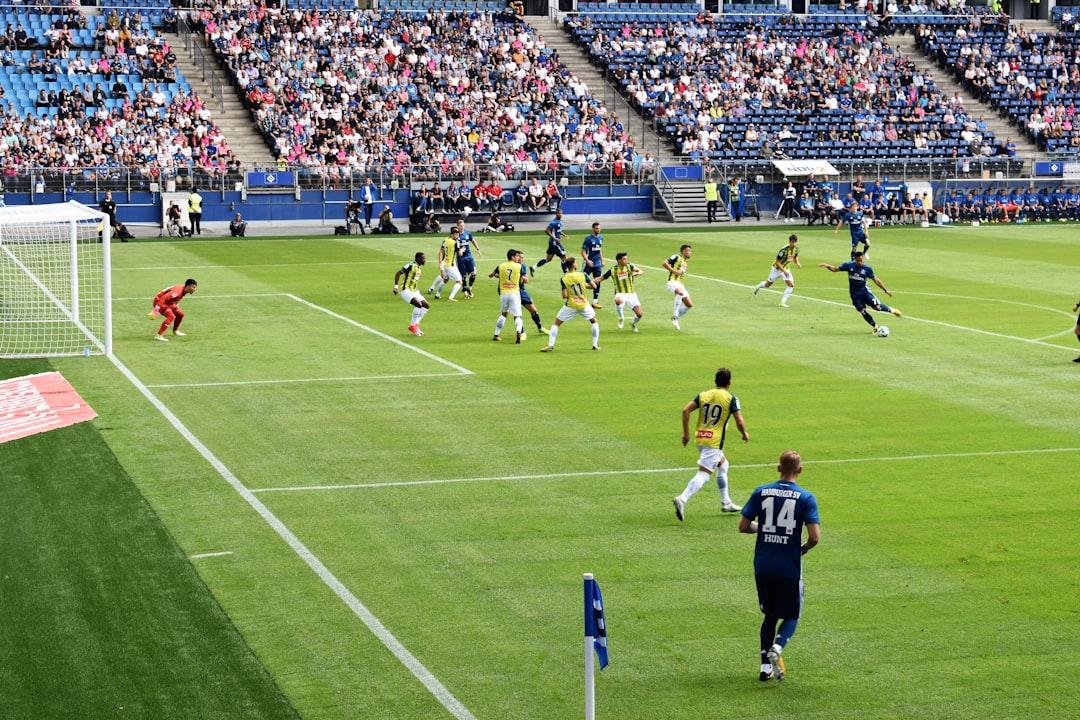
Key Takeaways
The atmosphere was electric as the United States Men’s National Team took to the pitch against a formidable Belgium squad in the Round of 16. What was expected to be a balanced tactical affair quickly evolved into a high-pressure test for the American defense. In a match that has left fans and analysts dissecting every minute, Belgium successfully broke the deadlock, securing an opening goal that forced the U.S. to abandon their defensive structure and pursue an equalizer that ultimately never materialized.
From the opening whistle, Belgium’s midfield engine room looked to dictate the pace of the game. By utilizing quick lateral passes and stretching the U.S. wing-backs, the Red Devils created pockets of space that proved difficult for the American backline to close down. The goal, which arrived early in the first half, was a product of clinical precision and a lapse in defensive concentration that the U.S. team had largely managed to avoid throughout the group stages.
The defensive breakdown occurred when a cross from the right flank bypassed the primary defensive line, leaving an unmarked attacker in the box. This moment of individual brilliance—or, depending on one's perspective, a failure in zonal marking—set the tone for the remainder of the match. For the U.S., the challenge was immediate: how to remain organized while chasing a goal against one of the most efficient counter-attacking teams in world football.
Key takeaways from the defensive performance include:
- Transition Gaps: The U.S. midfield struggled to track back during Belgium’s rapid transition phases, leading to numerical disadvantages in the defensive third.
- Zonal Marking Issues: The opening goal highlighted a lack of communication between the center-backs, which allowed the Belgian forward to exploit the space between the defensive lines.
- Pressure Management: As the match progressed, the U.S. showed signs of fatigue, leading to unforced errors that allowed Belgium to maintain possession and kill the game’s momentum.
Following the goal, the U.S. coaching staff made several tactical adjustments, shifting to a more aggressive pressing style. While this resulted in increased possession in the final third, the lack of a clinical finisher proved to be the team’s undoing. The American attack moved the ball effectively through the midfield, yet the final pass often lacked the necessary composure to break down Belgium’s veteran defense.
Throughout the second half, the U.S. created several half-chances, including a notable header that skimmed the crossbar and a long-range effort that forced a diving save from the Belgian goalkeeper. However, the lack of a consistent goal-scoring threat allowed the Belgian backline to absorb pressure comfortably. By the 75th minute, it was clear that the U.S. was struggling to maintain the intensity required to level the score against a team as disciplined as Belgium.
For the U.S. squad, this defeat serves as a sobering lesson in the requirements of tournament-level football. While the team showed glimpses of technical growth and tactical flexibility, the ability to maintain composure under pressure remains a significant hurdle. Belgium, conversely, moves on to the quarterfinals with renewed confidence, having demonstrated both their offensive potency and their ability to protect a lead in high-stakes environments.
As the tournament progresses, the focus now shifts to how Belgium will adapt to their next opponent. Analysts suggest that while their defense is solid, they will need to be more clinical in front of goal if they hope to overcome the heavyweights remaining in the bracket. For the United States, the focus turns to the next cycle, with a clear need to bolster their defensive depth and find a consistent goal-scoring presence that can deliver in the high-pressure moments of a World Cup knockout stage.
Enjoying this article?
Get the daily AI briefing sent straight to your inbox.
Frequently Asked Questions
Who scored the winning goal in the Belgium vs. U.S. match?
The match was decided by an early opening goal from Belgium, which proved to be the only goal of the contest.
Why did the U.S. lose to Belgium in the World Cup?
The loss was primarily due to a breakdown in defensive marking early in the match and a lack of clinical finishing in the final third.
Comments
0Please sign in to leave a comment.
Related articles
Defensive Fragility and the Weight of Expectation: Analyzing the USMNT’s Round of 16 Collapse
In a high-stakes Round of 16 clash, the United States' World Cup ambitions were dealt a self-inflicted blow. We analyze the tactical breakdown and the psychological fallout of the 'total calamity' that saw Belgium take control.
Red Devils Rise: Belgium Cruises Past USA Amidst Administrative Storm to Secure Spain Showdown
Belgium secured their place in the FIFA World Cup 2026 Quarter-Finals with a convincing victory over the United States. However, the tactical masterclass was nearly eclipsed by a burgeoning scandal involving Folarin Balogun’s eligibility, raising questions about FIFA's governance on the world's biggest stage.
The Pulisic Predicament: Analyzing the USMNT’s World Cup Exit and the Road to 2026
Christian Pulisic's injury during the Round of 16 loss to Belgium is more than a tactical setback; it is a flashpoint for the USMNT’s future. We examine the fallout and what it means for 2026.