- United Launch Alliance's Atlas V rocket successfully deployed 29 satellites for Amazon's Project Kuiper.
- Project Kuiper aims to provide global low-latency broadband to bridge the digital divide.
- The mission highlights the growing competition in the LEO satellite internet market.
- Amazon plans to continue its aggressive launch schedule using multiple launch providers.
Amazon’s Kuiper Ambitions Soar as Atlas V Delivers 29 New Satellites to Orbit
United Launch Alliance's heavy-lift rocket successfully deployed a fresh batch of satellites, marking a pivotal step in Amazon's mission to challenge global internet monopolies.
Jul 4, 2026·0 views

Key Takeaways
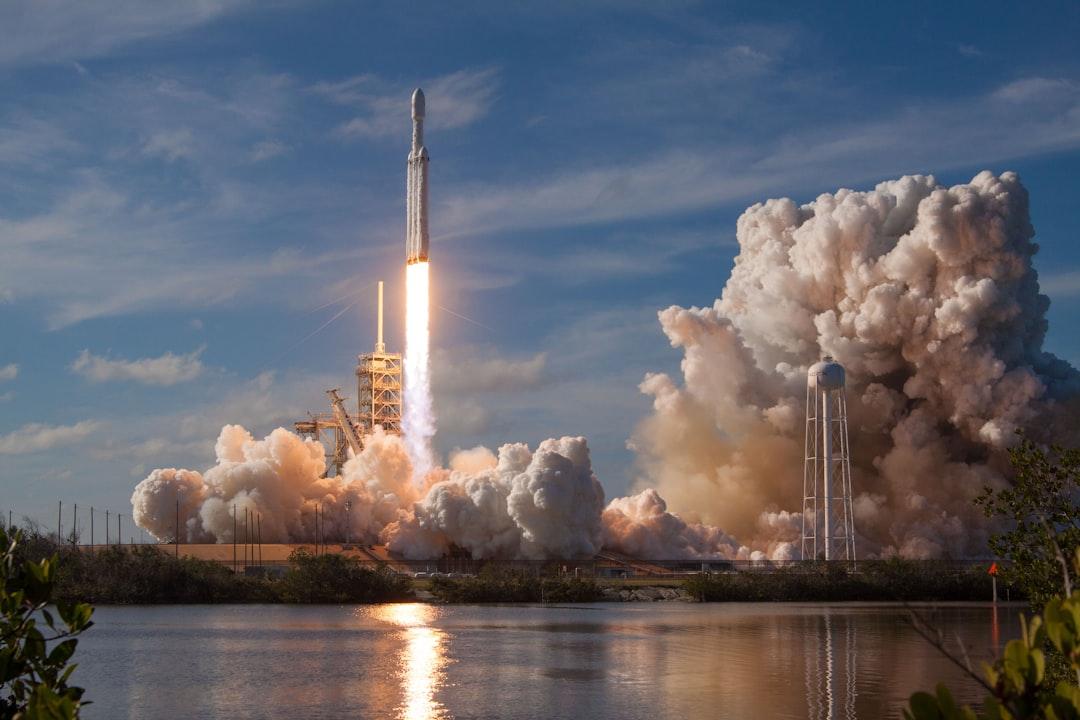
In a significant display of aerospace precision, a United Launch Alliance (ULA) Atlas V rocket roared into the Florida sky this week, carrying 29 satellites destined for Amazon’s Project Kuiper constellation. This mission represents a major stride in the e-commerce giant’s multi-billion dollar quest to provide high-speed, low-latency broadband internet to underserved and remote regions across the globe.
The launch, which took place at Cape Canaveral Space Force Station, serves as a testament to the reliability of the ULA launch platform. As Amazon continues to scale its satellite manufacturing and deployment capabilities, the successful integration of these 29 units brings the company closer to its goal of establishing a robust network in low Earth orbit (LEO).
Project Kuiper is Amazon’s direct response to the growing demand for global connectivity. By positioning a constellation of satellites in LEO, Amazon aims to eliminate the massive infrastructure costs associated with laying fiber-optic cables in difficult terrain, such as mountains, deserts, or isolated island chains.
- Bridging the Digital Divide: Providing reliable internet access to schools, hospitals, and homes that currently lack high-quality connectivity.
- Enterprise Efficiency: Supporting global logistics and supply chain operations for businesses operating in remote areas.
- Disaster Response: Offering rapid-deployment communication networks for emergency services during natural disasters when terrestrial infrastructure is compromised.
Industry analysts note that while SpaceX’s Starlink currently holds the first-mover advantage, the backing of Amazon’s vast capital reserves and its ability to leverage its logistics network make Project Kuiper a formidable competitor in the space-based internet market.
While ULA is currently transitioning toward its next-generation Vulcan Centaur rocket, the Atlas V remains a workhorse of the American space industry. Its performance during this mission was flawless, demonstrating the vehicle’s continued capability to handle complex orbital insertions for heavy payloads. The rocket successfully navigated the ascent, shielding the satellites from the intense acoustic and thermal stresses of launch before deploying them into their designated orbital plane.
For ULA, this mission is part of a broader commitment to supporting commercial interests in space. As the demand for satellite constellations increases, the synergy between launch providers and satellite operators becomes the bedrock of the burgeoning space economy.
The road ahead for Amazon is not without its hurdles. Regulatory compliance, orbital traffic management, and the ongoing challenge of space debris mitigation are front-of-mind for both regulators and the company. Amazon has committed to sustainable practices, including the design of satellites that can safely de-orbit at the end of their operational life, minimizing the risk of collision in the increasingly crowded LEO environment.
Looking forward, Amazon plans to accelerate its launch cadence significantly. The company is expected to utilize a combination of its own heavy-lift launch vehicles, along with third-party providers like ULA and Blue Origin, to reach its target of over 3,000 satellites in orbit.
As the constellation grows, the focus will shift from deployment to service testing. Early trials have already demonstrated that Project Kuiper can achieve high throughput, providing a viable alternative to traditional internet service providers. For consumers and businesses alike, the competition between Kuiper, Starlink, and other emerging players promises a future where internet access is truly ubiquitous, regardless of geography.
Enjoying this article?
Get the daily AI briefing sent straight to your inbox.
Frequently Asked Questions
What is Amazon's Project Kuiper?
Project Kuiper is an initiative by Amazon to build a constellation of over 3,000 satellites in low Earth orbit to provide global, high-speed, and low-latency broadband internet.
Which rocket was used for the recent satellite launch?
The recent mission utilized a United Launch Alliance (ULA) Atlas V rocket to carry 29 satellites into orbit.
How does Project Kuiper differ from Starlink?
While both aim to provide LEO satellite internet, Project Kuiper is backed by Amazon’s extensive logistics and cloud infrastructure, positioning it as a major competitor to SpaceX’s Starlink.
Comments
0Please sign in to leave a comment.
Related articles

Satellite Proliferation Threatens the Future of Ground-Based Astronomy
The rapid expansion of satellite constellations is creating a 'catastrophic' scenario for ground-based astronomy, potentially rendering deep-space observation impossible.
Artemis 2: How NASA’s Moon Mission Marks America’s 250th Birthday
NASA’s Artemis 2 mission is set to play a pivotal role in the U.S. 250th anniversary celebrations, blending historic space exploration with modern milestones.

Solar Storm Watch: Sun Unleashes 10 Flares Ahead of Independence Day
The Sun has entered a period of heightened activity, firing off ten solar flares in a single day, setting the stage for potential geomagnetic storms.