- Philadelphia is leveraging the U.S. 250th anniversary to enhance its profile as a 2026 FIFA World Cup host city.
- The city is hosting high-stakes knockout round matches, drawing significant international attention.
- Strategic planning includes massive fan zones near historic sites like Independence Hall.
- The integration of cultural history and global sports is expected to provide a substantial economic boost to the region.
Philadelphia Ignites World Cup Fever Amidst America’s 250th Anniversary
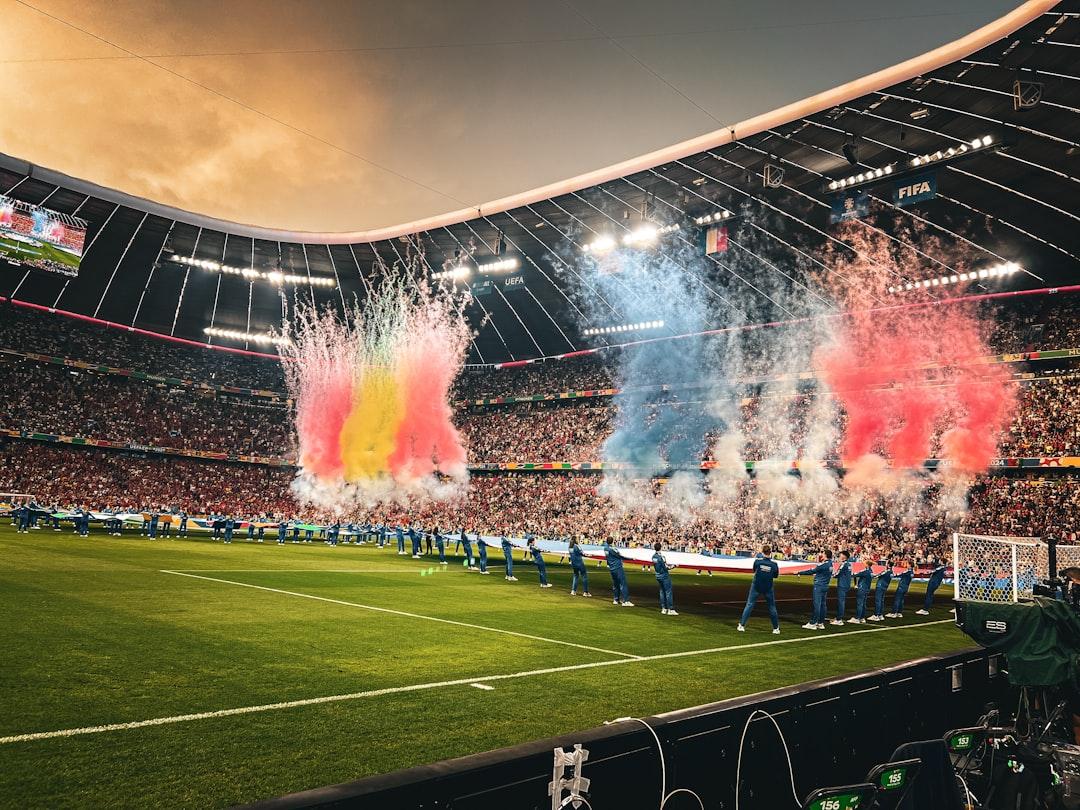
The birthplace of the nation transforms into a global soccer hub, blending historic patriotism with the high-stakes intensity of the 2026 FIFA World Cup.
Jul 4, 2026·0 views
Key Takeaways
As the United States gears up for the 2026 FIFA World Cup, few cities are positioned as uniquely as Philadelphia. Known globally as the birthplace of American democracy, the city has officially pivoted its focus toward becoming the epicenter of the tournament. The recent festivities surrounding the nation’s 250th anniversary—the Semiquincentennial—served as a high-octane dress rehearsal for what is expected to be one of the most significant sporting events in modern history.
Philadelphia is not just hosting games; it is curating an immersive cultural experience that bridges the gap between historical significance and the future of global athletics. By aligning the World Cup knockout rounds with the massive infrastructure of the 250th-anniversary celebrations, city officials have created a dual-purpose festival that has caught the attention of international sports federations and casual fans alike.
The atmosphere in the city during the lead-up to these events has been described as electric. For Philadelphia, the World Cup is more than just a series of matches at Lincoln Financial Field; it is a declaration of the city's readiness to serve as a global stage. The local organizing committees have integrated the "USA 250" branding into the soccer festivities, ensuring that international visitors understand the weight of the city’s history while they enjoy the world’s most popular sport.
Key elements of the city's strategy include:
- Fan Activation Zones: Massive public viewing areas have been established near Independence Hall, allowing fans to watch matches in the shadow of the nation's most iconic historic sites.
- Cultural Exchange Programs: Partnerships with international embassies to host pre-match galas that celebrate both the participating nations and the American spirit.
- Public Infrastructure Upgrades: Accelerated efforts to improve transit and pedestrian accessibility in the downtown corridor, ensuring that the influx of millions of fans is managed with precision.
Beyond the pageantry, the economic implications for Philadelphia are staggering. Local businesses, from the historic markets in Old City to the modern hospitality hubs near the stadium district, are reporting record-breaking interest. The city’s hospitality sector has been working in overdrive, preparing for a surge of international tourism that is expected to rival the largest events in Philadelphia's history.
Experts suggest that this "dual-celebration" model could serve as a blueprint for future host cities. By leveraging existing cultural milestones, Philadelphia has managed to amplify its marketing reach, drawing in tourists who might otherwise be indifferent to soccer but are interested in the historic significance of the 250th-anniversary celebrations.
While the celebrations are festive, the underlying focus remains on the competition. The knockout rounds being held in Philadelphia represent the highest stakes of the tournament. The pressure is on for the local staff to maintain the same level of excellence displayed during the July 4th celebrations when the pressure of the elimination matches begins.
"The city is ready," noted a spokesperson for the local committee. "We have spent years preparing for the convergence of these two monumental events. When the world arrives, they will see a city that respects its past but is firmly focused on the excitement of the future."
As the countdown to the final whistle continues, Philadelphia remains at the forefront of the global conversation. By successfully blending the gravity of the nation's 250th birthday with the chaotic, beautiful energy of a World Cup knockout match, Philadelphia is proving that it is more than just a historic site—it is a world-class destination for the modern era of sports and entertainment.
Enjoying this article?
Get the daily AI briefing sent straight to your inbox.
Frequently Asked Questions
Why is Philadelphia hosting 2026 World Cup matches?
Philadelphia was selected as a host city for the 2026 FIFA World Cup due to its world-class stadium facilities, rich history, and its capacity to manage large-scale international events alongside its 250th-anniversary celebrations.
What is the significance of the 'USA 250' celebration in Philadelphia?
The 'USA 250' or Semiquincentennial marks the 250th anniversary of the signing of the Declaration of Independence, providing a unique backdrop of historical importance for the 2026 World Cup festivities.
Comments
0Please sign in to leave a comment.
Related articles
The Seattle Cauldron: Why Belgium Must Brave the Ultimate Noise Test Against the USMNT
Belgium faces a hostile, 67,000-strong crowd in Seattle for their crucial Round of 16 matchup against the United States. Can the Red Devils' tactical discipline quiet the loudest stadium in North American soccer?
Tactical Grit: Three Key Takeaways from France’s Hard-Fought Win Over Paraguay
France survived a grueling battle against Paraguay to advance in the tournament. We break down the tactical lessons from this high-stakes victory.
Kylian Mbappé: The Heir Apparent Defining a New Era of World Cup Glory
With record-breaking pace and clinical finishing, Kylian Mbappé has emerged as the definitive superstar of modern football, setting the stage for the 2026 World Cup.