- Artemis 2 serves as a centerpiece for the United States' 250th anniversary celebrations.
- The mission tests critical technologies for long-term lunar presence and future Mars travel.
- International collaboration via the Artemis Accords remains a key focus of the mission.
- NASA aims to use the mission to inspire a new generation of STEM-focused students.
Artemis 2: How NASA’s Moon Mission Marks America’s 250th Birthday
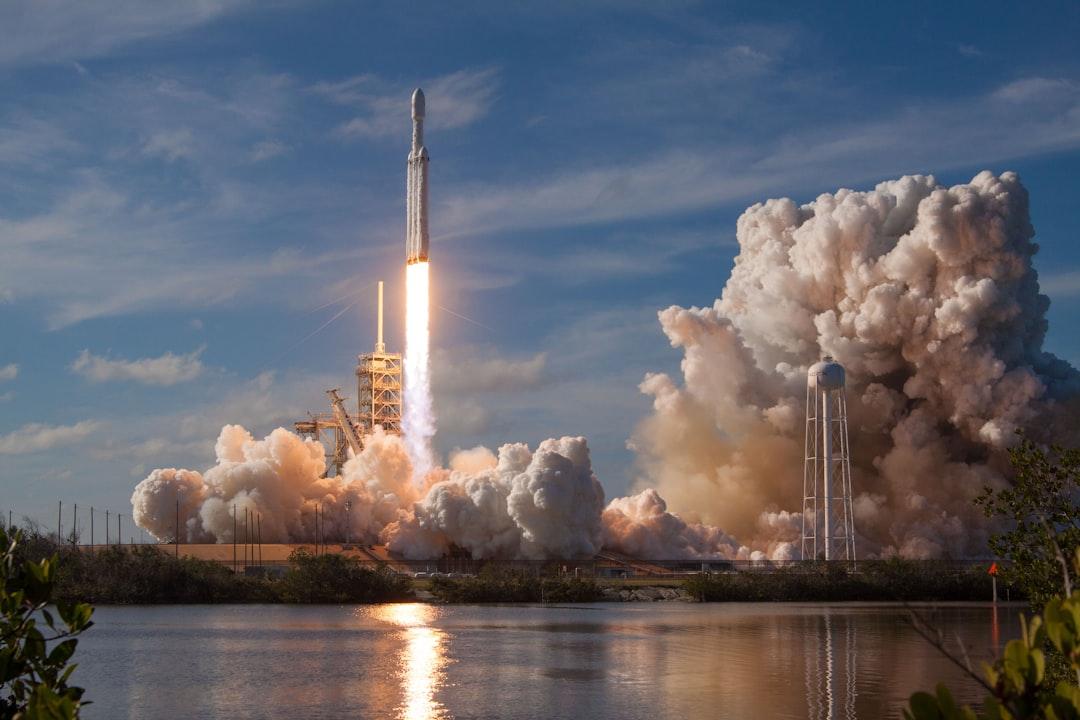
As the United States approaches its semiquincentennial, NASA’s Artemis 2 mission stands as a centerpiece of national pride and technological ambition.
Jul 4, 2026·0 views
Key Takeaways
As the United States prepares for its semiquincentennial—the 250th anniversary of the signing of the Declaration of Independence—the nation is looking toward the stars. NASA’s Artemis 2 mission, which will carry a crew of four around the Moon, has emerged as a symbolic centerpiece for these historic celebrations. By bridging the gap between the Apollo era and the future of deep-space exploration, the mission serves as a testament to American resilience, innovation, and international cooperation.
The 250th anniversary of the United States, often referred to as 'America250,' is a landmark moment for the country. NASA has long been an integral part of the American identity, representing the pinnacle of engineering and the spirit of discovery. Artemis 2, which aims to send astronauts Reid Wiseman, Victor Glover, Christina Koch, and Jeremy Hansen on a lunar flyby, aligns perfectly with the nation’s desire to showcase its ongoing leadership in space.
This mission is not merely a technical exercise; it is a cultural milestone. Just as the Apollo missions defined the 20th century, Artemis represents the 21st-century evolution of human spaceflight. NASA’s participation in the 250th birthday celebrations underscores the idea that the 'American frontier' has expanded beyond terrestrial borders into the cosmos.
Beyond the symbolic value, Artemis 2 represents a critical step in NASA’s long-term strategy to establish a sustainable presence on the lunar surface. The mission will test the life-support systems of the Orion spacecraft, ensure the safety of the crew during deep-space travel, and pave the way for the Artemis 3 mission, which plans to return humans to the lunar south pole.
Key technological objectives include:
- Deep Space Navigation: Refining complex orbital maneuvers that will be essential for future Mars missions.
- Life Support Systems: Testing advanced environmental control systems designed for long-duration missions.
- Crew Safety: Evaluating the performance of the Orion heat shield during a high-speed re-entry into Earth's atmosphere.
By achieving these goals, NASA demonstrates that the same spirit of innovation that fueled the Industrial Revolution and the Space Race remains alive and well in the modern age. The mission serves as a benchmark for the next 250 years of technological advancement.
While the 250th anniversary is a distinctly American celebration, the Artemis program is inherently global. With the inclusion of Canadian Space Agency astronaut Jeremy Hansen, Artemis 2 highlights the collaborative nature of modern space exploration. This international partnership is a cornerstone of the Artemis Accords, a set of principles designed to guide the cooperative exploration of the Moon and beyond.
As the U.S. celebrates its founding, it does so by inviting the world to participate in the next chapter of human history. This approach ensures that the benefits of space exploration—scientific discoveries, technological breakthroughs, and economic growth—are shared across borders, reflecting the democratic values that the 250th anniversary aims to honor.
The most profound impact of the Artemis 2 mission may be its role in education and inspiration. During the 250th-anniversary festivities, NASA plans to engage students and the public through live broadcasts, interactive exhibits, and STEM initiatives centered on the lunar mission. By showing that the impossible is achievable through rigorous science and dedication, NASA is grooming the next generation of engineers, scientists, and explorers.
As the United States reflects on its past and looks to the future, the 'Rocket’s Red Glare' will take on a new meaning. It will no longer just signify the historic struggles for independence, but will represent the bright, hopeful future of humanity’s journey into the solar system. The Artemis 2 mission serves as a beacon of progress, ensuring that the legacy of the American experiment continues to push the boundaries of what is possible.
Enjoying this article?
Get the daily AI briefing sent straight to your inbox.
Frequently Asked Questions
What is the primary goal of the Artemis 2 mission?
Artemis 2 is a crewed mission that will fly around the Moon to test the Orion spacecraft's systems, ensuring safety and performance for future lunar landings.
How does Artemis 2 relate to America's 250th birthday?
The mission serves as a symbol of American progress, technological leadership, and the spirit of discovery, coinciding with the nation's semiquincentennial celebrations.
Comments
0Please sign in to leave a comment.
Related articles

Japan’s Martian Frontier: JAXA’s MMX Mission Targets Phobos Samples
JAXA is embarking on a historic mission to land on the Martian moon Phobos and return precious samples to Earth, marking a major milestone in space exploration.

Gemstones in the Clouds: Scientists Discover Exotic Weather on WASP-193b
Astronomers have identified potential gemstone-like particles in the atmosphere of WASP-193b, an ultra-low-density exoplanet that defies conventional physics.

Why Can You See the Moon During the Day? A Guide to Daytime Stargazing
Ever wondered why the Moon is visible during daylight hours? Experts explain the mechanics of lunar orbits and why this week offers prime viewing opportunities.