- Spain and Argentina, the World Cup finalists, showcase distinct strengths in offense and defense.
- Spain's tactical approach emphasizes possession and intricate passing, likely leading to higher ball control statistics.
- Argentina's game may feature more direct attacks and a strong emphasis on individual brilliance and tenacious defense.
- Both teams have demonstrated significant stamina and work rate throughout the tournament, crucial for their success.
- The final is expected to be a tactical battle where midfield dominance and offensive efficiency will be key determinants of the winner.
World Cup Finalists Spain & Argentina: A Statistical Showdown
As European champions Spain prepare to face reigning World Cup holders Argentina in a highly anticipated final, BBC Sport delves into the key statistics that define their incredible journeys.
Jul 18, 2026·0 views
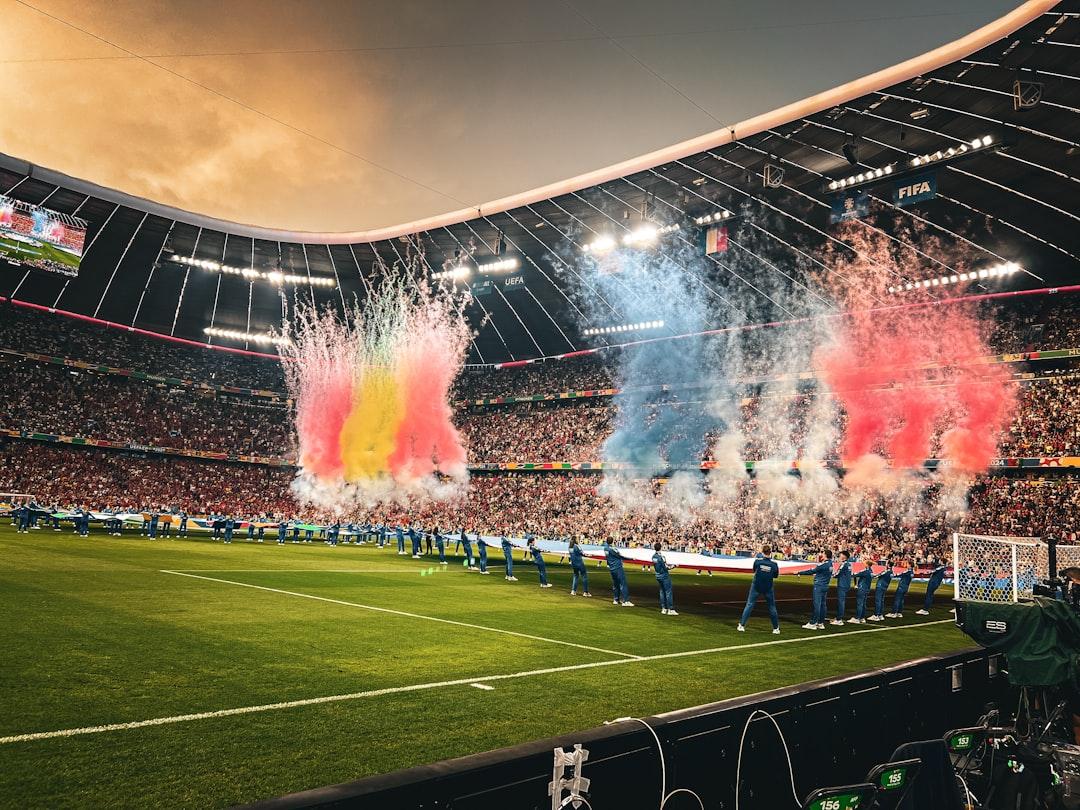
Key Takeaways
The stage is set for a monumental clash in the World Cup final, pitting European champions Spain against the reigning World Cup holders and South American champions, Argentina. As the global footballing community eagerly awaits this showdown, BBC Sport has meticulously analyzed the numbers that have propelled these two titans to the pinnacle of the sport. This statistical comparison offers a compelling glimpse into their respective strengths, strategies, and the sheer dominance they've displayed throughout the tournament.
When it comes to finding the back of the net, both Spain and Argentina have showcased remarkable efficiency. Spain, renowned for its intricate passing game and creative midfield, has relied on a balanced attack. While specific goal tallies are subject to the unfolding final, their journey has been marked by consistent scoring threats from various positions. Their ability to create chances through fluid movement and intelligent play has been a hallmark.
Argentina, on the other hand, often hinges on moments of individual brilliance and the clinical finishing of their star forwards. Their offensive output, while perhaps featuring fewer players contributing significantly, is characterized by a potent strike force capable of decisive moments. The tactical approach of both teams in the final will be crucial in determining which offensive machine ultimately prevails.
A team's success in a major tournament is rarely built on offense alone. The defensive capabilities of both Spain and Argentina have been instrumental in their progression to the final. Spain has often demonstrated a strong organizational structure, stifling opposition attacks with disciplined positioning and effective pressing. Their ability to control possession also plays a significant role in limiting the number of defensive actions required.
Argentina's defense, while sometimes appearing more reliant on individual defensive actions and goalkeeping heroics, has proven to be robust when it matters most. Their tenacity and commitment to shutting down opponents have been evident, often characterized by a fierce determination to win back possession and protect their goal.
Control of the midfield is often the key to dictating the tempo of a football match, and both finalists excel in this area. Spain's midfield is typically a masterclass in possession-based football. Their players are adept at retaining the ball under pressure, recycling possession, and dictating the flow of the game. This control allows them to build attacks methodically and exhaust their opponents.
Argentina's midfield, while perhaps more direct in its approach, is no less effective. They possess players who can break up opposition play, transition quickly into attack, and provide a solid platform for their forwards. The battle for midfield supremacy will undoubtedly be a critical factor in the final outcome.
Beyond the statistics of goals and assists, the sheer work rate and stamina of players are often the unsung heroes of a successful World Cup campaign. Both Spain and Argentina have teams that have demonstrated incredible endurance throughout the tournament. Their ability to maintain intensity for 90 minutes, and potentially longer, has been crucial in grinding out results and overcoming challenging opponents.
Players who cover vast distances, press relentlessly, and make crucial tackles at vital moments are the backbone of any championship-winning side. The statistics on distance covered and defensive actions will likely paint a picture of two teams that have left everything on the field.
While specific final numbers will only be available post-match, a general comparison of their tournament trends can be inferred:
- Possession Statistics: Spain is likely to dominate possession, reflecting their tactical preference for ball control.
- Pass Completion Rate: Spain's intricate passing game suggests a higher pass completion rate.
- Shots on Target: Both teams will aim for a high number of shots on target, but the source of these shots might differ – Spain from intricate build-up, Argentina from decisive breaks.
- Tackles and Interceptions: Argentina might show higher numbers in tackles and interceptions, reflecting a more direct defensive approach.
- Duels Won: The physical nature of the game means both teams will be vying for dominance in duels, with Argentina potentially having an edge in aerial duels.
Reaching the World Cup final is no accident. It is the culmination of years of dedicated training, strategic planning, and consistent performance. Both Spain and Argentina have navigated a grueling tournament, overcoming diverse opponents and adapting to various tactical challenges. Their journeys have been a testament to their resilience, their talent, and their unwavering belief in their ability to succeed.
The final promises to be a captivating spectacle, a clash of styles and a battle of wills. As the statistics suggest, we are poised to witness a final where offensive firepower meets defensive resilience, and where midfield control will likely dictate the ultimate victor. The numbers provide a fascinating backdrop, but on the day, it will be the players on the pitch who write the final chapter of this World Cup story.
Enjoying this article?
Get the daily AI briefing sent straight to your inbox.
Frequently Asked Questions
What are the key statistical areas to watch in the World Cup final between Spain and Argentina?
Key statistical areas to monitor include offensive output (goals scored, shots on target), defensive solidity (tackles, interceptions, clean sheets), midfield control (possession, pass completion), and overall work rate (distance covered, duels won).
How does Spain typically approach football matches statistically?
Spain is known for its possession-based football, characterized by high ball retention, intricate passing, and a methodical build-up of play. This often results in superior possession statistics and a high pass completion rate.
What are Argentina's statistical tendencies in football?
Argentina often relies on moments of individual brilliance, particularly from their star forwards, and a more direct attacking style. Their defense is typically tenacious, with a strong emphasis on winning tackles and interceptions, and they can be highly effective in transitions.
Comments
0Please sign in to leave a comment.
Related articles

Milan’s Strategic Pivot: Chasing Genk’s Karetsas and Marseille’s Hojbjerg
AC Milan is entering a critical recruitment phase, targeting Belgian sensation Konstantinos Karetsas and veteran Pierre-Emile Hojbjerg. We analyze the tactical and financial implications of these potential moves.
Arsenal’s Defensive Blueprint: The Strategic Importance of Ben White’s Return
Arsenal defender Ben White is reportedly making 'encouraging progress' following knee surgery. We analyze the medical, tactical, and financial implications of his return to the Emirates.
The Blaugrana Tightrope: Why Barcelona is Postponing Renewals to Save its Transfer Window
FC Barcelona has opted to delay key forward renewals until September, a high-stakes gamble designed to prioritize the registration of new signings under strict La Liga financial regulations.