- Contract renewal negotiations between Real Madrid and Vinicius Jr. have unexpectedly stalled, creating market uncertainty.
- Manchester United is identified as the only European club with the unique combination of financial muscle and commercial appeal to afford the Brazilian superstar.
- The INEOS-led hierarchy at Old Trafford views a potential marquee signing as a catalyst to return the club to global dominance.
- A move to the Premier League would maximize Vinicius Jr.'s commercial and athletic brand value ahead of the FIFA World Cup 2026.
The Vinicius Jr. Standoff: Why Manchester United is the Only Club Capable of Real Madrid's Ultimate Transfer Coup
As contract negotiations between the Brazilian superstar and Real Madrid stall, a shift in global football's financial hierarchy positions Old Trafford as his sole viable destination.
Jul 18, 2026·0 views
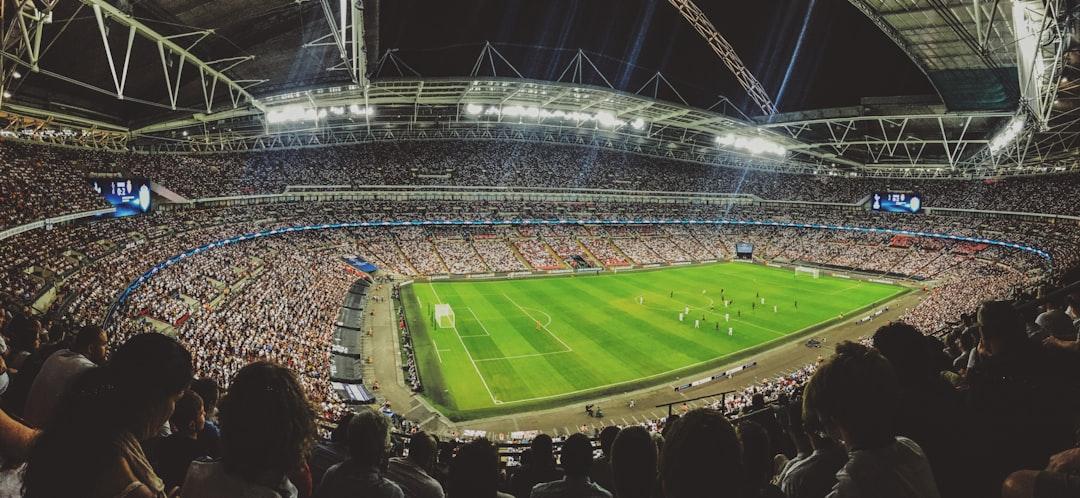
Key Takeaways
The delicate equilibrium at the top of European football is showing signs of a seismic shift. Real Madrid, a club accustomed to orchestrating the transfer market with absolute authority, has reportedly hit a significant roadblock in contract renewal negotiations with their talismanic winger, Vinicius Jr. While the Brazilian international remains the crown jewel of Los Blancos' sporting project, the sudden deceleration in talks has ignited speculation across the continent.
In an era dominated by stringent financial regulations and state-backed clubs, very few institutions possess the financial muscle to even contemplate a move for a player of Vinicius Jr.'s caliber. However, emerging reports suggest that Manchester United stands alone as the only European club capable of orchestrating and funding what would undoubtedly become one of the most expensive transfers in football history.
For months, the consensus in Madrid was that Vinicius Jr.’s long-term future remained inextricably linked to the Santiago Bernabéu. Having guided the club to multiple UEFA Champions League titles and established himself as a perennial Ballon d'Or contender, the 24-year-old expected a contract renewal that reflected his status as the undisputed face of the franchise.
Yet, negotiations have hit an unexpected impasse. Insiders suggest the friction arises from several intersecting factors:
- The Wage Hierarchy: The arrival of Kylian Mbappé has inevitably altered the internal wage structure and dressing room dynamics at Real Madrid, complicating negotiations regarding parity and image rights.
- The Lure of Alternative Projects: Persistent interest from the Saudi Pro League, which reportedly offered a historic ten-figure package last summer, has recalibrated the financial expectations of the player's camp.
- Strategic Leverage: Contract standoffs are frequently used as leverage in elite sports, but the prolonged nature of these talks suggests a genuine philosophical divide between the player's representatives and the Madrid board.
To understand why Manchester United is uniquely positioned to capitalize on this impasse, one must look beyond the pitch and into the balance sheets. While clubs like Paris Saint-Germain and Manchester City possess immense wealth, they operate under intense regulatory scrutiny and have pivotally shifted their recruitment strategies toward younger, system-oriented profiles.
Manchester United, conversely, remains a commercial juggernaut capable of generating unprecedented organic revenue. Under the strategic direction of Sir Jim Ratcliffe and the INEOS group, the club is undergoing a comprehensive structural overhaul. INEOS is determined to restore United to the pinnacle of global sport, and securing a generational talent like Vinicius Jr. would serve as the ultimate statement of intent.
Financing a deal of this magnitude—likely exceeding a €150 million transfer fee alongside astronomical weekly wages—requires a club with massive commercial leverage. Manchester United's global brand power allows them to structure complex sponsorship-tied compensation packages that comply with the Premier League’s Profitability and Sustainability Rules (PSR), an advantage few other clubs enjoy.
Should Manchester United pull off this audacious coup, the tactical implications would reshape the Premier League. Newly appointed manager Ruben Amorim is renowned for his dynamic, high-intensity tactical systems.
Vinicius Jr. represents the archetype of the modern elite forward: a devastating dribbler, an elite transition threat, and a highly efficient goalscorer. Under Amorim’s transition-heavy philosophy, Vinicius could occupy the left-sided attacking role, providing the explosive pace and elite decision-making that United’s attack has lacked in recent seasons. His presence would not only elevate United's offensive output but also alleviate the creative burden currently resting on the shoulders of Bruno Fernandes.
Beyond the tactical and financial dynamics, the timing of this contract standoff is highly significant. With the FIFA World Cup 2026 in North America rapidly approaching, Vinicius Jr. is poised to become one of the tournament's primary global poster boys.
Playing in the Premier League—the most-watched domestic league in the world—would amplify his commercial reach and cultural impact in the Western hemisphere. For Manchester United, aligning their brand with Brazil's premier superstar ahead of a historic World Cup in the United States, Canada, and Mexico represents an unparalleled marketing opportunity. The synergy between United's global footprint and Vinicius's rising cultural stock could unlock hundreds of millions in commercial partnerships, offsetting the immense financial outlay of the transfer itself.
While history suggests that contract standoffs at Real Madrid often resolve with the player signing an extension, the current landscape feels different. The combination of Saudi financial pressure, dressing room congestion in Madrid, and Manchester United's desperate need for a transformative superstar has created a perfect storm.
If Real Madrid fails to bridge the gap in negotiations by the summer, they may be forced to entertain offers to avoid entering the final years of the Brazilian's contract with diminished leverage. If that door opens, expect Sir Jim Ratcliffe and Manchester United to be waiting at the threshold, ready to redefine the hierarchy of world football.
Enjoying this article?
Get the daily AI briefing sent straight to your inbox.
Frequently Asked Questions
Why are Vinicius Jr.'s contract talks with Real Madrid stalling?
Negotiations have hit hurdles due to shifting wage dynamics inside the Real Madrid dressing room following Kylian Mbappé's arrival, alongside lucrative external interest from the Saudi Pro League.
How can Manchester United afford Vinicius Jr. under PSR rules?
Manchester United's immense organic commercial revenue, combined with planned squad clearing and potential sponsorship-tied wage structures under INEOS, provides the financial flexibility needed to comply with FFP/PSR.
How would Vinicius Jr. fit into Ruben Amorim's system?
His elite pace, world-class 1v1 dribbling, and transition efficiency make him the perfect fit for Amorim's dynamic, high-tempo attacking systems.
Comments
0Please sign in to leave a comment.
Related articles

Milan’s Strategic Pivot: Chasing Genk’s Karetsas and Marseille’s Hojbjerg
AC Milan is entering a critical recruitment phase, targeting Belgian sensation Konstantinos Karetsas and veteran Pierre-Emile Hojbjerg. We analyze the tactical and financial implications of these potential moves.
Arsenal’s Defensive Blueprint: The Strategic Importance of Ben White’s Return
Arsenal defender Ben White is reportedly making 'encouraging progress' following knee surgery. We analyze the medical, tactical, and financial implications of his return to the Emirates.
The Blaugrana Tightrope: Why Barcelona is Postponing Renewals to Save its Transfer Window
FC Barcelona has opted to delay key forward renewals until September, a high-stakes gamble designed to prioritize the registration of new signings under strict La Liga financial regulations.