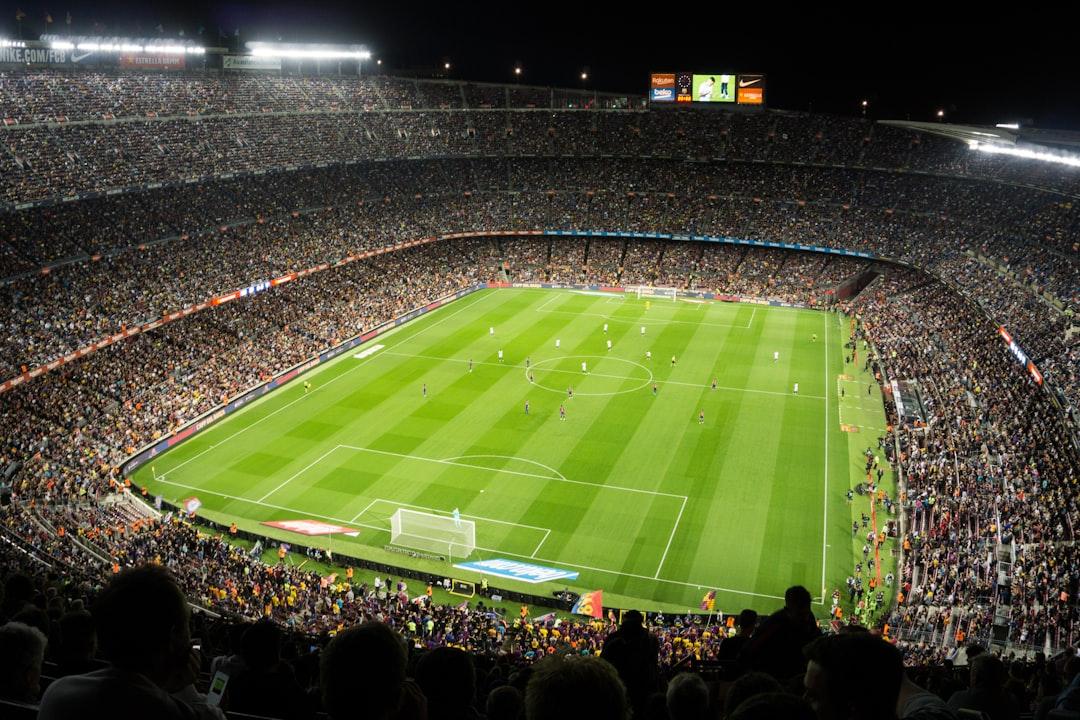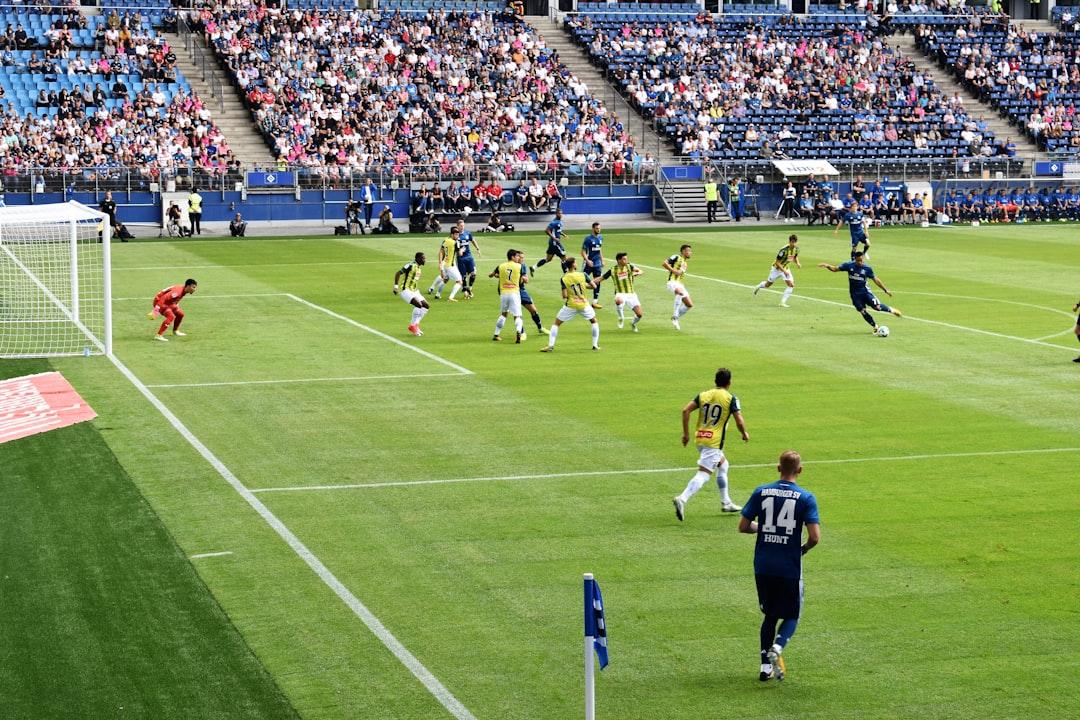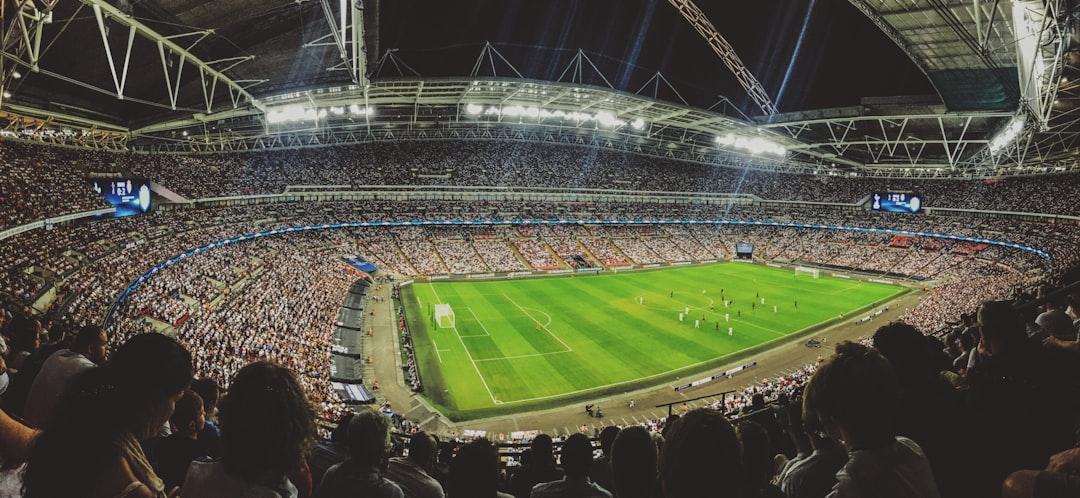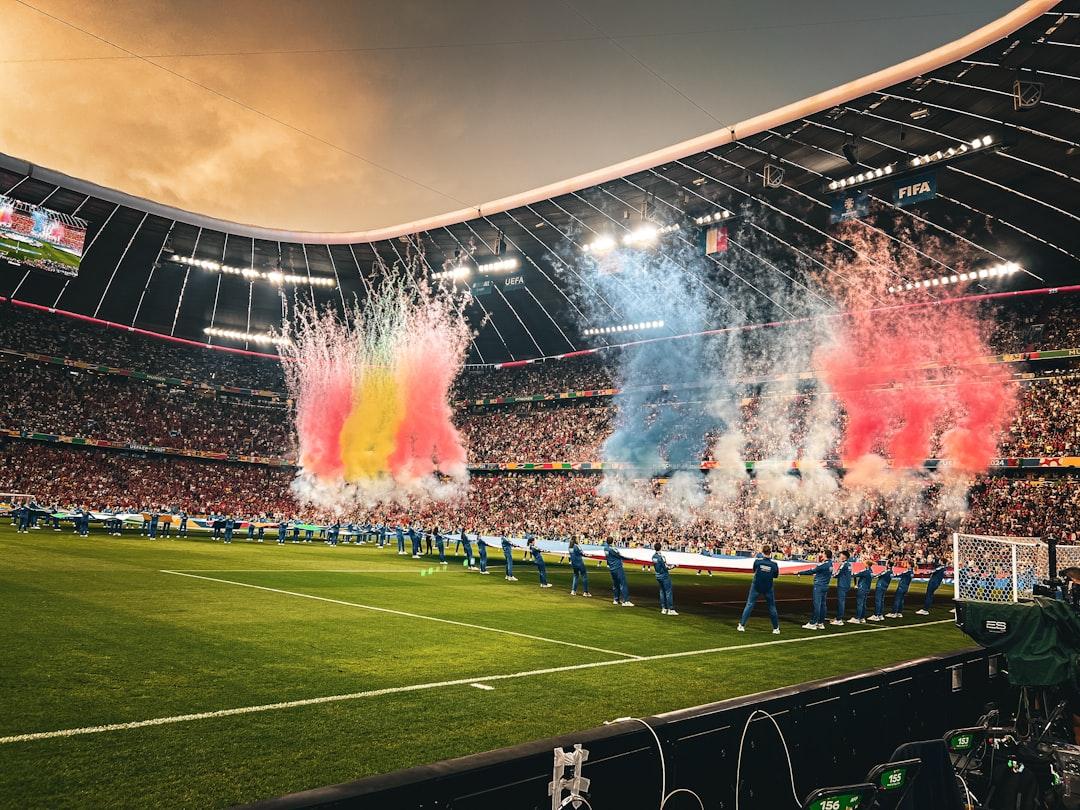
The 2026 World Cup has officially transitioned into its most volatile phase. As the group stages conclude and the bracket narrows, the intensity in the host cities is palpable. For the Spanish national team, the stakes have never been higher. Their upcoming clash against Austria at the iconic venues in Los Angeles represents the first major 'do-or-die' test for the squad, a moment that will define their legacy in this historic tournament.
Fans and analysts alike are tuning in to see if Spain can navigate the tactical challenges posed by an Austrian side that has consistently punched above its weight throughout the group stages. The atmosphere in Los Angeles is electric, with both sets of supporters creating a vibrant, high-pressure environment that mirrors the gravity of the fixture.
While the focus is currently on the high-stakes drama surrounding Spain’s path to the round of 16, the broader narrative of the 2026 World Cup continues to be defined by historic milestones. The United States has already secured its place in the history books with a performance that has captured the imagination of the host nation and the global footballing community.
This tournament has been characterized by its unpredictability. Traditional powerhouses are finding themselves pushed to the limit by rising nations, leading to a level of parity that has kept viewers glued to their screens. The expanded format of the 2026 edition has allowed for a broader range of teams to make their mark, resulting in a more diverse and competitive landscape than previous iterations of the competition.
As managers prepare their squads for the knockout stages, the tactical discourse has shifted toward defensive resilience and efficiency in front of the goal. Spain’s manager is expected to rely on their signature possession-based style, yet there is a recognition that Austria’s counter-attacking prowess could pose a significant threat.
Key areas to watch during the upcoming match include:
- Midfield Control: Spain’s ability to dictate the tempo of the game will be essential in neutralizing Austria’s transition play.
- Defensive Stability: With the introduction of VAR and updated officiating standards, defenders are under more pressure than ever to maintain discipline inside the box.
- Clinical Finishing: In knockout football, chances are often limited. The efficiency of the strikers on both sides will likely be the deciding factor in who advances to the next round.
The decision to expand the World Cup has faced its fair share of criticism, but as the competition reaches its peak, the benefits of the new format are becoming clear. By providing more teams with a pathway to the knockout stages, the tournament has facilitated an influx of fresh talent and provided a platform for underdogs to challenge established hierarchies.
This shift has not only increased the total number of matches but has also ensured that the drama remains high through the final days of the group stages. For Spain, the challenge is now to translate their group-stage momentum into a deep run in the bracket. The path to the final remains treacherous, but the squad appears prepared for the physical and mental toll of tournament football.
As the world watches the unfolding drama in Los Angeles, the conversation is already turning toward what lies ahead. With the round of 16 taking shape, the bracket is beginning to reveal potential heavyweight clashes that could define the tournament.
Whether Spain advances to face the tournament favorites or finds themselves in a position to cause an upset, one thing is certain: the 2026 World Cup has succeeded in bringing the sport to new heights. The combination of historic venues, passionate fans, and a high level of technical play has turned this event into a global phenomenon. As the whistle blows in Los Angeles, the focus shifts entirely to the pitch, where ninety minutes of football will decide which nation continues its dream and which must pack its bags and head home.