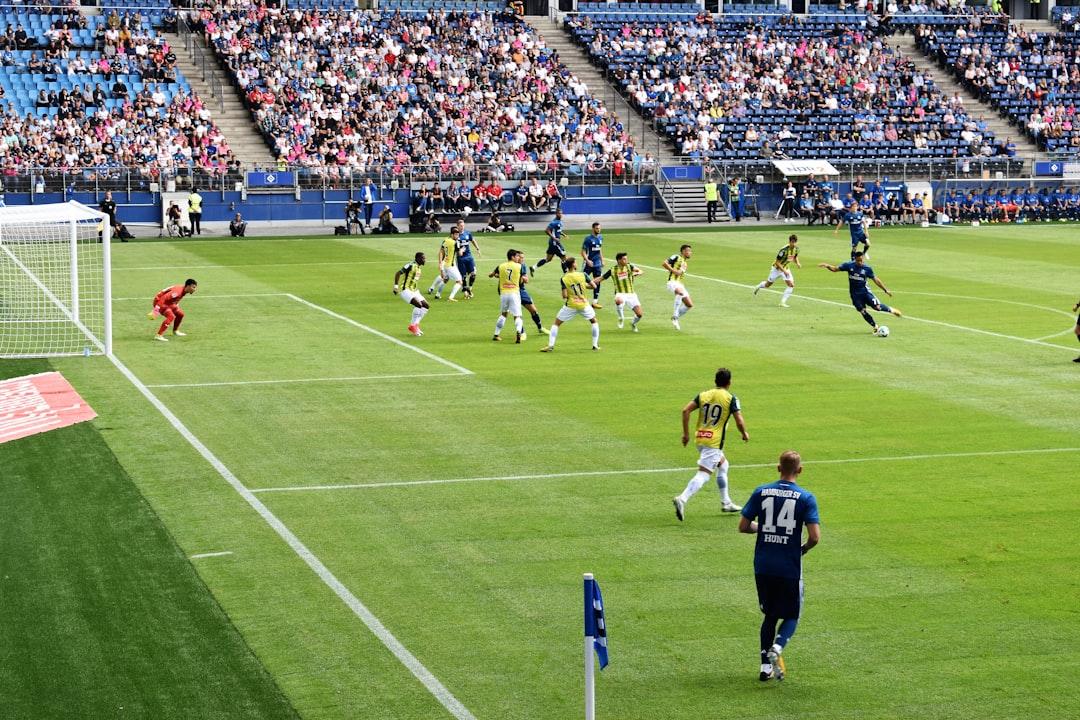
The much-anticipated knockout phase of the 2026 FIFA World Cup has officially commenced, marking a pivotal moment in the global football spectacle. Co-host nation Canada finds itself at the forefront of this high-stakes period, facing South Africa in a compelling Round of 32 fixture. The match, set to unfold in Los Angeles, represents not just a quest for quarter-final berths but a significant test for Canada on home soil.
As one of the three co-host nations, alongside the United States and Mexico, Canada carries the weight of national expectation into the knockout rounds. The opportunity to compete in a World Cup at home is a rare privilege, and the Canadian squad, under the guidance of head coach Jesse Marsch, will be acutely aware of the historical significance of this moment. Their progression to the Round of 32 is a testament to their development and determination, but the true measure of their journey begins now, in the unforgiving crucible of sudden-death football.
The global scale of the 2026 World Cup, spanning three nations, introduces unprecedented logistical and cultural integration challenges. For Canada, hosting matches in major cities like Vancouver and Toronto, in addition to this crucial fixture in Los Angeles, underscores the nation's growing prominence in the international football landscape. The tournament serves as a powerful catalyst for sporting infrastructure development, tourism, and national unity, extending far beyond the ninety minutes of play.
Central to Canada's hopes and strategic offensive will be Jonathan David, the prolific striker currently plying his trade with Italian giants Juventus. David's inclusion in the starting lineup, leading the attack for Jesse Marsch's side, highlights his indispensable role in Canada's tactical setup. His club form, characterized by clinical finishing, intelligent movement, and an ability to perform under pressure, makes him Canada's primary threat in front of goal. The expectations on David are immense; as a top-tier European club striker, he is tasked with converting opportunities and providing the decisive edge in a match where margins will be exceptionally fine.
David's journey from youth football to a star at one of Europe's most storied clubs embodies the aspirations of Canadian football. His presence on the pitch not only offers a potent attacking option but also inspires his teammates and a nation eager for success. His ability to link up play, make incisive runs, and hold off defenders will be crucial in breaking down what is expected to be a resolute South African defense.
Head coach Jesse Marsch, known for his high-pressing, intense style of play, faces his biggest tactical challenge yet. Guiding a host nation through the knockout stages requires meticulous preparation, shrewd game management, and the ability to adapt to in-game dynamics. Marsch's strategy against South Africa will likely emphasize disrupting their rhythm, winning possession high up the pitch, and quickly transitioning into attack to capitalize on David's prowess. The mental fortitude of his squad will be paramount, as knockout football often tests psychological resilience as much as technical skill.
Marsch's experience in top European leagues will be invaluable in preparing his team for the unique pressures of World Cup knockout football. His analytical approach to the game, often leveraging performance data and scouting reports, will be key to identifying South Africa's strengths and weaknesses, formulating a game plan that maximizes Canada's advantages, and making critical substitutions as the match progresses.
South Africa's presence in the Round of 32 is a significant achievement, underscoring the growing competitiveness of football globally. While specific details of their lineup and tactical approach were not immediately available, their journey to this stage suggests a well-organized and determined squad capable of challenging stronger opponents. Knockout matches frequently produce upsets, and South Africa will undoubtedly approach this fixture with the belief that they can defy expectations and progress further in the tournament. Their ability to absorb pressure and launch counter-attacks could prove to be a significant test for Canada's defensive line.
The transition from the group stage to the knockout rounds fundamentally alters the dynamics of the tournament. Every match is a final, with no second chances. This sudden-death format amplifies the intensity, leading to more cautious tactical approaches but also moments of breathtaking drama. Decisions, both on and off the pitch, become magnified, and individual brilliance or errors can instantly shift the momentum of a game. This phase demands peak physical condition, unwavering mental focus, and tactical discipline from every player.
From a technological standpoint, the 2026 World Cup is set to be the most advanced iteration yet. Beyond the immediate match, the infrastructure supporting such a massive event relies heavily on cutting-edge technology. Video Assistant Referee (VAR) systems, enhanced with AI-driven offside detection, ensure greater accuracy in crucial decisions. Advanced data analytics platforms provide real-time insights into player performance, tactical patterns, and opponent weaknesses, assisting coaching staff in making informed decisions. Wearable technology monitors player biometrics, optimizing training regimens and injury prevention.
Fan engagement is also revolutionized through digital platforms, offering immersive experiences, personalized content, and seamless navigation within smart stadiums. Cybersecurity measures are paramount to protect sensitive data and ensure the smooth operation of all tournament systems, from ticketing to broadcast. The sheer scale of data generated and processed throughout the tournament underscores the integral role of technology in modern sports, transforming everything from player development to fan interaction.
As Canada and South Africa prepare to clash in Los Angeles, the football world watches with bated breath. This Round of 32 encounter is more than just a game; it is a narrative of national aspirations, individual brilliance, and tactical ingenuity. For Canada, it is an opportunity to make a profound statement as a co-host. For South Africa, it is a chance to etch their name into World Cup lore. The knockout phase has begun, and with it, the promise of unforgettable moments and the relentless pursuit of footballing glory.