- At least 12 fatalities have been recorded in Bangladesh related to football fan violence.
- The violence is largely attributed to hyper-polarized support for rival teams like Argentina and Brazil.
- Local authorities are under pressure to improve crowd management at public viewing events.
- Community leaders are advocating for a new focus on 'responsible fandom' to prevent future tragedies.
Tragedy Strikes Bangladesh as Football Enthusiasm Turns Deadly
A wave of violence linked to World Cup fervor has resulted in at least 12 deaths, raising urgent questions about safety and crowd management.
Jul 15, 2026·0 views
Key Takeaways
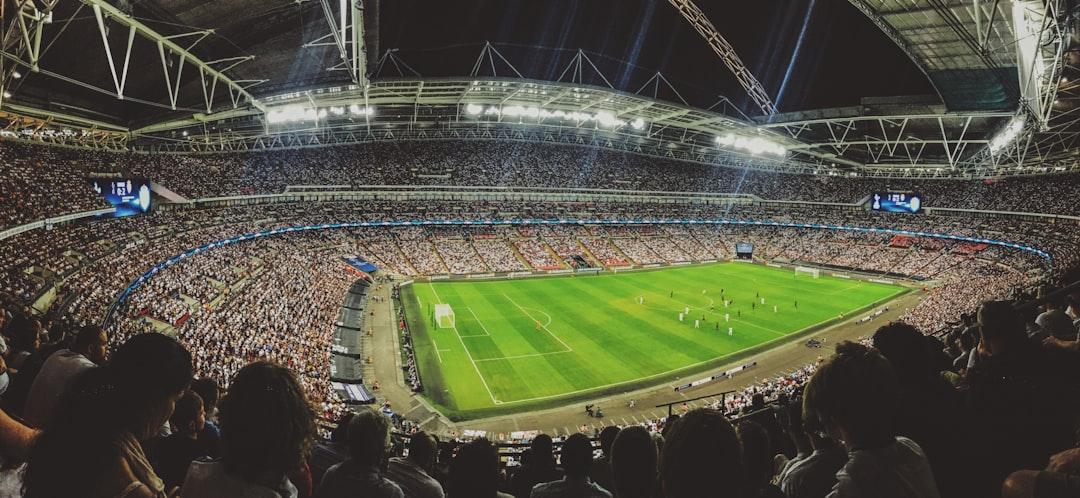
For millions of football fans in Bangladesh, the quadrennial World Cup is more than a sporting event; it is a cultural phenomenon that permeates every street corner, tea stall, and household. However, the latest tournament cycle has been marred by a series of violent clashes that have left at least 12 people dead, casting a somber shadow over the global celebration of the beautiful game.
While the fervor for football—particularly the intense rivalry between supporters of Brazil and Argentina—is well-documented, the recent uptick in fatalities has shocked the international community. What began as spirited debates and displays of team colors has, in several instances, escalated into physical altercations, targeted attacks, and fatal confrontations.
Local authorities have struggled to maintain order as the passion for the sport occasionally crosses the line into dangerous fanaticism. The violence is rarely centralized; instead, it manifests in scattered, often spontaneous clashes between rival groups of fans. These incidents have ranged from late-night brawls over match results to targeted assaults during public viewing sessions.
Sociologists point to several factors contributing to this volatile environment:
- Hyper-polarization: The intense loyalty to specific national teams, most notably Argentina and Brazil, creates a "us versus them" mentality that persists even among fans who have no direct ancestral connection to those countries.
- Public Viewing Pressures: Large-scale public screenings, while intended to foster community, have become flashpoints for intoxicated behavior and heated arguments.
- Social Media Amplification: Online platforms have exacerbated existing tensions, allowing misinformation and inflammatory rhetoric to spread rapidly before and after high-stakes matches.
Bangladesh has long been considered one of the most football-obsessed nations in South Asia. During the World Cup, the country undergoes a visual transformation. Streets are draped in massive flags, vehicles are painted in team colors, and entire neighborhoods compete to see who can display the most elaborate support for their chosen squad.
However, this passion is a double-edged sword. While it fosters a unique sense of global connectivity, the lack of institutional frameworks for managing large-scale fan gatherings has proven to be a significant liability. Law enforcement agencies have faced criticism for being reactive rather than proactive, often intervening only after violence has already broken out.
In the wake of the 12 reported deaths, local NGOs and community leaders are calling for a national dialogue on "responsible fandom." The goal is not to suppress the joy of the game, but to ensure that the environment remains safe for families and casual spectators.
Proposed measures include:
- Stricter Regulation of Public Screenings: Requiring permits and security personnel for large-scale outdoor events.
- Community Policing: Engaging local youth leaders to act as mediators during matches to de-escalate tensions before they turn violent.
- Educational Campaigns: Utilizing media outlets to promote a culture of sportsmanship, emphasizing that the game should be a source of unity rather than division.
As the football calendar moves forward, the government and civil society in Bangladesh face an uphill battle. The challenge lies in balancing the deep-seated cultural identity tied to football with the fundamental necessity of public safety. For many, the beautiful game remains a source of immense hope and joy, but the loss of life serves as a grim reminder that when passion is left unchecked, the consequences can be permanent.
International sports observers are now watching closely to see how Bangladesh addresses these security gaps. With future tournaments on the horizon, the hope is that these tragic events will serve as a catalyst for change, ensuring that the spirit of the World Cup is defined by the goals scored on the pitch, not the violence occurring in the streets.
Enjoying this article?
Get the daily AI briefing sent straight to your inbox.
Frequently Asked Questions
Why is there so much violence during the World Cup in Bangladesh?
The violence is primarily driven by intense, hyper-polarized loyalty to international teams like Brazil and Argentina, often exacerbated by large, unmanaged public gatherings and social media tensions.
What measures are being proposed to curb football-related violence?
Proposals include stricter regulations for public screenings, increased community policing, and national awareness campaigns centered on sportsmanship and safety.
Comments
0Please sign in to leave a comment.
Related articles
Corinthians Nears Strategic Loan Deal for Al-Nassr Forward Wesley
Corinthians is reportedly on the verge of securing a loan deal for forward Wesley from Saudi side Al-Nassr, marking a significant move to strengthen their squad.
Barcelona Shift Transfer Strategy: Why Tottenham Defender is Off the Table
FC Barcelona has officially cooled interest in a potential move for a Tottenham defender, shifting their focus toward bolstering their attacking lineup instead.
Barnsley Secures Leicester’s Rising Star Amani Richards: A Strategic Masterstroke for the Tykes
Barnsley FC has finalized a permanent deal for Leicester City forward Amani Richards, signaling a bold move in their quest for Championship promotion. We analyze why this three-year deal could be a turning point for the South Yorkshire club's offensive strategy.