- The Volvo FH Electric has officially entered the Australian market, with 3PL New Energy Transport taking delivery of the first unit in Sydney.
- With a range of up to 300km and 666 hp, the truck is designed to handle heavy-duty urban and regional logistics without diesel emissions.
- The deployment highlights a shift in the 3PL industry toward sustainable logistics to meet global corporate ESG requirements.
- Infrastructure remains a key challenge, requiring high-capacity DC fast charging to support widespread adoption across the Australian continent.
Charging the Outback: Volvo FH Electric and the New Era of Australian Logistics
How the arrival of Sweden’s heavy-duty powerhouse in Sydney signals a tipping point for global decarbonization in the world's most challenging transport market.
Jul 15, 2026·0 views
Key Takeaways
For decades, the rhythmic rumble of diesel engines has been the heartbeat of Australia’s supply chain. However, a new sound—or rather, the absence of one—is beginning to define the future of the continent’s logistics. The recent delivery of the Volvo FH Electric semi-truck to 3PL New Energy Transport represents more than just a single fleet upgrade; it is a symbolic and structural shift in how one of the world’s most transport-dependent nations views heavy-duty decarbonization.
Deploying a 44-tonne Gross Combination Weight (GCW) electric vehicle in the heart of Sydney is a bold statement. While passenger EVs have seen a steady rise in Australian suburbs, the heavy-duty sector has long been viewed as the "final frontier" of electrification due to the extreme distances, harsh climates, and the sheer power required to move freight across the vast Australian landscape. The arrival of the FH Electric suggests that the technology has finally matured enough to meet these demands.
Australia’s reliance on road freight is unparalleled. With a geography that necessitates long-haul transport and an economy built on the movement of bulk goods, the transition to Green Tech in this sector is critical for meeting national emission targets. The Volvo FH Electric, now operational in Sydney, serves as a proof-of-concept for the viability of Battery Electric Vehicles (BEVs) in urban and regional distribution.
3PL New Energy Transport’s decision to integrate this vehicle into their daily operations reflects a growing trend among third-party logistics providers. These companies are under increasing pressure from global clients to reduce Scope 3 emissions. By adopting the FH Electric, New Energy Transport is not just buying a truck; they are securing a competitive advantage in a market where "green logistics" is rapidly becoming a prerequisite for high-value contracts.
The Volvo FH Electric is a marvel of modern engineering, designed to offer a seamless transition for drivers accustomed to the traditional FH series. Under the hood—or rather, within the chassis—the truck boasts a continuous power output of up to 490 kW (666 hp), delivered by three electric motors. This is paired with Volvo’s renowned I-Shift gearbox, optimized for electric propulsion to ensure smooth power delivery and maximum efficiency.
One of the primary concerns for Australian operators has always been range. The FH Electric addresses this with a modular battery setup, offering up to 540 kWh of capacity. This translates to a range of approximately 300 kilometers on a single charge. While this may not yet cover the vast "Grey Nomad" routes of the Nullarbor Plain, it is more than sufficient for the high-density metropolitan loops and regional hub-and-spoke distributions that constitute the majority of Australia’s freight volume by frequency.
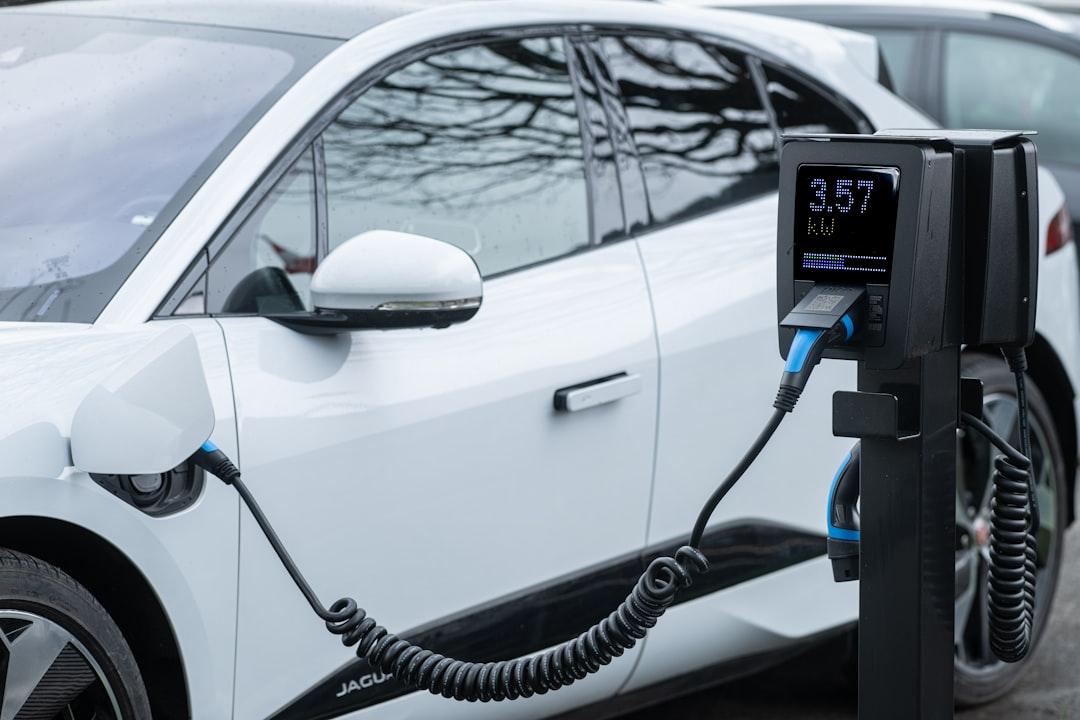
The success of the Volvo FH Electric in Australia will ultimately depend on more than just the vehicle itself; it requires a robust charging ecosystem. Heavy-duty trucks require high-output DC fast charging to minimize downtime. For 3PL New Energy Transport, the deployment in Sydney is supported by dedicated charging infrastructure that allows the truck to be topped up during driver breaks or loaded/unloaded at the depot.
However, for wider adoption, Australia must accelerate its investment in public heavy-vehicle charging networks. Unlike passenger cars, trucks require significant physical space and specialized power grid connections. The integration of the FH Electric into Sydney’s grid serves as a live laboratory for energy providers to understand the load profiles of heavy-duty transport and how to manage peak demand without compromising grid stability.
While the initial capital expenditure (CAPEX) for an electric semi-truck remains higher than its diesel counterpart, the Total Cost of Ownership (TCO) is where the FH Electric begins to shine. Maintenance costs are significantly lower due to fewer moving parts—no oil changes, no complex exhaust after-treatment systems, and reduced brake wear thanks to regenerative braking.
Furthermore, as Australia moves toward potential carbon pricing or stricter urban emission zones, the FH Electric offers a hedge against future regulatory costs. For a 3PL provider, the stability of electricity prices compared to the volatility of global diesel markets provides a level of financial predictability that is highly valued in the thin-margin world of logistics.
Volvo Trucks has set a global target that 50% of its total truck sales will be electric by 2030. The successful deployment of their flagship electric model in Australia—a market often perceived as a laggard in EV policy—is a testament to the brand's confidence in its technology. If the FH Electric can thrive in the demanding conditions of Sydney’s industrial corridors, it can thrive anywhere.
This milestone also places pressure on other manufacturers, such as Tesla with its Semi and Scania with its regional electric offerings, to accelerate their Australian roadmaps. The competition will be fierce, but for the Australian public, the result will be quieter streets, cleaner air, and a modernized logistics network that is fit for the 21st century.
As the Volvo FH Electric begins its work in Sydney, it carries more than just freight; it carries the momentum of a global energy transition that is finally finding its footing in the land down under.
Enjoying this article?
Get the daily AI briefing sent straight to your inbox.
Frequently Asked Questions
What is the range of the Volvo FH Electric in Australia?
The Volvo FH Electric offers a range of approximately 300 kilometers on a single charge, depending on the battery configuration and load, making it ideal for metropolitan and regional distribution.
Why is the Volvo FH Electric significant for Australian logistics?
It represents the first major deployment of a heavy-duty electric semi-truck in Australia, proving that decarbonization is possible even in a market traditionally dependent on long-haul diesel transport.
Who is the first operator of the Volvo FH Electric in Sydney?
3PL New Energy Transport is the first logistics provider to take delivery and begin immediate operations of the Volvo FH Electric in downtown Sydney.
Comments
0Please sign in to leave a comment.
Related articles

LEGO’s Electric Revolution: Building the Future of Sustainable Engineering
LEGO has quietly built a diverse collection of electric and hybrid-themed sets. We explore the best kits that celebrate the transition to sustainable energy.

The Best Electric Bikes of October 2026: A Buyer’s Guide for Every Budget
Looking for the perfect electric bike? We analyze the best-tested e-bikes across every price bracket to help you make an informed investment this fall.

EcoFlow Launches 'Tiny Titan' Residential Battery: Scalability Meets Affordability
EcoFlow's latest residential battery system offers a compact, scalable design that allows homeowners to build their energy backup capacity over time.