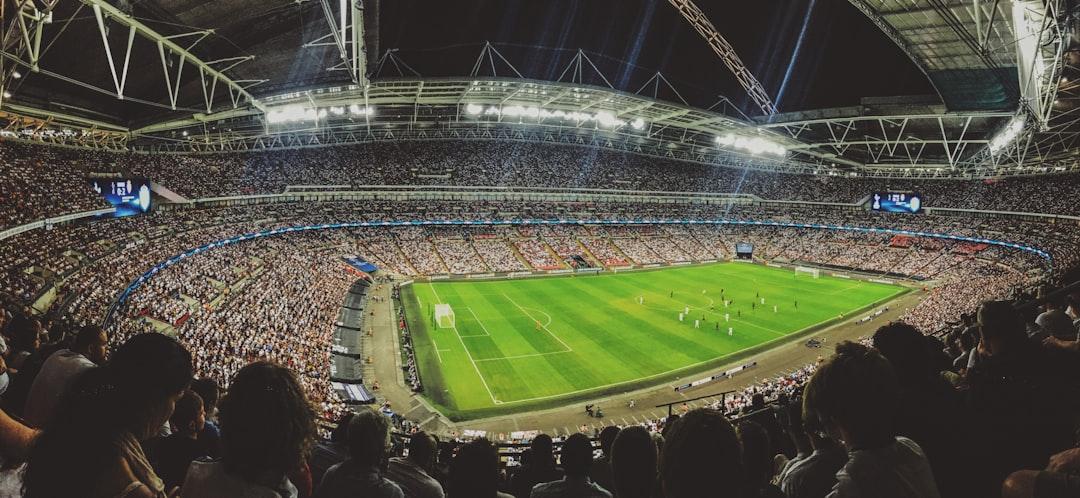
As the football world turns its eyes toward the upcoming World Cup, England head coach Thomas Tuchel has raised a critical concern regarding the physical demands of the tournament. Specifically, Tuchel has identified the unique environment of Mexico City’s iconic Azteca Stadium as a potential "huge advantage" for the host nation, Mexico, should the two teams meet in the Round of 16.
The challenge, according to the German tactician, is not merely about the quality of the opposition but the physiological impact of playing at an altitude of approximately 2,240 meters (7,350 feet) above sea level. For professional athletes accustomed to competing at lower elevations, the thinner air in Mexico City can significantly alter stamina, recovery rates, and the overall pace of a match.
Physiologically, the reduced oxygen levels at high altitude mean that players must work harder to supply their muscles with the necessary oxygen to maintain high-intensity performance. This leads to several immediate impacts on the field:
- Reduced Recovery Time: Players often find it harder to catch their breath between high-intensity sprints, leading to fatigue setting in much earlier in the game.
- Ball Trajectory Changes: The thinner air provides less resistance, meaning the ball travels faster and further, which can catch goalkeepers and defenders off guard if they are not acclimated.
- Increased Heart Rate: The cardiovascular system works overtime to compensate for lower oxygen saturation, which can lead to earlier physical burnout.
Tuchel’s concern stems from the tight scheduling of the tournament, which leaves little room for the typical acclimatization period usually required for athletes to adapt to such extreme conditions. Proper adaptation usually takes weeks of specialized training, a luxury that international squads simply do not have during the high-stakes knockout stages of a World Cup.
Mexico’s national team has long utilized the Azteca Stadium as a fortress, not just because of the passionate home crowd, but because of the inherent environmental difficulty it poses to visiting teams. For the Mexican players, who are either accustomed to living in the region or have had sufficient time to adapt, the stadium is a neutral ground. For visitors, however, it is a formidable obstacle.
Tuchel acknowledged that while his squad is filled with world-class talent, the environmental variables represent a "huge advantage" that cannot be coached away overnight. The tactical challenge for England will be to balance their natural attacking style with a more conservative energy-management strategy to ensure they do not collapse in the final 20 minutes of the match.
To mitigate these risks, the England coaching staff may need to rethink their approach to the knockout phase. If a match at the Azteca becomes likely, the technical team will need to implement specific strategies to handle the physical strain:
- Substitution Strategy: Utilizing the full quota of substitutes earlier than usual to bring on fresh legs and maintain high-intensity pressing.
- Tactical Tempo: Controlling the pace of the game to minimize unnecessary lung-busting runs, forcing the opposition to do the chasing instead.
- Hydration and Recovery: Implementing advanced physiological monitoring to keep players hydrated and managing electrolyte balance, which is more difficult at high altitudes.
As the tournament progresses, the pressure on managers like Tuchel to account for environmental factors becomes as important as tactical formations. While the skill gap between elite nations remains small, these "hidden" factors—weather, travel fatigue, and altitude—often decide the outcome of major international fixtures.
For England, the path to glory in the World Cup will require more than just talent; it will require the adaptability to conquer both the opponent and the elements. Tuchel remains focused on ensuring his team is mentally and physically prepared for whatever challenges the tournament schedule throws their way, even if the cards, including the altitude of the Azteca, seem stacked in favor of the hosts.