- The appointment of a World Cup Final referee represents the absolute pinnacle of an officiating career, carrying immense emotional weight.
- Modern referees face unprecedented cognitive load, balancing human intuition with real-time data from VAR and semi-automated offside systems.
- Tactical clashes between powerhouse nations require referees to possess elite psychological management skills alongside physical fitness.
- Despite advanced tracking technology, human judgment remains irreplaceable in evaluating intent and managing the emotional flow of the game.
The Weight of the Whistle: Why the World Cup Final Referee Faces the Ultimate Psychological Test
Beyond the cards and VAR reviews lies a deeply human story of pressure, technology, and the emotional pinnacle of athletic officiating.
Jul 17, 2026·0 views
Key Takeaways
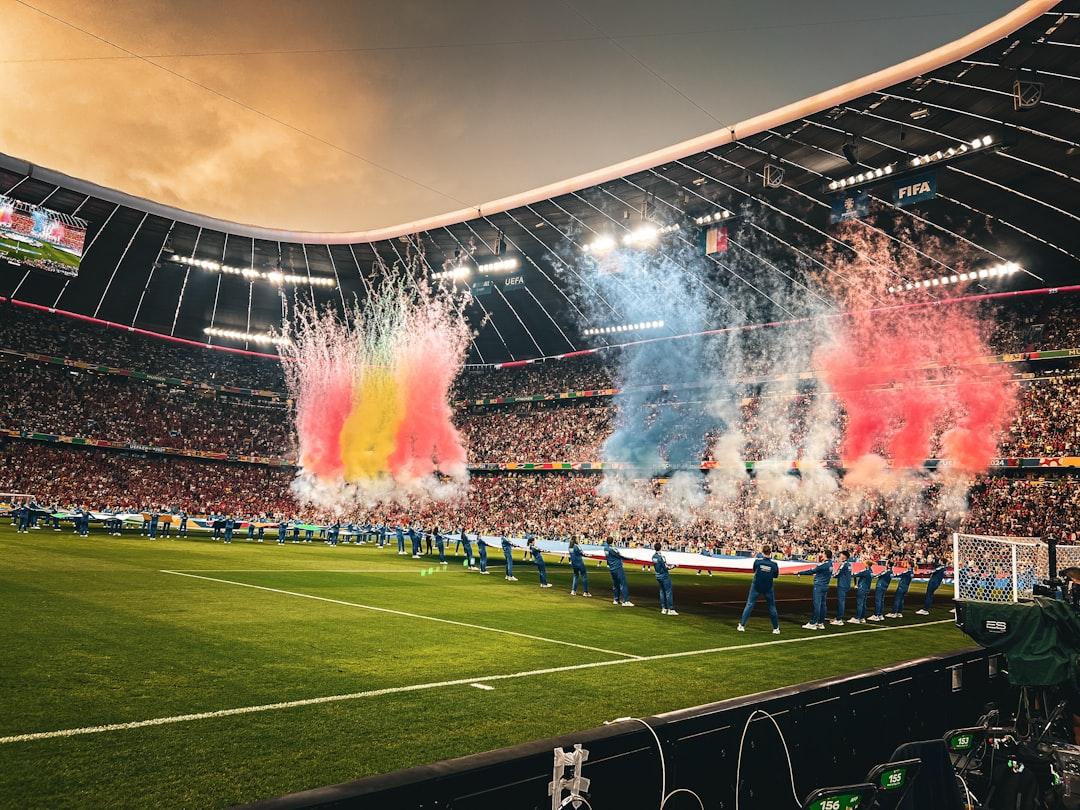
While the world fixates on the superstar players preparing to battle for football’s ultimate prize, another narrative unfolds in the shadows of the tunnel. For the referee appointed to officiate a World Cup Final, the moment of selection is accompanied by a wave of raw emotion. Often vilified by fans and scrutinized by pundits, referees are elite athletes in their own right. To be handed the whistle for a clash of giants—such as a historic Spain vs. Argentina final—is the absolute pinnacle of a lifelong, often thankless career.
This emotional reaction highlights a side of sports journalism that is rarely explored: the human element of officiating. Behind the clinical decisions, the yellow cards, and the VAR consultations is an individual carrying the weight of billions of expectations, knowing that a single split-second mistake could define their legacy forever.
To understand the magnitude of refereeing a World Cup Final, one must look at the journey. Much like the players on the pitch, elite referees spend decades working their way through youth leagues, domestic divisions, and continental tournaments. They endure physical fitness tests that rival those of professional midfielders, intense psychological evaluations, and relentless public abuse.
When FIFA’s refereeing committee announces the officiating crew for the final, it is not merely an assignment; it is a coronation. The emotional response of the chosen referee—often marked by tears, disbelief, and immediate calls to family—reveals the intense personal sacrifice required to reach this stage. For a referee, this match is their World Cup trophy. It is the validation of a lifetime spent pursuing perfection in a game designed to expose human error.
A World Cup Final featuring footballing powerhouses like Spain and Argentina presents a masterclass in tactical and psychological complexity. For the officiating crew, this is not just a physical challenge, but a chess match against some of the most cunning minds in sports.
- Contrast in Styles: Spain’s mesmerizing, possession-heavy tiki-taka requires the referee to maintain close proximity to the ball to spot subtle, tactical fouls designed to break up counter-attacks. Conversely, Argentina’s high-intensity, emotional, and direct style demands exceptional physical conditioning to keep up with rapid transitions.
- Managing Superstar Egos: Managing world-class players requires a delicate balance of authority and empathy. A referee cannot simply rely on cards; they must use verbal communication, body language, and psychological management to prevent the match from devolving into chaos.
- The Atmospheric Pressure: With tens of thousands of passionate fans creating a cauldron of noise, verbal communication between the officiating crew becomes incredibly difficult, forcing a heavy reliance on pre-determined non-verbal cues and electronic communication systems.
We live in an era where technology has fundamentally altered the landscape of football officiating. The modern World Cup Final is a hyper-technological event, featuring semi-automated offside technology (SAOT), connected ball sensors tracking micro-movements, and a dedicated Video Assistant Referee (VAR) hub.
Yet, this technological safety net has created a paradox. Rather than relieving pressure, it has heightened the expectation of absolute perfection. The referee is no longer just an on-field judge; they are a system manager who must synthesize real-time data, communication from the VAR room, and their own physical intuition.
Furthermore, technology cannot measure intent or force. Deciding whether a challenge warrants a red card or if a handball is deliberate still relies entirely on human judgment. The referee must remain the ultimate authority, ensuring that the flow and emotional soul of the game are not lost to clinical, frame-by-frame analysis.
The cognitive load placed on a referee during a 90-minute (or 120-minute) final is staggering. Studies in sports psychology indicate that elite referees make up to 137 identifiable decisions per match, ranging from positioning adjustments to major penalty calls.
Under the global spotlight, the fear of making a match-deciding error is a constant psychological shadow. A referee must possess an elite level of "cognitive resilience"—the ability to immediately forget a mistake or a controversial call and focus entirely on the next phase of play. If a referee begins to second-guess themselves, the game can quickly spiral out of control.
When the final whistle blows and the champions celebrate amidst a shower of confetti, the officiating crew will quietly collect their commemorative medals and slip into the background. In the world of refereeing, the ultimate compliment is silence. If the football world is talking only about the brilliance of the players and the beauty of the goals rather than the decisions of the referee, the officiating crew has done their job perfectly.
As we look forward to future FIFA World Cups, appreciating the human drama, the immense pressure, and the technological mastery of the refereeing team is essential. They are not merely regulators of the rules; they are the guardians of the game's integrity, standing at the very center of sporting history.
Enjoying this article?
Get the daily AI briefing sent straight to your inbox.
Frequently Asked Questions
How are referees selected for the World Cup Final?
Referees are selected by the FIFA Referees Committee based on their performance throughout the tournament, physical fitness, psychological resilience, and ability to manage high-stakes matches without bias.
What technology supports referees in a modern World Cup Final?
Modern finals utilize Video Assistant Refereeing (VAR), semi-automated offside technology (SAOT), and connected ball technology containing inertial measurement units (IMU) to track precise touchpoints.
Why is psychological resilience so important for elite referees?
Referees make over 130 decisions per match under global scrutiny. They must possess the cognitive resilience to immediately move past errors to prevent losing control of the game.
Comments
0Please sign in to leave a comment.
Related articles
Barcelona's Marc-André ter Stegen Returns to Training Amid Stalled Ajax Loan
Barcelona veteran Marc-André ter Stegen has resumed pre-season training, signaling a temporary pause in his expected transfer to AFC Ajax.
The Return of Club Football: Fans Demand Identity and Trophies
With club football returning to the spotlight, fans are prioritizing tactical identity and championship glory in a season filled with high expectations.
Liverpool FC Identifies Top Midfield Target as Transfer Window Heats Up
Liverpool FC has officially identified its priority midfield target, moving past rumors to focus on a strategic addition to their engine room.