For over a decade, the stock market’s heartbeat was measured by the performance of FAANG—Facebook (Meta), Apple, Amazon, Netflix, and Google. These five companies became the undisputed architects of modern tech wealth, defining growth trajectories and investor sentiment. However, the market is currently undergoing a structural pivot. The era of the established consumer internet giants is being challenged by a new, more specialized, and highly capital-intensive acronym: MANGOS.
This new cohort—comprising Meta (or Microsoft, depending on the analyst), Anthropic, Nvidia, Google, OpenAI, and SpaceX—represents a fundamental shift in where the smart money is flowing. Unlike the social media and e-commerce giants of the last decade, these companies are defined by their deep-tech foundations, focusing on generative artificial intelligence, large language models, and the commercialization of space exploration. As several members of this group edge closer to public market debuts, investors are bracing for what promises to be a transformative IPO summer.
The transition from FAANG to MANGOS is not just a change in nomenclature; it reflects a change in the underlying value proposition of the tech sector. The previous generation of tech leaders thrived on user acquisition, network effects, and digital advertising. In contrast, the MANGOS group is built on massive infrastructure requirements, proprietary model training, and the high-stakes engineering of physical hardware.
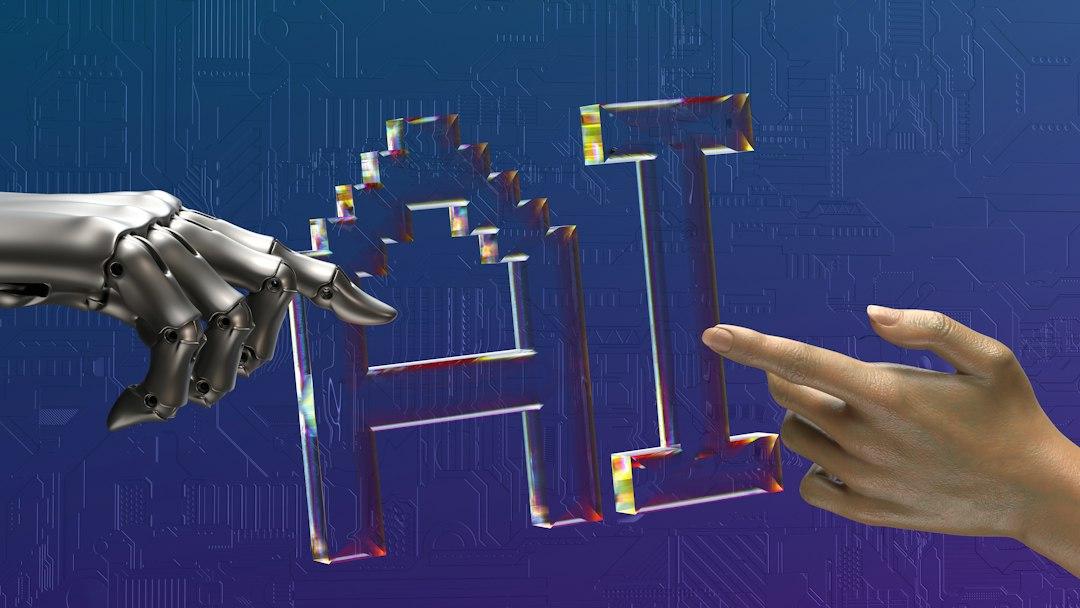
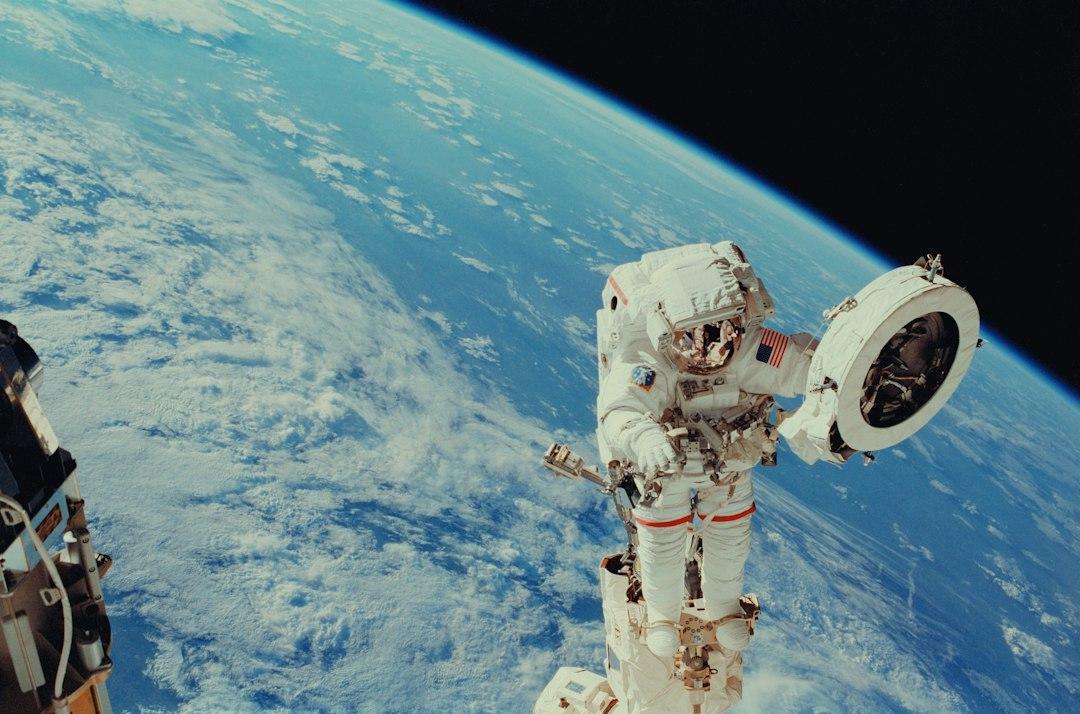
Investors are now tasked with evaluating companies that are essentially trying to build the future of human capability. For instance, SpaceX is not merely a launch provider; it is the backbone of global satellite communications and the primary vehicle for interplanetary logistics. Similarly, OpenAI and Anthropic are competing to define the standard for artificial general intelligence (AGI), an endeavor that requires billions of dollars in compute power and research talent.
The anticipation surrounding potential IPOs from SpaceX, Anthropic, and OpenAI serves as a massive stress test for the global financial system. Valuing these companies is significantly more complex than valuing traditional SaaS (Software as a Service) firms. Analysts are currently grappling with several key factors:
- Capital Expenditure (CapEx): The sheer amount of money required to train frontier AI models or develop reusable rockets is unprecedented, putting immense pressure on cash flow.
- Regulatory Uncertainty: As these companies grow, they face increasing scrutiny regarding AI safety, data privacy, and government contracts, which could impact long-term stock stability.
- Market Saturation: Investors must determine if the public market has the appetite to absorb several massive IPOs within the same window without cannibalizing liquidity from other tech sectors.
For the average investor, the potential public listing of these companies represents a rare opportunity to own a piece of the "picks and shovels" of the future. However, it also introduces a new level of volatility. Unlike the steady growth of the FAANG era, these companies are operating in industries where technological breakthroughs—or failures—can dictate stock prices overnight.
Industry experts suggest that the IPO window for these giants will be defined by how they manage their transition from private funding rounds to the transparency required by the SEC. For OpenAI and Anthropic, this means reconciling their mission-driven origins with the profit-driven demands of public shareholders. For SpaceX, it involves navigating the complexities of being a vital national security asset while operating as a commercial enterprise.
As we move deeper into the year, the market will be watching the MANGOS group with bated breath. If these companies successfully navigate their public debuts, they could usher in a new "Golden Age" of tech investment, characterized by massive innovation in space and artificial intelligence. Conversely, if the market proves unable to sustain these valuations, it could lead to a broader cooling of the tech sector.
What remains clear is that the old guard of FAANG is no longer the sole driver of market momentum. The future of the public markets is being written in laboratories, data centers, and rocket hangars. Whether you are a institutional investor or a retail trader, the rise of the MANGOS era is an essential development to watch.