- The 2026 FIFA World Cup achieved record-breaking viewership in North America, successfully merging with the 'America 250' celebrations.
- A hybrid broadcasting strategy between Fox (linear) and Peacock (streaming) proved essential for capturing diverse demographic segments.
- The tournament successfully navigated political polarization, positioning soccer as a mainstream, unifying cultural force in the U.S.
- Ad inventory reached record highs, signaling a permanent shift in how American brands value global soccer events.
The North American Renaissance: Decoding the Record-Breaking Media Success of FIFA World Cup 2026
How Fox, Telemundo, and Peacock turned a 39-day tournament into a cultural phenomenon that defied political polarization.
Jul 7, 2026·0 views
Key Takeaways
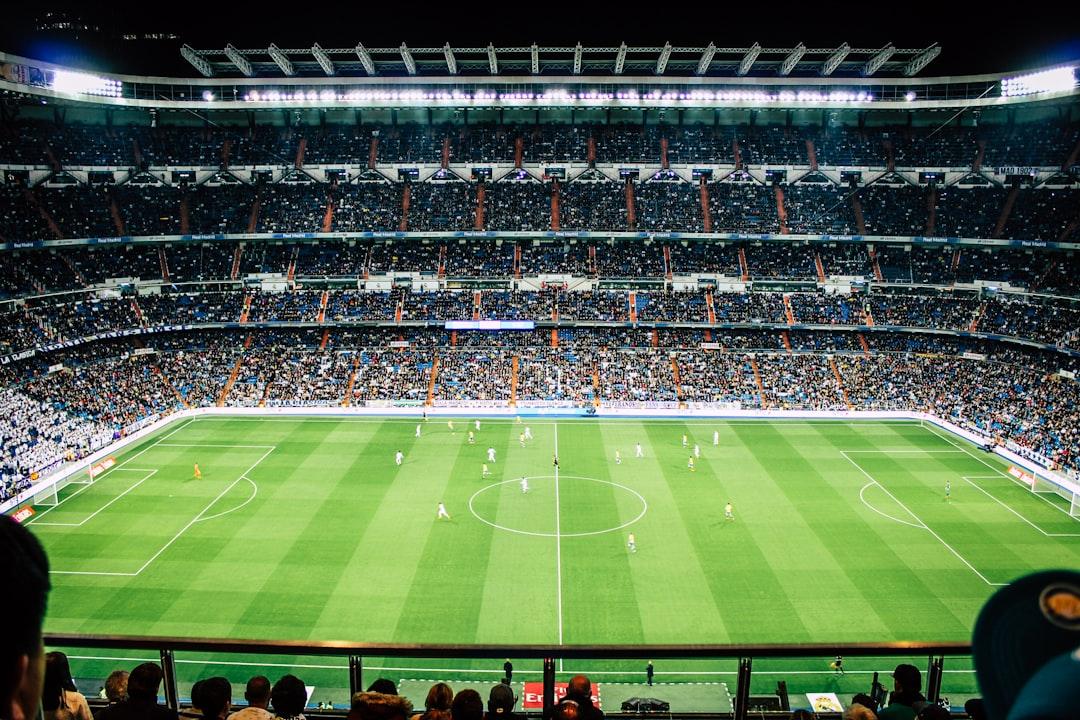
The 2026 FIFA World Cup arrived on North American soil not just as a sporting event, but as a high-stakes cultural litmus test. For decades, the narrative surrounding soccer in the United States was one of 'potential'—a sport forever on the verge of breaking through. This year, that breakthrough didn't just happen; it erupted. Despite a backdrop of political polarization and the complex logistics of a tri-national tournament, the 39-day competition has redefined the American sports media landscape.
Broadcasting giants Fox, Telemundo, and Peacock didn't just report on the games; they curated a multi-platform experience that resonated with a diverse, tech-savvy audience. By aligning the tournament with the 'America 250' celebrations, organizers and broadcasters managed to weave the 'beautiful game' into the very fabric of national identity, creating a 'pop culture sizzle' that traditional American sports leagues are now scrambling to emulate.
One of the most significant takeaways from the 2026 tournament is the seamless integration of linear television and digital streaming. Fox Sports leveraged its terrestrial reach to capture the casual viewer, while Telemundo and Peacock dominated the Spanish-language and streaming demographics. This 'pincer movement' strategy ensured that whether a fan was watching in a traditional living room setting or on a mobile device during a commute, the World Cup was inescapable.
- Fox Sports: Focused on high-production value and localized storytelling, making the global game feel like a home-grown event.
- Telemundo: Tapped into the deep-rooted passion of the Hispanic community, delivering record-breaking Spanish-language engagement.
- Peacock: Proved the viability of live sports streaming at scale, handling massive concurrent traffic without the latency issues that have plagued prior digital-first events.
The data suggests that the 'streaming-first' mentality of Gen Z and Millennial fans has finally matured. Peacock’s ability to offer multi-view cameras, real-time analytics, and social integration turned passive viewing into an interactive social event, driving engagement metrics far beyond simple viewership numbers.
Heading into the tournament, there were valid concerns about how a globalist sport like soccer would play in a climate of increasing nativism and political division. However, the 2026 World Cup proved that sports remain one of the few remaining 'big tents' in American life. The success of the U.S. Men’s National Team (USMNT) served as a unifying catalyst, but the interest extended far beyond domestic loyalty.
Viewership for matches involving Mexico, Canada, and European powerhouses like France and England saw double-digit growth compared to 2022. This indicates a maturing palette among North American sports fans who are now consuming soccer for the quality of the play, not just nationalistic fervor. The tournament effectively rebranded soccer from an 'immigrant sport' or a 'suburban youth sport' into a premium entertainment product that rivals the NFL in cultural relevance during its peak windows.
The collision of the World Cup with the 250th anniversary of the United States could have been a distraction. Instead, it was a marketing masterstroke. Broadcasters used the patriotic fervor of the semi-quincentennial to frame the tournament as a celebration of North American hospitality and organizational prowess. This synergy allowed brands to spend record amounts on advertising, knowing they were reaching an audience that was already in a celebratory, high-consumption mindset.
Industry analysts note that the 'halo effect' of America 250 helped bridge the gap for advertisers who might have previously been hesitant to invest heavily in soccer. The result was a sell-out of ad inventory months in advance, with premium spots commanding prices usually reserved for the Super Bowl or the NBA Finals.
The success of the 2026 World Cup has permanent implications for the future of sports rights. We are likely to see a shift in how the 'Big Four' American leagues (NFL, NBA, MLB, NHL) approach their broadcasting partnerships. The World Cup proved that a hybrid model—where high-profile matches are on free-to-air TV while deep-dive content and alternative broadcasts live on streaming—is the most effective way to maximize reach and revenue.
Furthermore, the 'pop culture sizzle' generated by this tournament has solidified soccer's place in the American commercial calendar. We can expect to see increased investment in Major League Soccer (MLS) and the NWSL as brands look to maintain the momentum generated this summer. The 2026 World Cup didn't just end with a trophy presentation; it signaled the start of a new era where North America is the undisputed commercial heart of global soccer.
As the dust settles on the 2026 FIFA World Cup, the legacy is clear. Fox, Telemundo, and Peacock have set a new gold standard for sports broadcasting. They navigated a complex socio-political environment to deliver a tournament that was both a ratings juggernaut and a cultural milestone. For the first time in history, the question isn't whether soccer will 'make it' in America—it’s how much further the sport can go now that it has officially arrived.
Enjoying this article?
Get the daily AI briefing sent straight to your inbox.
Frequently Asked Questions
How did the 2026 World Cup impact streaming services like Peacock?
The tournament was a watershed moment for Peacock, which saw record-breaking concurrent viewership and demonstrated that streaming platforms can handle massive live sports events with high stability and interactive features.
Did the 'America 250' celebrations help or hurt World Cup ratings?
The celebrations acted as a massive tailwind, creating a patriotic and celebratory atmosphere that broadcasters used to increase ad revenue and cultural engagement across the United States.
Is soccer now considered a 'major' sport in the U.S. after 2026?
Yes, the 2026 World Cup data suggests that soccer has moved past its 'niche' status, with viewership and cultural 'sizzle' now rivaling established American leagues like the NBA and MLB.
Comments
0Please sign in to leave a comment.
Related articles
The Seattle Heartbreak: Analyzing the USMNT’s 2026 World Cup Exit and the Road Ahead
The U.S. Men’s National Team’s journey in the 2026 FIFA World Cup came to a jarring halt in Seattle. While the ratings soared to NFL-level heights, the performance on the pitch revealed a significant gap between North American ambition and European execution.

Herb Alpert & The Tijuana Brass Make Triumphant Hollywood Bowl Return After 59 Years
Herb Alpert & The Tijuana Brass captivated a sold-out Hollywood Bowl audience, marking their first appearance at the iconic venue in 59 years. The historic concert showcased the band's timeless sound and frontman Herb Alpert's unparalleled showmanship.
The Frozen Muse: Inside Zendaya’s Grueling Debut in Christopher Nolan’s ‘The Odyssey’
Zendaya’s first day on the set of Christopher Nolan’s ‘The Odyssey’ was a trial by ice. We explore the grueling reality of practical filmmaking, Nolan's uncompromising vision, and what this partnership means for the future of the blockbuster.