- Cape Verde pushed defending champions Argentina to the absolute limit, losing 3-2 only after extra time due to a heartbreaking own goal.
- The match highlighted a masterclass in tactical discipline by Cape Verde, who successfully neutralized Argentina's creative midfield through a compact mid-block and rapid transitions.
- This historic performance underscores the closing gap in global football, driven by better tactical literacy, globalized scouting, and the integration of diaspora talent.
- Despite the exit, Cape Verde's valiant display provides a blueprint for emerging football nations and cements their legacy in World Cup folklore.
The Night Giants Trembled: How Cape Verde's Valiant Stand Against Argentina Redefined World Cup History
A tactical and cultural analysis of a 3-2 extra-time thriller that proved the gap in global football has officially closed.
Jul 4, 2026·0 views
Key Takeaways
The FIFA World Cup has always been a canvas for the extraordinary, a stage where geopolitical boundaries fade and sporting meritocracy reigns supreme. Yet, few chapters in the tournament's modern history will read as poetically as the night Cape Verde—a tiny volcanic archipelago of just over half a million people—stood toe-to-toe with the reigning world champions, Argentina.
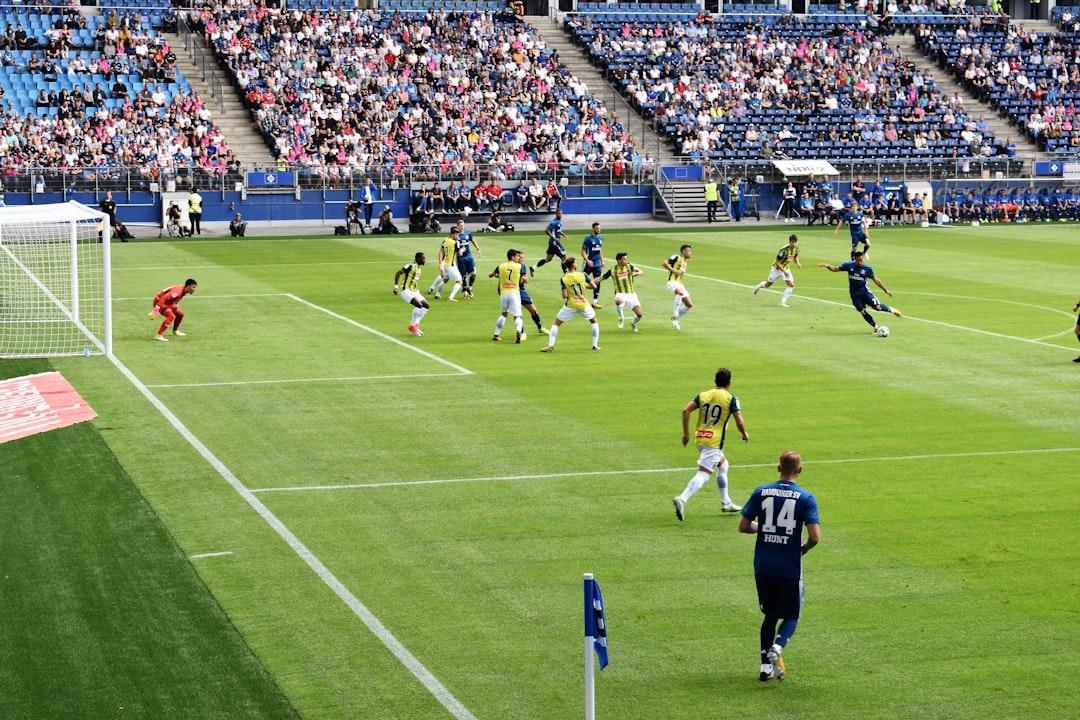
In a gripping round-of-16 clash that will be studied by tacticians for years to come, Argentina escaped with a 3-2 victory after extra time. But while the Albiceleste marched on, it was Cape Verde who captured the global imagination, proving that the traditional hierarchy of international football is undergoing a seismic shift.
To understand the scale of Cape Verde's achievement, one must look at the sheer disparity in resources, footballing heritage, and market value between the two squads. Argentina, boasting some of the most expensive and celebrated talents in European club football, expected a routine path to the quarter-finals. Cape Verde, conversely, fielded a squad largely comprised of players from mid-tier European leagues and domestic academies.
Yet, on the pitch, these disparities evaporated. The match unfolded not as a desperate defensive siege, but as a highly tactical, high-octane chess match:
- The Early Blow: Argentina took an expected early lead, exploiting space in the channels to break Cape Verde's initial defensive line.
- The Resilient Response: Rather than collapsing, Cape Verde adjusted their pressing triggers. A brilliant counter-attacking sequence saw them equalize before the break, exposing structural vulnerabilities in the Argentine transition defense.
- The Double Salvo: After Argentina restored their lead in the second half, Cape Verde struck back yet again. Utilizing superior aerial mechanics and sheer physical determination, they leveled the score at 2-2, sending the stadium into absolute pandemonium.
- The Heartbreaking Decider: It took 120 minutes of grueling football and a cruel, deflected extra-time own goal to finally separate the sides.
Cape Verde's performance was not a product of mere luck; it was a masterclass in modern tactical discipline. Head coach Bubista set up a compact mid-block that successfully denied Argentina's creative midfielders space in the half-spaces.
By deploying a fluid 4-1-4-1 defensive shape that transitioned into a lethal 4-3-3 on the counter, the Blue Sharks exploited Argentina's high defensive line. They targeted the space behind Argentina's attacking fullbacks, utilizing rapid transitional passing and verticality. This tactical bravery forced Argentina to commit more defensive cover, effectively neutralizing their offensive fluidity and forcing them into a grueling war of attrition.
Furthermore, Cape Verde's physical conditioning was exemplary. Playing in high-humidity conditions, they matched the South American giants stride for stride, winning the majority of second-ball duels and maintaining tactical cohesion even as fatigue set in during extra time.
This historic encounter is emblematic of a broader trend in global football: the democratization of the sport. Several factors have contributed to the narrowing gap between traditional powerhouses and emerging nations:
- Globalized Scouting and Academies: The proliferation of high-performance academies across Africa, coupled with sophisticated scouting networks, has allowed young talent to access elite coaching much earlier in their development.
- Tactical Literacy: Advanced video analysis and data metrics are no longer the exclusive domain of wealthy federations. Smaller nations now prepare with the same level of analytical detail as their elite counterparts.
- The Diaspora Effect: Cape Verde has masterfully integrated players from its vast global diaspora, combining European tactical education with the raw passion of representing their ancestral homeland.
While the record books will show an Argentine victory, the cultural and psychological impact of this match belongs to Cape Verde. They did not merely participate; they competed, dominated phases of play, and forced the world's best to resort to defensive desperation.
For African football, this match serves as a powerful proof of concept. It demonstrates that with structural organization, tactical clarity, and psychological belief, any nation can challenge the established elite. Cape Verde did not just exit the World Cup; they immortalized themselves in its folklore, leaving an indelible blueprint for future giant-killers to follow.
Enjoying this article?
Get the daily AI briefing sent straight to your inbox.
Frequently Asked Questions
What was the final score of the Cape Verde vs Argentina match?
Argentina defeated Cape Verde 3-2 after extra time (A.E.T.) in a highly competitive World Cup knockout match.
How did Cape Verde manage to challenge Argentina so effectively?
Cape Verde utilized a disciplined 4-1-4-1 mid-block that transitioned into a rapid 4-3-3 on the counter, exploiting Argentina's high defensive line and matching them physically throughout the 120 minutes.
What does this match mean for the future of African football?
It signals the democratization of global football, proving that smaller nations with tactical organization, diaspora talent, and robust preparation can compete equally with traditional South American and European powerhouses.
Comments
0Please sign in to leave a comment.
Related articles
Plymouth Parkway Boss Karl Curtis Eyes EFL Clash in Historic FA Cup Run
Plymouth Parkway has reached the FA Cup first round for the first time in club history, with manager Karl Curtis eager to test his squad against an EFL powerhouse.
Juventus Injury Crisis: Francisco Conceição Sidelined After Lazio Defeat
Juventus faces a major setback after Francisco Conceição was sidelined with an injury following their 3-0 defeat to Lazio, complicating their Serie A campaign.
Sevilla Duo Slam VAR Decision in Controversial Clash Against Real Madrid
Sevilla players have publicly questioned VAR's inconsistency following their 4-1 loss to Real Madrid, specifically highlighting a missed red card incident involving Arda Guler.