- Spain set a historic World Cup record by keeping five consecutive clean sheets in their first five matches of the tournament.
- The achievement highlights a major tactical shift for La Roja, moving from pure possession-based play to a highly disciplined, pragmatic defensive structure.
- Spain neutralized a potent Portuguese attack in the Round of 16 through superior rest-defense positioning and intelligent pressing triggers.
- This defensive record surpasses even the legendary 2010 Spanish championship team, which conceded during the group stages.
The New Defensive Dynasty: How Spain’s Historic Clean-Sheet Record Redefines Modern Tournament Football
Beyond Tiki-Taka: Analyzing the tactical evolution that propelled La Roja to an unprecedented five consecutive World Cup shutouts.
Jul 7, 2026·0 views
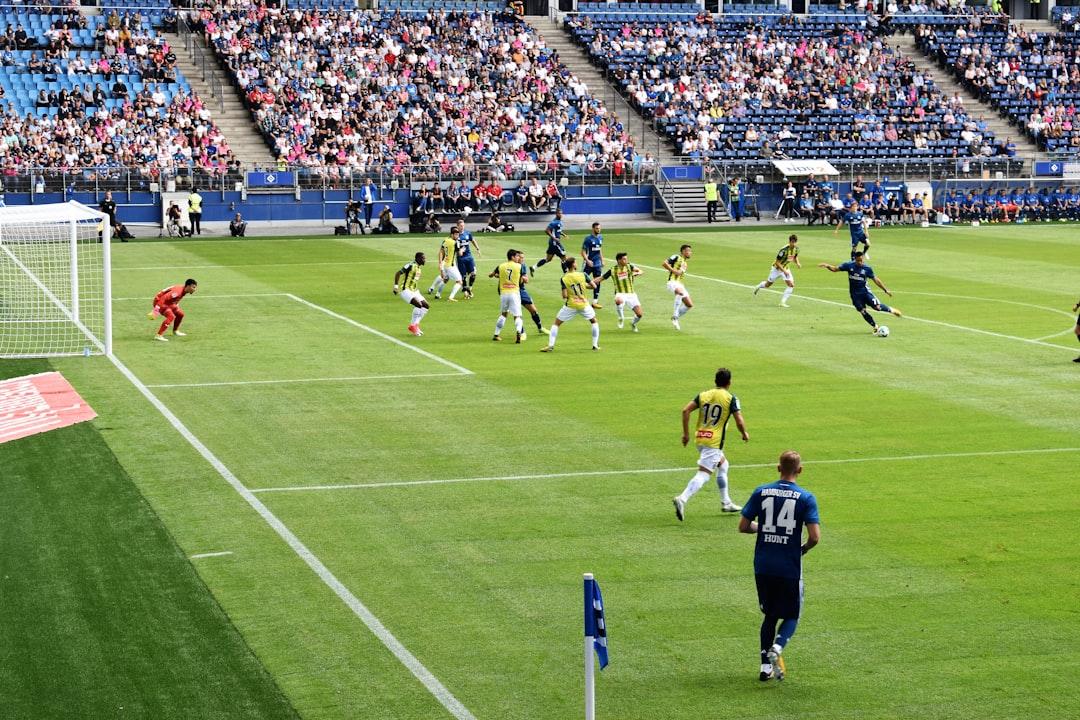
Key Takeaways
In the high-stakes pressure cooker of the World Cup knockout stages, defensive resilience often separates champions from contenders. Spain’s tense 1-0 victory over Portugal in the Round of 16 did more than just book their place in the quarter-finals; it etched this squad into the annals of football history. With this victory, La Roja became the first men's national team ever to keep a clean sheet in each of their first five matches of a single World Cup tournament.
For a nation historically celebrated for its fluid, possession-based tiki-taka style, this defensive milestone marks a profound evolution in Spanish football philosophy. It signals a shift from using possession purely as an offensive weapon to employing structural, suffocating defensive organization that leaves opponents with zero margin for error.
To appreciate the scale of Spain's achievement, one must look at the historical context of the World Cup. Legendary defensive units—such as Italy’s 2006 champions or France’s 1998 victors—built their triumphs on rock-solid backlines, yet none managed to prevent their opponents from scoring in all five opening matches.
Spain’s defensive record is not merely a product of elite goaltending or fortunate deflections; it is the result of a highly coordinated tactical system. Under their current tactical setup, Spain has successfully blended two distinct defensive strategies:
-
Rest-Defend Structure: When Spain attacks, their defensive line and holding midfielders maintain a highly disciplined 'rest-defense' posture. This prevents opponents from exploiting transition moments, which is where modern counter-attacking teams are most lethal.
-
Intelligent Pressing Triggers: Rather than chasing the ball relentlessly, Spain now employs zonal pressing triggers. They allow opponents to pass in non-threatening areas but aggressively close down passing lanes once the ball enters the middle third.
This hybrid approach has allowed Spain to control games even when they do not have 70% of the possession, representing a pragmatic maturation of the Spanish footballing identity.
The Round of 16 clash against Portugal was the ultimate test for this defensive system. Boasting one of the most dynamic attacking units in international football, Portugal presented a multifaceted threat with elite wingers and physical forwards. Yet, Spain managed to render them largely anonymous over 90 minutes.
The battle was won in the half-spaces. Spain's central defenders worked in perfect tandem with their defensive midfielders to deny Portugal’s playmakers space between the lines. By cutting off the supply chain to the flanks, Spain forced Portugal into low-probability long-range efforts and speculative crosses, which were easily collected by Spain's commanding goalkeeper.
Furthermore, Spain’s ability to transition into a compact low block during the final minutes of the match demonstrated a mental fortitude that past Spanish generations sometimes lacked. They no longer panic when forced to defend deep inside their own penalty box.
This historic run inevitably invites comparisons to the iconic Spain squad of 2010. While Vicente del Bosque’s side won the tournament by grinding out four consecutive 1-0 victories in the knockout stages, they had already conceded in the group stage (a 1-0 loss to Switzerland).
This modern iteration has achieved what the golden generation could not: absolute defensive perfection from the opening whistle of the tournament. The synergy between the center-back pairing and the defensive midfield screen has drawn comparisons to the classic Italian Catenaccio, but modernized with modern high-pressing principles.
As the tournament progresses into the deeper rounds, the physical and mental toll on squads increases exponentially. However, history shows that defense wins championships. By establishing an impenetrable psychological barrier, Spain has forced future opponents to rethink their entire attacking strategies.
To break down Spain, rival managers will have to take immense risks, potentially exposing themselves to Spain's underrated counter-attacking capabilities. Whether this record-breaking run culminates in lifting the trophy remains to be seen, but one thing is certain: Spain has rewritten the blueprint for modern international tournament success. Possession is no longer just about scoring; it is about ensuring the opposition never gets the chance.
Enjoying this article?
Get the daily AI briefing sent straight to your inbox.
Frequently Asked Questions
What record did Spain break in the World Cup?
Spain became the first men's national team in World Cup history to keep a clean sheet in each of their first five matches of a single tournament.
How did Spain defeat Portugal in the Round of 16?
Spain defeated Portugal 1-0 through a disciplined defensive performance that neutralized Portugal's attack, combined with clinical execution to secure the winning goal.
How does this squad compare to the 2010 World Cup-winning Spain team?
While the 2010 team kept four clean sheets in the knockout rounds, they conceded a goal in their opening group-stage match against Switzerland. The current squad is the first to maintain five consecutive clean sheets from the start of the tournament.
Comments
0Please sign in to leave a comment.
Related articles
USA's World Cup Dream Ends in Seattle: Belgium Advances in Tense Last-16 Clash
The United States men's national team's journey in the World Cup came to an end in the Last 16, suffering a 2-1 defeat to Belgium at Seattle Stadium. Despite a resilient equalizer from Malik Tillman, a nervy start and a late Belgian winner sealed their fate, leaving the co-hosts to ponder lessons learned for the 2026 tournament.
FIFA Defends Referee Amid High-Stakes Intervention by Donald Trump
FIFA has formally backed a referee criticized by Donald Trump, following a high-profile intervention regarding the suspension of striker Folarin Balogun.

US Defensive Meltdown: Belgium Capitalizes on Goalkeeping Howlers
The US national team faces a defensive crisis in their World Cup clash against Belgium, marked by costly errors and a goalkeeper mistake that stunned spectators.