- The 2026 World Cup is defined by a significant shift toward aggressive, attacking football.
- Tactical innovations like high-pressing and advanced analytics are fueling a record number of goals.
- Modern superstars are now required to contribute defensively, which improves their efficiency in the final third.
- The tournament is seeing a narrowing gap between teams due to the widespread adoption of high-intensity systems.
The Evolution of Attack: How the 2026 World Cup is Redefining Football
Modern tactical shifts and high-octane offensive strategies are turning the 2026 FIFA World Cup into the most goal-heavy tournament in history.
Jul 5, 2026·0 views
Key Takeaways
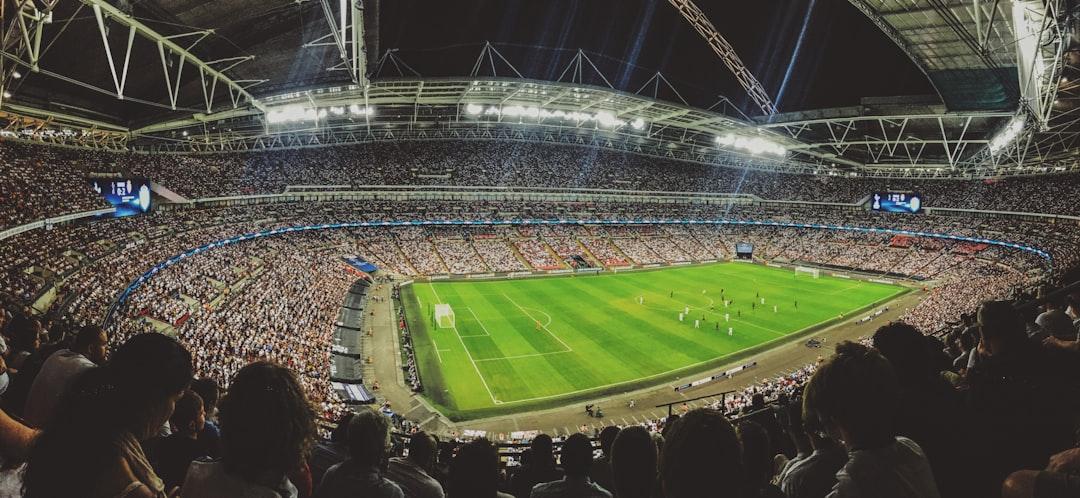
The 2026 FIFA World Cup is proving to be a watershed moment for the beautiful game, signaling a definitive shift toward high-octane, aggressive, and relentless attacking play. As the tournament progresses, spectators and analysts alike are witnessing a departure from the conservative, defensive-minded tactics that dominated the late 20th century. In their place, we are seeing a tactical revolution characterized by high pressing, rapid transitions, and a commitment to offensive flair that has turned every fixture into a high-stakes spectacle.
For decades, international football was often criticized for being more cautious than the domestic club game. The logic was simple: national teams, with limited training time, prioritized defensive stability to avoid costly errors. However, the 2026 tournament has shattered these conventions. Modern players, conditioned by the high-intensity systems of top-tier club football in leagues like the Premier League and La Liga, are bringing that same intensity to the global stage.
Several factors are contributing to this surge in offensive output. At the heart of this transformation is the evolution of the 'press.' Teams are no longer content to sit back and absorb pressure; instead, they are hunting the ball in the opponent's third, forcing turnovers that lead to immediate, high-quality scoring chances.
- High-Intensity Pressing: Teams are spending more time in the opposition's half, creating chaos that defensive lines struggle to manage.
- Versatile Fullbacks: Modern fullbacks are functioning as auxiliary wingers, stretching the pitch and creating numerical advantages in wide areas.
- Data-Driven Preparation: Coaches are using advanced AI-driven analytics to identify defensive weak points in real-time, allowing for rapid tactical adjustments during matches.
- The 'Super-Sub' Impact: With the continued use of five substitutions, managers are able to maintain a high tempo for the full 90 minutes, ensuring that attacking lines remain fresh and dangerous late into the game.
One of the most compelling narratives of the 2026 World Cup is how the game’s biggest superstars are integrating into these high-pressure systems. Historically, marquee players were often given a 'free role' that excused them from defensive duties. Today, that luxury is virtually non-existent. Even the most prolific strikers are now expected to contribute to the defensive shape, a change that has paradoxically led to more goals. By winning the ball higher up the pitch, these players find themselves in more dangerous positions with less defensive cover to bypass.
This trend has created a virtuous cycle. As teams realize that attacking football is not just exciting but also effective, they are abandoning the 'park the bus' mentality. The result is an open, end-to-end style of play that keeps fans on the edge of their seats from the opening whistle to the final stoppage-time goal.
For the casual viewer and the die-hard fanatic alike, this shift has been a breath of fresh air. The 2026 World Cup is being hailed as the most entertaining iteration of the tournament in the modern era. Engagement metrics are climbing, with social media discourse dominated by highlight-reel goals and tactical debates rather than complaints about stagnant, defensive stalemates.
Furthermore, the diversity of playing styles has been remarkable. While the heavy hitters of Europe and South America continue to refine their high-pressing systems, underdog nations are finding success by adopting similarly aggressive philosophies. This democratization of attacking football means that no match is a guaranteed 'boring' affair. The gap between the traditional giants and the rising nations is narrowing, largely because tactical innovation is now more accessible than ever before.
As we look toward the business end of the tournament, the question remains: can this offensive trend hold? With the stakes rising, teams are often tempted to revert to caution. However, the evidence from the group stages and early knockout rounds suggests that the 'modern era' of football is here to stay. The fans have spoken, the coaches have adapted, and the players are delivering on the promise of a truly spectacular World Cup.
Enjoying this article?
Get the daily AI briefing sent straight to your inbox.
Frequently Asked Questions
Why is the 2026 World Cup seeing more goals than previous tournaments?
The increase in goals is largely due to the adoption of high-intensity pressing tactics and the influence of modern club football, which prioritizes aggressive transitions over defensive caution.
How are substitutions affecting the pace of 2026 World Cup games?
The rule allowing five substitutions enables managers to keep fresh, attacking players on the pitch for the full 90 minutes, maintaining a high tempo throughout the match.
Comments
0Please sign in to leave a comment.
Related articles
Ancelotti Reveals Brazil's Penalty Hierarchy: Why Vinícius Jr. Was Omitted
Carlo Ancelotti explains why star forward Vinícius Jr. was excluded from Brazil's primary penalty takers in their recent tournament exit.
FIFA Confirms Postponement of Mexico vs. England Round-of-16 World Cup Clash
FIFA has officially announced the postponement of the Mexico vs. England Round-of-16 match due to unforeseen scheduling and logistical complications.
Neymar Jr. Announces International Retirement Following Brazil’s World Cup Exit
Neymar Jr. has officially announced his retirement from international football following Brazil's shocking elimination from the 2026 World Cup.