- Cristiano Ronaldo, at age 41, has officially played his final World Cup match following Portugal's loss to Spain.
- A dramatic stoppage-time goal by Spain ended the Iberian Derby and eliminated Portugal from the tournament.
- The exit marks a major shift in global football, ending the 'Last Dance' era for one of the sport's greatest icons.
- Portugal now faces a transitional period as they look to build a new tactical identity without their longtime captain.
The End of an Era: Cristiano Ronaldo’s World Cup Journey Concludes in Heartbreak
As Spain secures a last-minute victory, the football world grapples with the departure of its most prolific icon from the grandest stage.
Jul 7, 2026·0 views
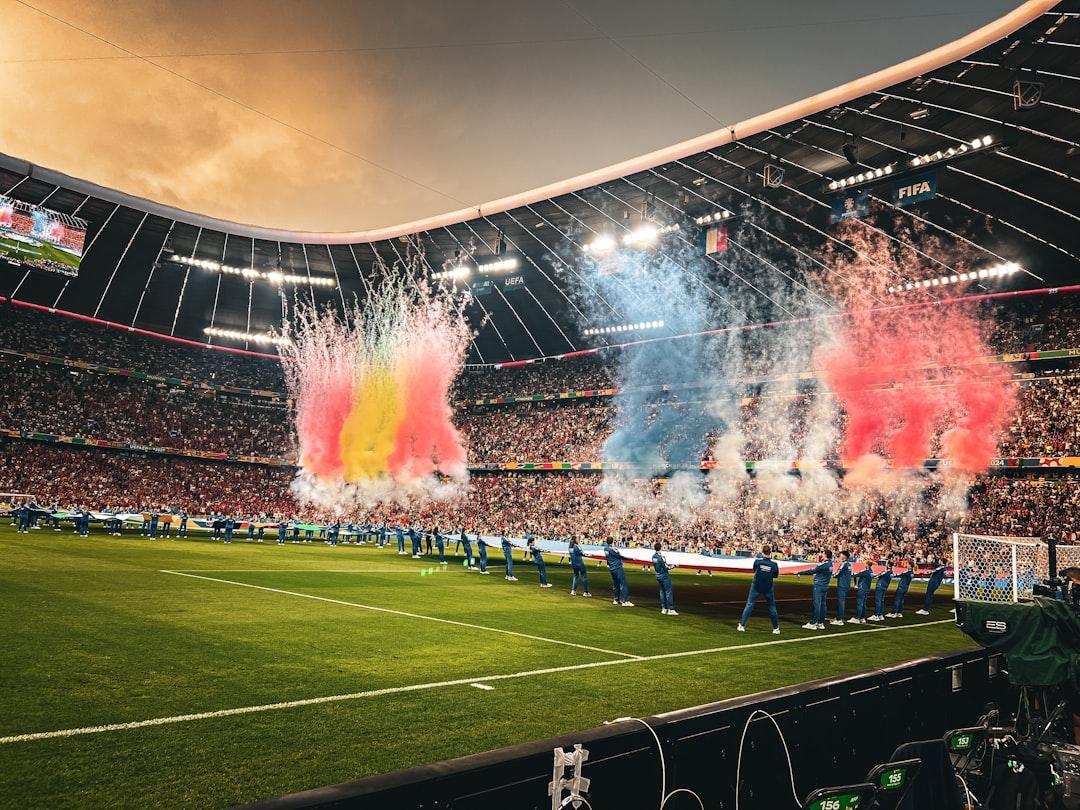
Key Takeaways
The curtains have finally drawn on one of the most storied chapters in the history of international football. As the final whistle echoed through the stadium, the image of Cristiano Ronaldo—a man who has defined the sport for over two decades—collapsing in tears signaled the end of an era that many believed would never conclude. Portugal’s exit from the FIFA World Cup at the hands of Spain was more than just a tactical defeat; it was a poignant moment of transition for the global game, marking the final international appearance on this stage for arguably the greatest player to ever wear the Portuguese colors.
At 41 years of age, Ronaldo’s journey has been a testament to longevity, discipline, and an insatiable hunger for victory. However, the stoppage-time winner from Spain served as a cruel reminder that time, the one opponent Ronaldo could never truly outpace, had finally caught up. The match, a tense Iberian Derby characterized by tactical chess and high-stakes pressure, culminated in a moment of brilliance for La Roja, leaving the Portuguese talisman to face a reality he has avoided for twenty years: the dream of a World Cup trophy remains just that—a dream.
The match itself was a masterclass in modern European football. Spain, under their philosophy of controlled possession and rhythmic passing, sought to tire a resilient Portuguese defense. Portugal, conversely, played with a pragmatic edge, looking to exploit the verticality of their younger wingers while relying on Ronaldo’s positioning in the box. For 90 minutes, the stalemate held, with both goalkeepers producing spectacular saves that kept the tension at a fever pitch.
However, in the fourth minute of stoppage time, the structural integrity of the Portuguese midfield finally faltered. A rapid sequence of one-touch passes from the Spanish interior opened a pocket of space on the edge of the area. The resulting strike was clinical, a low drive that found the bottom corner and sent the Spanish bench into a frenzy. For Portugal, there was no time for a response. For Ronaldo, there was only the realization that his final act on the world stage would not end with a trophy, but with a walk down the tunnel in solitude.
To understand the significance of this exit, one must analyze the sheer statistical anomaly that is Cristiano Ronaldo. Competing in his sixth World Cup at age 41 is a feat of physical engineering that defies the traditional aging curve of professional athletes. Throughout the tournament, Ronaldo’s role had shifted. No longer the marauding winger who could beat three defenders with a step-over, he had become a specialized predator—a focal point for the attack who demanded the attention of multiple markers.
His presence on the pitch forced opponents to adjust their defensive lines, creating space for the next generation of Portuguese talent like João Félix and Gonçalo Ramos. Yet, the burden of expectation never lightened. Every touch was scrutinized, every missed header analyzed by a global audience. In this final match, the frustration was visible. The tears at the end were not just for the loss, but for the conclusion of a pursuit that has consumed his professional life since 2006.
For the Portuguese Football Federation (FPF), the departure of Ronaldo presents a monumental challenge. For nearly two decades, the national team’s identity has been inextricably linked to CR7. He was the leader, the top scorer, and the primary marketing engine for the squad. Now, Portugal must find a new identity.
- Leadership Vacuum: With Ronaldo gone, the veteran presence of players like Bruno Fernandes and Rúben Dias will be critical in maintaining locker room stability.
- Tactical Evolution: Without a fixed focal point like Ronaldo, Portugal may move toward a more fluid, high-pressing system that utilizes the mobility of their younger forwards.
- The 'CR7' Shadow: Any new striker stepping into the number 9 role will face immediate comparison to Ronaldo’s goal-scoring record, a pressure that has broken many talented players in the past.
From an industry perspective, the exit of Cristiano Ronaldo is a significant blow to the commercial momentum of the tournament. Ronaldo is not just a footballer; he is a global brand with over 600 million followers on social media. His presence in the knockout stages guaranteed record-breaking viewership numbers in markets ranging from North America to Southeast Asia.
FIFA and tournament sponsors must now pivot their marketing strategies toward the rising stars of the game. While the 'Last Dance' narrative involving Ronaldo and Lionel Messi has dominated the headlines for the past decade, this exit confirms that the torch has been passed. The commercial viability of the sport now rests on the shoulders of the next generation—Mbappé, Haaland, and Vinícius Júnior—who must now fill the void left by a man who made the impossible seem routine.
While the history books will record that Cristiano Ronaldo never won a World Cup, his legacy is far more substantial than a single piece of silverware. He transformed Portugal from a team of talented individuals into a consistent global powerhouse, culminating in the Euro 2016 title. He redefined the standards of professional athleticism and inspired a generation of players to prioritize physical conditioning and mental resilience.
As the football world moves forward, the image of Ronaldo in tears in the stoppage time of an Iberian Derby will remain one of the most iconic moments in sports history. It was a humanizing end for a player often described as machine-like. In that moment of vulnerability, the world saw the passion that drove him to the summit of the sport. The king has left the stage, but his influence on the beautiful game will be felt for decades to come.
Enjoying this article?
Get the daily AI briefing sent straight to your inbox.
Frequently Asked Questions
Was this Cristiano Ronaldo's last World Cup?
Yes, at 41 years old, Ronaldo has confirmed that this tournament marks his final appearance on the World Cup stage for Portugal.
How did Spain beat Portugal in the World Cup knockout?
Spain secured a 1-0 victory through a decisive goal in the fourth minute of stoppage time, capitalizing on a late defensive lapse by the Portuguese side.
What is next for the Portuguese national team?
Portugal is expected to undergo a significant rebuilding phase, focusing on young talents like Gonçalo Ramos and João Félix to lead a more fluid attacking system.
Comments
0Please sign in to leave a comment.
Related articles
Athletic Club Crisis: Gorka Guruzeta Out for Season With ACL Injury
Athletic Club confirms Gorka Guruzeta will miss the remainder of the season after suffering a season-ending cruciate ligament injury against Valencia CF.
Napoli Star Alisson Santos Faces Another Injury Setback After Return
Napoli’s momentum hits a snag as Alisson Santos suffers a fresh injury blow immediately following his return to the pitch.
Kamari Doyle Urges Leicester City to Build Momentum After Doncaster Victory
Leicester City midfielder Kamari Doyle believes the club's recent triumph over Doncaster is the catalyst needed to spark a consistent winning streak.