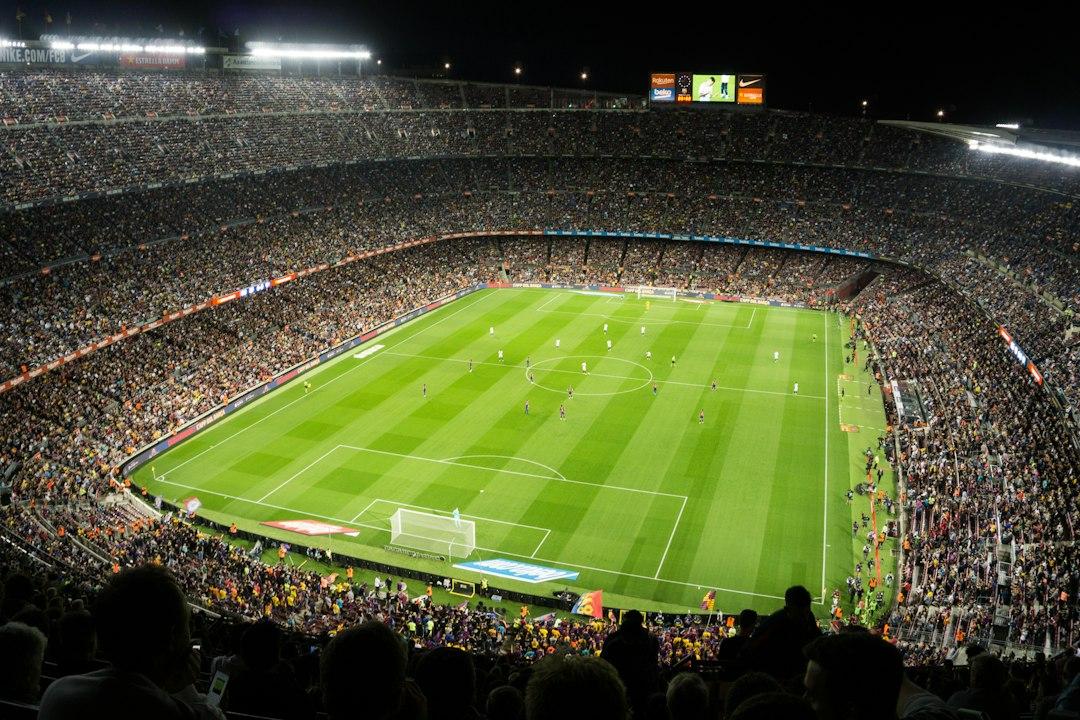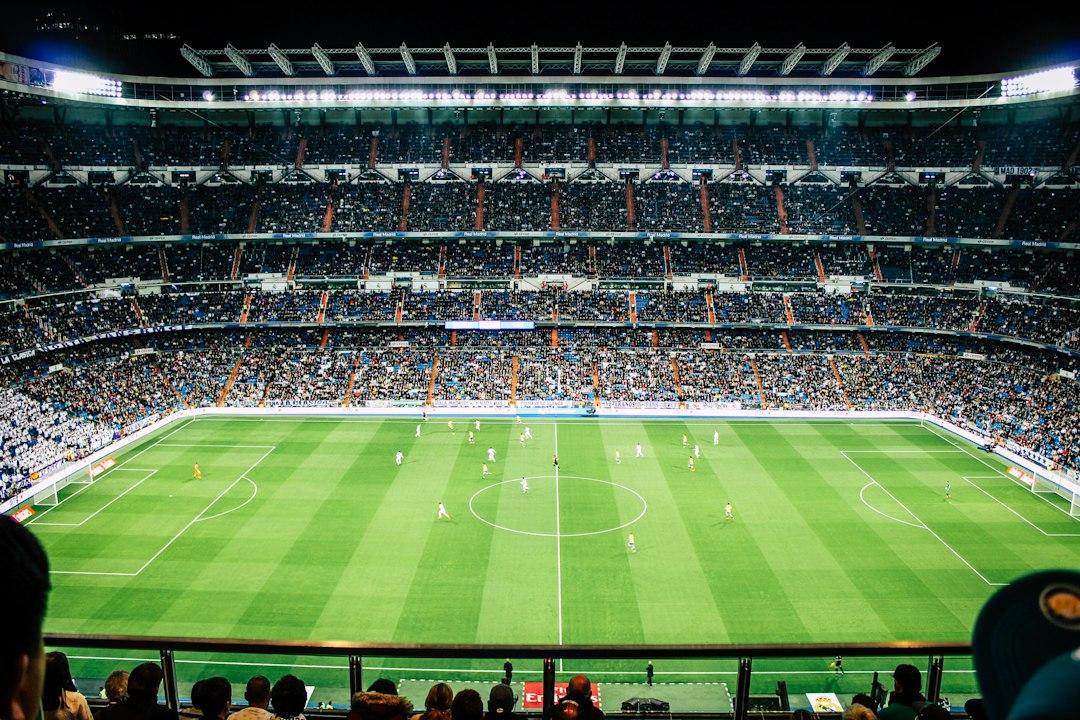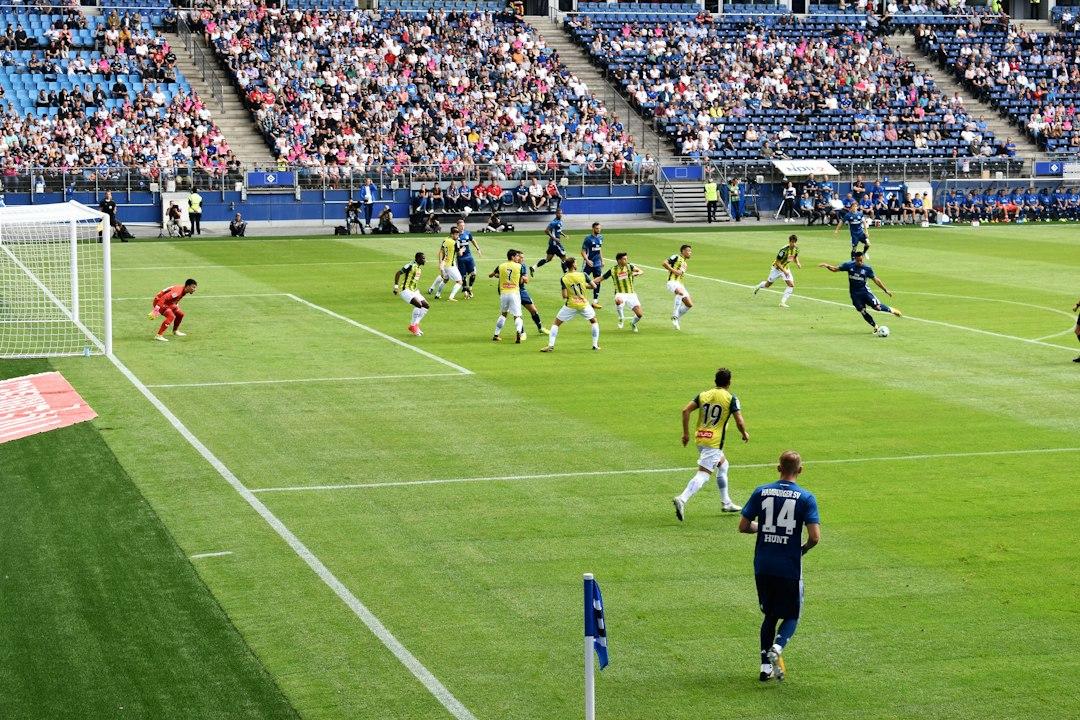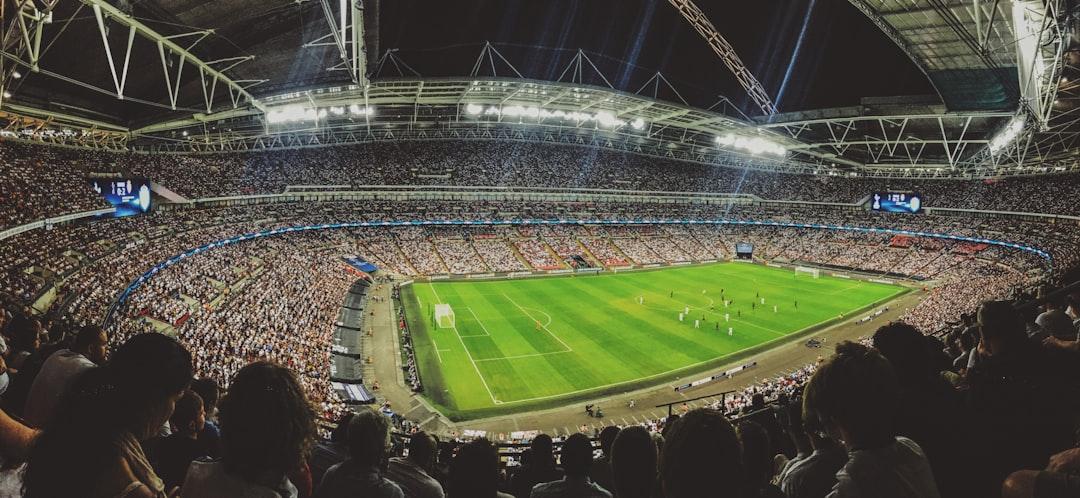
When Erling Haaland found the back of the net in the dying minutes of Norway’s group stage finale against Ivory Coast, the roar in the stadium was matched only by the frantic data spikes in FIFA’s high-performance center. For the casual observer, it was a moment of individual brilliance. For the technical analysts at iMai, it was a masterclass in the application of biomechanical data and predictive positioning.
Haaland, often jokingly referred to as a "cyborg" due to his mechanical efficiency, serves as the perfect avatar for the 2026 World Cup’s technological shift. This tournament marks a turning point where AI-driven insights are no longer just post-match curiosities; they are real-time tactical tools. Norway’s progression to the Round of 16 is not merely a story of a small nation over-performing, but a case study in how the democratization of elite sports tech can level the playing field against traditional powerhouses.
The 2026 World Cup has seen the full integration of the FIFA Football Data Ecosystem. Every movement on the pitch—from Haaland’s explosive 30-meter sprint to the Ivory Coast defensive line's shifting geometry—was captured by high-resolution optical tracking cameras and a sensor embedded within the match ball.
- Semi-Automated Offside Technology (SAOT): In the buildup to the winning goal, SAOT utilized 12 dedicated tracking cameras to monitor 29 data points on each player, 50 times per second. This ensured that Haaland’s marginal positioning was validated within seconds, preventing the momentum-killing delays of previous VAR iterations.
- Kinetic Data Analysis: Analysts are now using AI to measure 'physical load' in real-time. Norway’s coaching staff reportedly utilized live telemetry to determine that Haaland, despite appearing fatigued, still possessed the explosive capacity for one final high-intensity interval—a decision that paid off in the 89th minute.
- Predictive Tactical Modeling: On the sidelines, tablets are now ubiquitous. Teams are using generative models to simulate 'what-if' scenarios based on the opponent's fatigue levels and formation shifts. Norway’s late-game tactical adjustment to exploit the Ivory Coast’s tiring right flank was a move likely suggested by algorithmic pattern recognition.
Norway’s ascent in the 2026 World Cup highlights a significant trend: the use of AI to maximize a limited talent pool. While nations like Brazil boast deep benches of world-class talent, Norway has leaned heavily into "Enhanced Football Intelligence." By utilizing AI to analyze thousands of hours of Ivory Coast’s previous matches, the Norwegian technical team identified specific defensive lapses that occur after the 80th minute.
This "marginal gains" philosophy is powered by machine learning models that can process more variables than any human scout. From sleep tracking data to nutritional optimization via wearable sensors, the Norwegian squad has been managed like a high-performance tech startup. Haaland’s goal was the output of a system designed to create the highest-probability scoring chance at the moment of maximum defensive vulnerability.
As Norway prepares to face Brazil on Sunday at MetLife Stadium, the focus shifts to the infrastructure of the venue itself. MetLife has undergone a massive digital transformation to support the 2026 World Cup’s requirements. The stadium now features ultra-low latency 5G connectivity, essential for the transmission of the vast amounts of data generated during a knockout match.
For fans, the AI integration extends to the "Smart Stadium" experience. AI-driven crowd management systems will optimize entry and exit flows, while augmented reality (AR) apps will allow spectators to see real-time player stats—like Haaland’s top speed or Brazil’s pass completion percentage—simply by pointing their smartphones at the pitch. This level of fan engagement is a direct result of the convergence of sports and big data.
The upcoming clash between Norway and Brazil is a classic "Man vs. Machine" narrative in the sporting world. Brazil represents the pinnacle of intuitive, creative football, while Norway represents the peak of structured, data-optimized performance.
Early predictive models for Sunday’s match are already circulating. Using Elo ratings, recent performance metrics, and historical matchup data, AI simulators currently give Brazil a 62% chance of progression. However, these models also note a "Haaland Variable." The striker’s ability to outperform his Expected Goals (xG) metric consistently makes him a statistical anomaly that traditional models struggle to contain.
If Norway is to pull off the upset at MetLife, it will require their AI-driven defensive structures to hold firm against Brazil’s unpredictable flair. The match will be a litmus test for whether data-driven discipline can truly neutralize the world’s most creative offensive unit.
As we move into the knockout stages, the 2026 World Cup is proving that the future of football is inextricably linked with the evolution of artificial intelligence. We are moving toward an era of "Total Data," where every heartbeat, every step, and every tactical decision is quantified.
For iMai, the takeaway is clear: technology is not replacing the soul of the sport; it is magnifying the capabilities of its greatest athletes. Erling Haaland’s late goal was a human triumph, yes, but it was a triumph made possible by the most sophisticated technological support system in the history of the game. As Norway marches toward East Rutherford, the world will be watching to see if the algorithm for victory can overcome the magic of Brazil.