In the fast-paced world of technology, a six-month absence used to mean catching up on a few missed sprints and a new version of a framework. Today, for many women returning from parental leave, that same window of time feels like a decade. The rapid integration of AI in software development and the ubiquity of generative AI coding tools have fundamentally altered the landscape of the modern workplace. What was once a transition back into a familiar role has transformed into a high-stakes race to achieve AI literacy in an environment that no longer operates by the old rules.
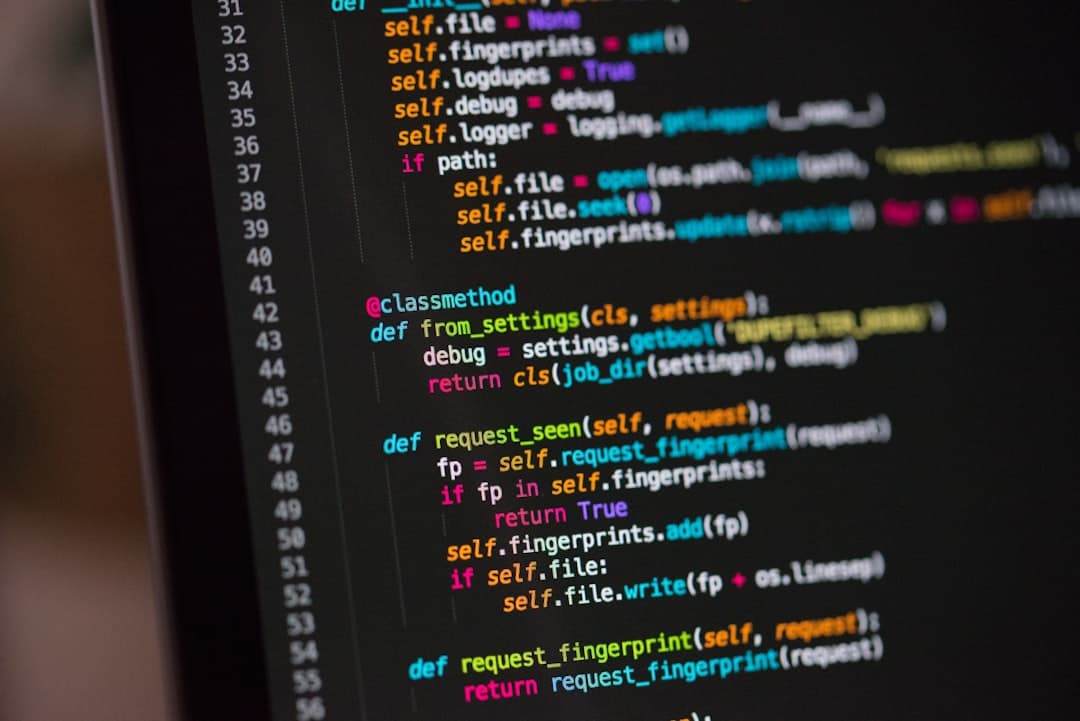
The tech industry has always been defined by its "move fast and break things" ethos, but the current era of Large Language Models (LLMs) has accelerated that pace to an unprecedented degree. When a developer goes on leave today, they may leave behind a team using traditional IDEs and manual code reviews. When they return, they often find a department fully integrated with GitHub Copilot, Cursor, or proprietary internal AI agents.
This shift creates a unique form of "technical debt" for the returning parent. It is not just that the codebase has changed; the very method of interacting with that codebase has evolved. The cognitive load of learning how to effectively use AI to generate, debug, and optimize code—while simultaneously managing the demands of a newborn—creates a compounding pressure that previous generations of tech workers did not face.
The fundamental nature of the job is shifting from code creation to code orchestration. Senior developers returning to the workforce are finding that their value is no longer measured solely by their ability to write elegant syntax, but by their ability to audit AI-generated output.
- Prompt Engineering as a Core Competency: Returning developers must quickly master the art of the prompt. Knowing how to guide an LLM to produce secure, scalable code is now as critical as knowing the language itself.
- The Reviewer Burden: With AI generating code at 10x the speed of a human, the volume of code requiring review has exploded. Returners must adapt to a workflow where they are managing a "synthetic workforce" alongside their human colleagues.
- The Loss of Institutional Memory: AI tools often lack the context of why certain legacy decisions were made. A returning developer who holds that institutional memory is valuable, but only if they can translate that context into the AI-driven workflow.
There is a growing concern among industry analysts that the "maternity penalty"—the professional disadvantage faced by working mothers—is being exacerbated by AI-driven productivity expectations. If a junior developer using AI can now match the output volume of a senior developer who is not yet proficient with AI tools, the traditional hierarchy of experience is called into question.
For a mother returning from leave, the pressure to demonstrate immediate "impact" is immense. In an AI-pilled workplace, "impact" is increasingly defined by the speed of feature delivery. This creates an environment where the time required for deep learning and upskilling is viewed as a luxury, rather than a necessity for long-term retention.
To prevent a mass exodus of experienced female talent, technology companies must rethink their onboarding processes for those returning from long-term leave. The traditional "welcome back" coffee chat is no longer sufficient.
- AI Onboarding Sabbaticals: Companies should offer a dedicated 2–4 week period focused exclusively on AI tool proficiency. This allows returning parents to close the skills gap in a controlled environment without the immediate pressure of ticket quotas.
- Mentorship for Synthetic Workflows: Pairing returners with "AI champions" within the team can help demystify the new toolstack. This peer-to-peer learning is essential for understanding the specific nuances of how a particular team uses generative tools.
- Redefining Seniority: Leadership must explicitly value the human oversight that senior developers provide. In an era of AI-generated bloat, the ability to say "we shouldn't build this" is more valuable than the ability to build it quickly.
While the transition is jarring, some argue that AI could eventually become a powerful equalizer for parents. The ability of generative AI to handle "boilerplate" tasks, write documentation, and automate unit testing can significantly reduce the grunt work that leads to burnout.
If leveraged correctly, AI can act as a force multiplier that allows parents to maintain high levels of productivity within more flexible working hours. A developer who can use an LLM to summarize a three-hour meeting they missed while at a pediatrician appointment is a developer who stays in the loop without sacrificing their personal life.
The challenge facing new mothers in coding is a canary in the coal mine for the broader workforce. As AI continues to reshape every vertical, the gap between those who are present for the transition and those who step away will continue to widen.
For the tech industry to remain truly innovative, it must ensure that its most experienced contributors are not left behind by the tools meant to empower them. The goal should not be to force returning parents to "catch up" to the machine, but to build a culture where human expertise and artificial intelligence work in a sustainable, inclusive tandem. The future of software development depends not just on the quality of our algorithms, but on the support systems we build for the humans who oversee them.