- FIFA is providing a standardized AI tool to all 2026 World Cup teams to improve tactical parity.
- Wealthier nations are investing in bespoke, private AI models that offer deeper analytical advantages.
- The integration of AI into soccer raises concerns about the balance between algorithmic decisions and human coaching.
- The 2026 World Cup will serve as a pivotal test for the role of technology in competitive sports.
The AI Arms Race: How FIFA 2026 is Reshaping Soccer Strategy
As FIFA introduces standardized AI tools for the 2026 World Cup, teams are balancing open-access technology with private, high-stakes data analysis.
Jul 5, 2026·0 views
Key Takeaways
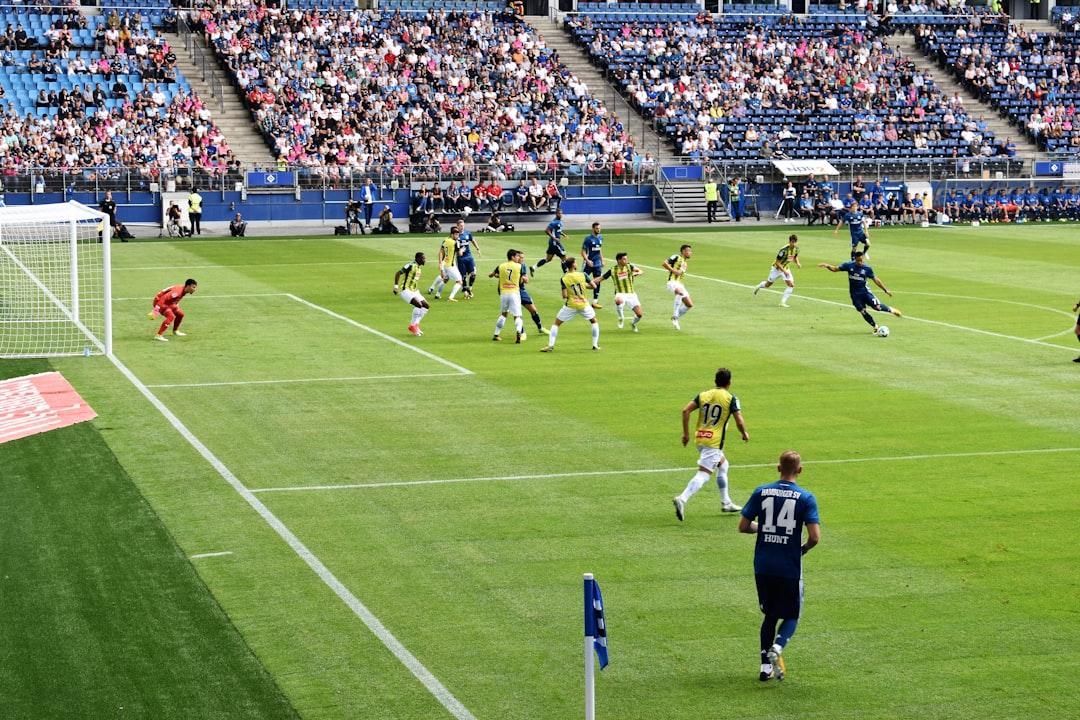
As the world prepares for the 2026 FIFA World Cup, the beautiful game is undergoing a silent, digital transformation. For decades, the divide between footballing giants and underdog nations was defined by budget, scouting networks, and grass-roots infrastructure. Today, that divide is increasingly being measured in teraflops and algorithmic precision.
FIFA has officially entered the fray by announcing it will provide a standardized artificial intelligence agent to all participating teams. This move is designed to democratize access to high-level tactical analysis, but it has ignited a fierce debate within the sporting community regarding the future of competitive integrity and technological disparity.
The introduction of a FIFA-sanctioned AI tool aims to provide every squad, regardless of their federation’s wealth, with a baseline of sophisticated data processing. This agent is expected to assist coaching staff in analyzing opponent patterns, optimizing player positioning, and predicting injury risks based on historical data.
For smaller footballing nations, this represents a monumental shift. Historically, these teams have lacked the resources to build proprietary data science departments. By providing a 'plug-and-play' tactical assistant, FIFA hopes to ensure that the 2026 tournament is decided on the grass rather than in the server room. However, industry insiders suggest that a standardized tool may only be the tip of the iceberg.
While FIFA’s tool provides a baseline, the world’s wealthiest football associations are not idling. Reports indicate that top-tier teams are already investing millions into bespoke AI models that operate far beyond the capabilities of public-facing tools. These private systems ingest proprietary data—tracking everything from a player’s micro-movements during training sessions to real-time physiological stress levels during a match.
Key areas where private AI is dominating include:
- Predictive Scouting: Identifying young talents in obscure leagues by analyzing thousands of hours of match footage using computer vision.
- Real-time Tactical Adjustments: Using deep learning to suggest substitutions or formation shifts based on the specific weaknesses of an opponent’s current lineup.
- Injury Prevention: Utilizing wearables that feed data into custom neural networks to predict fatigue before a player reaches their physical breaking point.
As AI becomes more integral to the coaching process, the role of the human manager is evolving. The question arises: how much agency should a coach relinquish to an algorithm? In the lead-up to 2026, many teams are grappling with the balance between data-driven decision-making and the 'gut feeling' that has defined legendary managers for generations.
Furthermore, there is the issue of transparency. If a team wins the World Cup, how much credit belongs to the players, and how much to the machine learning engineers? This shift risks turning the World Cup into a competition of private tech firms, potentially alienating fans who prefer the traditional, human-centric narrative of the sport.
As we look toward the 2026 tournament, the focus remains on whether these tools will truly level the playing field or merely create a two-tiered system. While FIFA’s initiative is a commendable step toward inclusivity, the reality of global sports economics suggests that the 'AI arms race' is only just beginning.
Teams that successfully integrate these new tools into their existing workflows—while maintaining the human spirit of the game—will likely be the ones lifting the trophy. The 2026 World Cup will not just be a test of physical prowess; it will be the ultimate trial for the engineers and data scientists working behind the scenes to secure victory.
Enjoying this article?
Get the daily AI briefing sent straight to your inbox.
Frequently Asked Questions
What AI tool is FIFA providing for the 2026 World Cup?
FIFA is providing a standardized AI agent designed to assist all participating teams with tactical analysis, opponent pattern recognition, and player positioning.
Will AI tools make the World Cup fair for all teams?
While the FIFA-provided tool aims to level the playing field, wealthier teams are simultaneously developing proprietary AI systems, which may maintain a technological advantage.
Comments
0Please sign in to leave a comment.
Related articles

Inside the AI Arms Race: Why Experts Fear a Global 'Chernobyl Moment'
Top AI experts in China are echoing Western fears regarding the unchecked development of advanced models, warning of a potential global disaster.

Agility Robotics Targets $2.5B Valuation in Landmark SPAC Deal
Agility Robotics is set to go public via a SPAC merger, valuing the company at $2.5 billion as it races to define the future of industrial automation.
Upgrade Your Workflow: 5 Essential Desk Gadgets for Maximum Productivity
Struggling to stay focused? We explore five desk gadgets that reduce clutter and boost efficiency for the modern remote or office worker.