- Home batteries are transforming from individual backup systems into critical components of regional grid stability.
- Virtual Power Plants (VPPs) allow utilities to aggregate household batteries to meet peak energy demands.
- Economic incentives and government subsidies are accelerating the adoption of residential energy storage.
- AI is increasingly used to predict weather events and optimize battery charging schedules for maximum grid support.
Home Batteries and VPPs: The New Frontline Against Extreme Weather
As heat domes and hurricanes intensify, distributed energy resources are transforming from a luxury into a critical component of national grid stability.
Jul 5, 2026·0 views

Key Takeaways
In the past twelve months, the global discourse surrounding energy security has shifted from a theoretical debate to an urgent, practical necessity. As extreme weather events—ranging from persistent heat domes to high-intensity hurricanes—become the new normal, the traditional centralized power grid is showing its cracks. For Imai News readers tracking the intersection of tech and sustainability, the emergence of home batteries as a primary defense mechanism is no longer a niche trend; it is a fundamental shift in how we manage electricity.
Since our initial report on this topic last year, the argument for Virtual Power Plants (VPPs) has reached a fever pitch. Utilities across the globe are no longer just exploring distributed energy; they are actively investing billions into the infrastructure required to aggregate thousands of home batteries into single, responsive power stations. This evolution is vital for maintaining grid frequency and voltage stability during periods of unprecedented energy demand.
A Virtual Power Plant is essentially a cloud-based network of distributed energy resources, such as residential solar panels and home battery systems. When the grid faces a shortfall—often triggered by air conditioning spikes during a heat dome or transmission line failures during a storm—the utility can tap into these thousands of batteries simultaneously.
This is a win-win scenario for both the grid operator and the homeowner. By participating in VPP programs, homeowners are not only ensuring their own backup power is ready when the lights go out, but they are also getting paid to contribute to the stability of the local grid. It is the democratization of energy management, turning consumers into active "prosumers."
- Reduced Transmission Stress: By generating and storing power at the point of consumption, the strain on long-distance high-voltage lines is significantly minimized.
- Rapid Response: VPPs can respond to grid frequency fluctuations in milliseconds, far faster than traditional fossil-fuel-burning peaker plants.
- Storm Survivability: When a hurricane damages central infrastructure, a home with an independent battery system remains operational, providing a critical lifeline for families and essential devices.
Beyond the obvious benefit of keeping the lights on, the financial incentives for adopting home storage are becoming increasingly attractive. Governments and utility commissions are rolling out subsidies that lower the upfront cost of lithium-ion and iron-phosphate battery systems. When combined with the potential for arbitrage—buying electricity when it is cheap and selling it back to the grid when demand is high—the return on investment for the average household is shortening rapidly.
Furthermore, the environmental implications are profound. By reducing our reliance on "peaker plants"—which are typically the dirtiest, most carbon-intensive power plants kept on standby for high-demand days—home batteries allow for a cleaner transition to renewable energy. We are essentially using smart software to replace outdated, polluting infrastructure.
As we look toward the remainder of 2026 and beyond, the integration of AI-driven energy management software will be the next major hurdle. Machine learning algorithms are already being deployed to predict weather patterns and energy usage with startling accuracy. These systems can "pre-charge" home batteries in anticipation of an incoming storm or heat event, ensuring that the residential fleet is at 100% capacity exactly when it is needed most.
The transition to a decentralized grid is complex, requiring robust cybersecurity measures and standardized communication protocols between home hardware and utility software. However, the momentum is undeniable. With utilities now treating home batteries as a core asset for grid reliability, the era of the passive energy consumer is effectively over. We are entering the age of the intelligent, resilient, and distributed home.
Enjoying this article?
Get the daily AI briefing sent straight to your inbox.
Frequently Asked Questions
What is a Virtual Power Plant (VPP)?
A VPP is a network of decentralized energy resources, such as home batteries and solar panels, that are aggregated and managed by software to act as a single, large-scale power plant for the grid.
How do home batteries help during a heat dome?
During extreme heat, when grid demand spikes, home batteries can discharge stored energy back into the grid, preventing blackouts and reducing reliance on carbon-intensive peaker plants.
Comments
0Please sign in to leave a comment.
Related articles
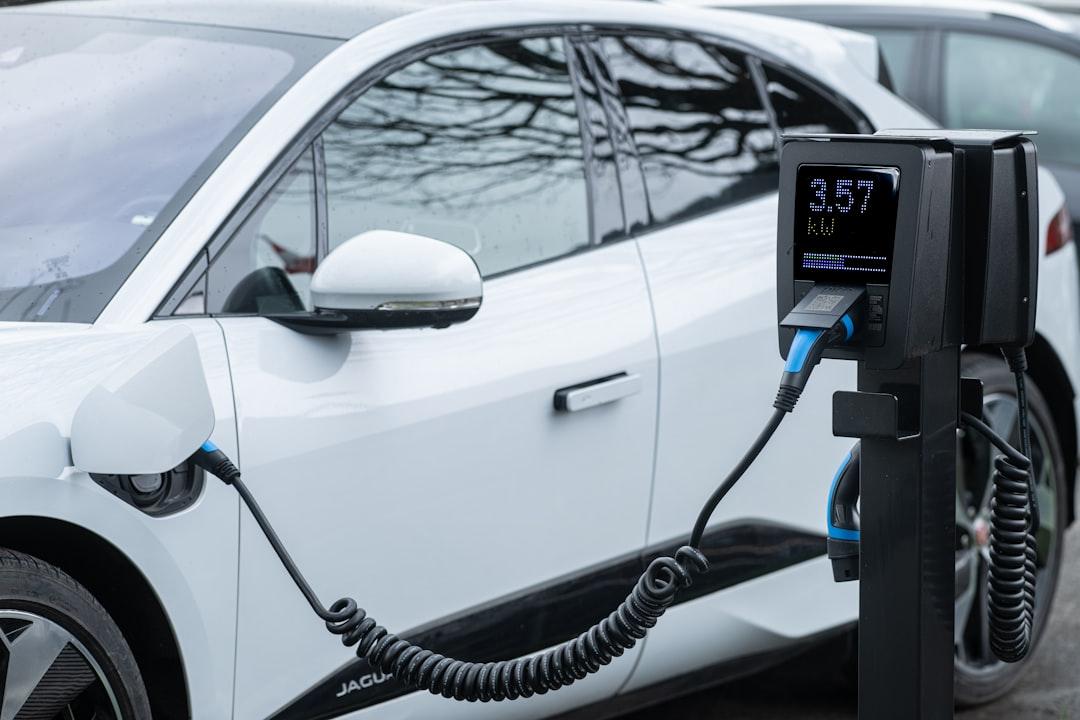
The Shift to Final Energy: Why 35% Electricity is the New Climate Benchmark
A new global proposal aims to shift the climate narrative from simple power generation to total final energy demand, targeting 35% electrification by 2035.
Reflecting on American Innovation: A July 4th Perspective on Sustainability
On Independence Day, we examine the intersection of American heritage, family ties, and the urgent need for a transition toward sustainable, clean energy solutions.
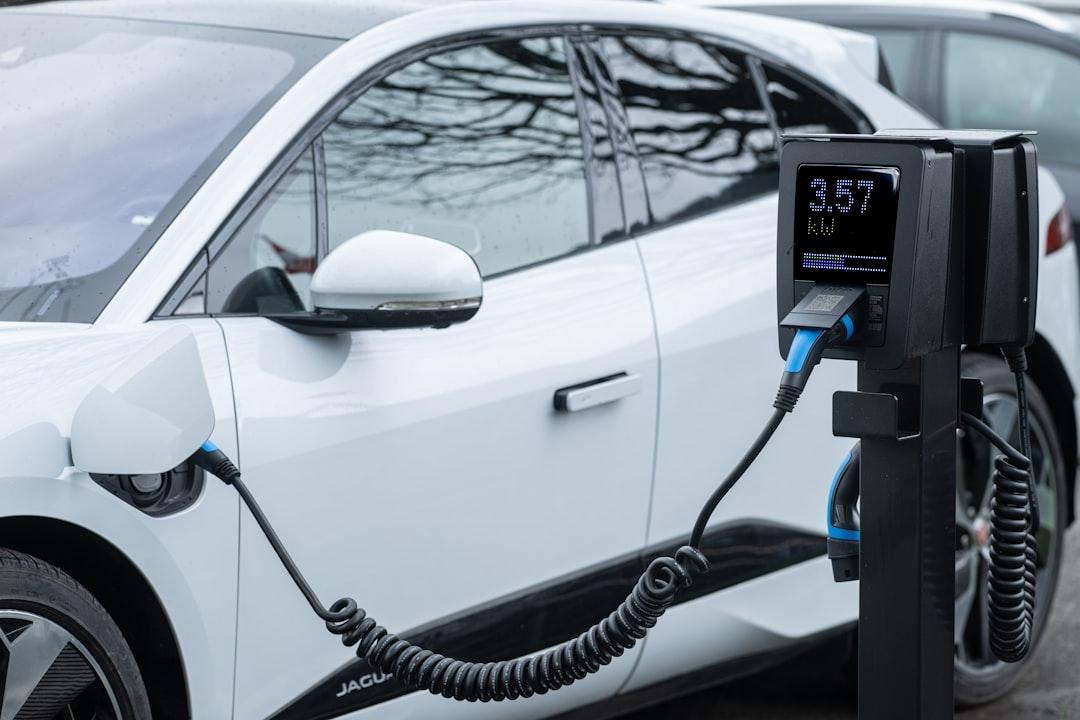
BYD Sealion Series: A Deep Dive into Australia’s Electric Vehicle Battle
We take a closer look at the BYD Sealion series and its impact on the Australian EV market as it competes for the top spot against established industry leaders.