- BYD is launching a multi-model Sealion lineup (5, 6, 7, 8) in Australia to compete with the Tesla Model Y.
- The Sealion 7 is the primary challenger to Tesla's market dominance, showing strong performance in initial tests.
- BYD's strategy involves offering diverse models to capture various segments of the SUV market.
- Competition between BYD and Tesla is expected to drive better pricing and innovation for Australian EV consumers.
BYD Sealion Series: A Deep Dive into Australia’s Electric Vehicle Battle
As BYD’s Sealion 5, 6, 7, and 8 lineup hits the Australian market, we explore how these electric SUVs are challenging the dominance of the Tesla Model Y.
Jul 5, 2026·0 views
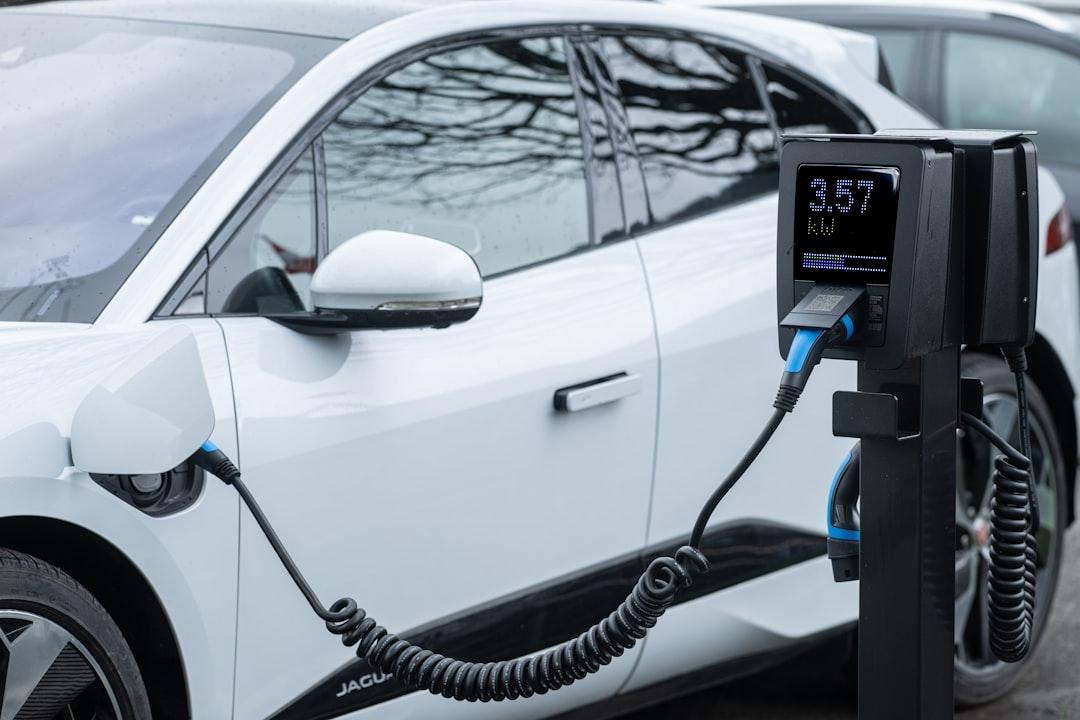
Key Takeaways
The Australian automotive landscape is shifting at an unprecedented pace. As the country moves toward a greener future, the competition for the title of Australia’s best-selling Battery Electric Vehicle (BEV) has intensified. At the center of this battle is BYD, the Chinese automotive giant that is rapidly expanding its footprint with the introduction of its Sealion series—models 5, 6, 7, and 8.
During a recent field excursion, we had the opportunity to examine these vehicles firsthand. The primary focus of our interest was the BYD Sealion 7, a vehicle currently locked in a high-stakes market share battle with the perennial favorite, the Tesla Model Y. While June’s preliminary sales data indicates that Tesla maintains its lead, the gap is closing, and the diversity of the Sealion lineup suggests that BYD is playing a long-term game of market saturation and consumer choice.
The Sealion series represents BYD’s strategic attempt to capture different segments of the SUV market. By offering a range of models, BYD is catering to varying needs, budgets, and lifestyles, which is a departure from Tesla’s more streamlined, model-focused approach.
The Sealion 7 is the flagship of the current push. Designed with a sleek, aerodynamic profile, it is clearly positioned to appeal to the same demographic that currently drives the Model Y. Its interior quality, technological integration, and range capabilities make it a formidable contender. During our testing, the responsiveness of the drivetrain and the intuitive nature of the infotainment system stood out as key selling points.
While the 7 gets the headlines, the 5, 6, and 8 models offer a tiered approach to EV ownership:
- Sealion 5: Aimed at the entry-level market, providing a cost-effective entry point for families transitioning from internal combustion engines.
- Sealion 6: Positioned as a mid-range crossover, balancing performance with cabin space, making it ideal for urban commuters.
- Sealion 8: The luxury-oriented variant, featuring premium materials and advanced autonomous driving features that target the high-end SUV segment.
The rivalry between BYD and Tesla in Australia is more than just a battle of specifications; it is a battle of philosophy. Tesla has built its brand on a minimalist aesthetic and a superior supercharger network. In contrast, BYD is leveraging its massive manufacturing capacity and battery technology expertise to offer vehicles that feel more traditional in their ergonomics while being cutting-edge under the hood.
Market analysts note that the Australian consumer is becoming increasingly savvy. Many are now looking beyond the brand name and evaluating total cost of ownership, build quality, and availability of service centers. BYD’s aggressive rollout of the Sealion series is a direct response to this, ensuring that there is a vehicle for almost every potential EV buyer.
Visiting the "rookery"—a metaphorical term used to describe the collection of these vehicles in a showroom or charging hub—reveals a clear message: the era of the single-model dominance is ending. The diversity of the Sealion series allows BYD to hedge its bets. If a consumer finds the Sealion 7 too large, they can pivot to the 6; if they want luxury, the 8 is there to catch them.
As we look toward the remainder of the year, the competition between these two titans will likely drive down prices and increase innovation. For the Australian consumer, this is a win-win scenario. Whether you are a die-hard Tesla fan or a newcomer to the EV space, the presence of the Sealion lineup ensures that the market remains competitive, vibrant, and focused on delivering the best possible technology to the road.
Enjoying this article?
Get the daily AI briefing sent straight to your inbox.
Frequently Asked Questions
What is the BYD Sealion series?
The BYD Sealion series is a lineup of electric SUVs, including models 5, 6, 7, and 8, designed to compete in the growing Australian electric vehicle market.
Is the BYD Sealion 7 better than the Tesla Model Y?
While the Tesla Model Y currently leads in sales, the BYD Sealion 7 is considered a strong competitor with high-quality interiors and competitive performance, often evaluated based on personal preference and total cost of ownership.
Comments
0Please sign in to leave a comment.
Related articles
LEGO’s Electric Revolution: Building the Future of Sustainable Engineering
LEGO has quietly built a diverse collection of electric and hybrid-themed sets. We explore the best kits that celebrate the transition to sustainable energy.

The Best Electric Bikes of October 2026: A Buyer’s Guide for Every Budget
Looking for the perfect electric bike? We analyze the best-tested e-bikes across every price bracket to help you make an informed investment this fall.
EcoFlow Launches 'Tiny Titan' Residential Battery: Scalability Meets Affordability
EcoFlow's latest residential battery system offers a compact, scalable design that allows homeowners to build their energy backup capacity over time.