- BBC pundits labeled Paraguay's tactics against France as 'disgusting' and excessive.
- The critique focused on Paraguay's use of 'dark arts' to provoke and disrupt the game.
- Experts argue that such behavior threatens the integrity and spirit of the World Cup.
- The incident has sparked a debate on whether officiating needs to address systematic provocation.
Tensions Boil Over: Paraguay’s Physical Tactics Against France Spark Controversy
BBC pundits slam Paraguay's 'disgusting' behavior as tensions reach a fever pitch during the 2026 World Cup campaign.
Jul 5, 2026·0 views
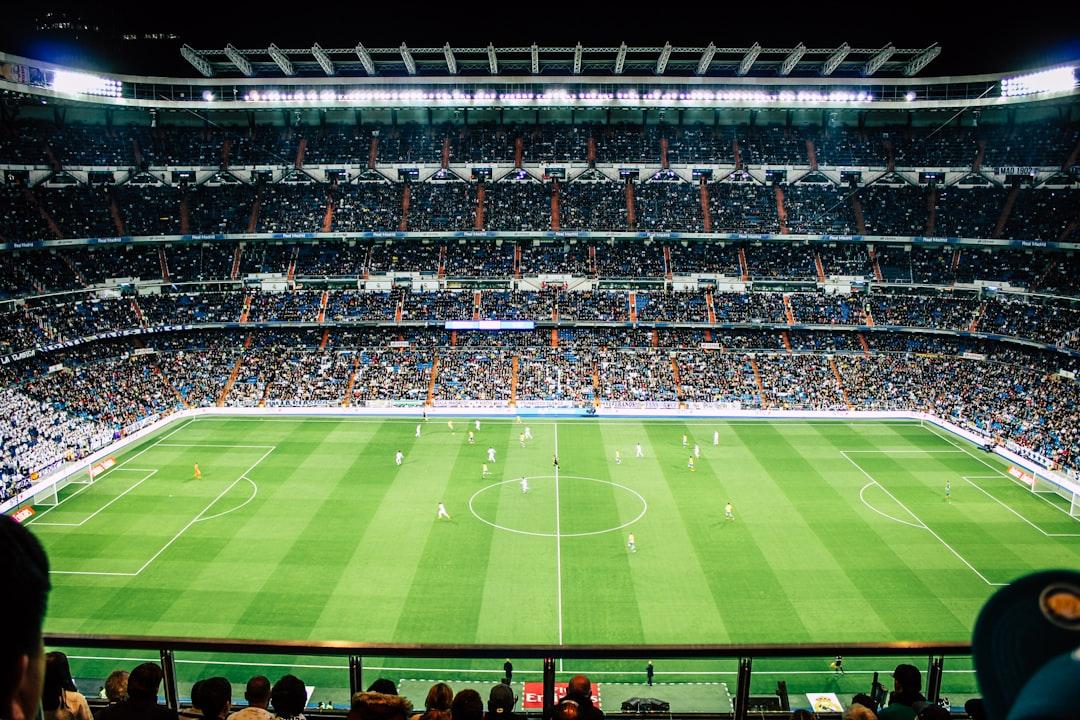
Key Takeaways
The 2026 World Cup has been a tournament characterized by high-octane football and tactical brilliance, but a recent encounter between Paraguay and France has shifted the conversation toward the darker side of the sport. Following a match defined by persistent fouls, off-the-ball confrontations, and blatant gamesmanship, the football world is reeling. Former stars turned pundits Thomas Hitzlsperger, Joe Hart, and Micah Richards have collectively condemned Paraguay’s approach, labeling their tactics as "disgusting" and arguing that the team went "way too far" in their bid to unsettle the French giants.
From the opening whistle, it was clear that Paraguay had devised a strategy that prioritized disruption over traditional play. Instead of focusing on technical transitions or structured defense, the Paraguayan side appeared intent on baiting French players into retaliatory actions. This "dark arts" approach included excessive physical contact, frequent confrontations with match officials, and tactical interruptions that halted the natural flow of the game.
Micah Richards, known for his passion and analytical depth, was particularly vocal during the post-match breakdown. "You want to see a competitive game, but there is a line that you simply cannot cross," Richards noted. "What we saw today wasn't just physical play; it was an attempt to dismantle the spirit of the game. It was, quite frankly, disgusting to watch as a fan of football."
Thomas Hitzlsperger, known for his tactical rigor, focused on the lack of respect shown to the integrity of the tournament. He argued that while underdog teams often employ defensive tactics to neutralize superior opponents, Paraguay’s methodology lacked the discipline required for professional sportsmanship. "When you spend more time trying to get under the skin of your opponent rather than playing the ball, you have lost the plot," Hitzlsperger stated. "France is a team that wants to play, and Paraguay turned it into a street fight."
Joe Hart, drawing on his extensive experience as a goalkeeper, highlighted how these tactics can unfairly influence match officials. "As a player, you know when someone is trying to wind you up," Hart explained. "But when it becomes a team-wide strategy to provoke the opposition and pressure the referee into making decisions based on chaos rather than rules, the game suffers. It wasn't just one or two players; it was a systemic approach that crossed the line."
This incident has ignited a broader debate regarding the officiating standards at the 2026 World Cup. Many are questioning whether VAR and current refereeing protocols are doing enough to discourage teams from utilizing such antagonistic strategies. If teams realize that "disgusting" tactics can effectively derail a superior opponent's momentum without severe repercussions, the tournament risks losing its competitive integrity.
Key takeaways from the controversy include:
- Provocation vs. Defense: The distinction between physical defensive play and deliberate provocation is blurring, much to the frustration of fans and analysts.
- Refereeing Challenges: Officials are under immense pressure to maintain control when one side is actively seeking to escalate tensions.
- Reputational Damage: While Paraguay may have succeeded in disrupting France’s rhythm, the global backlash has cast a shadow over their performance on the world stage.
As the tournament progresses, the focus will undoubtedly shift back to the beautiful game. However, this match serves as a stark reminder of the thin line between passion and malice. For Paraguay, the challenge will be to recover their reputation and prove that they can compete with the world's elite through skill rather than psychological warfare. For France, the test will be to maintain their composure under pressure—a trait required of any team hoping to lift the trophy at the end of this historic 2026 campaign. The footballing community will be watching closely to see if FIFA takes further action to address the behavior displayed on the pitch, ensuring that the remainder of the World Cup remains a showcase of athletic excellence rather than a theater for controversy.
Enjoying this article?
Get the daily AI briefing sent straight to your inbox.
Frequently Asked Questions
What did pundits say about the Paraguay vs France match?
BBC pundits Thomas Hitzlsperger, Joe Hart, and Micah Richards criticized Paraguay for their overly physical and provocative tactics, describing them as 'disgusting' and a step too far.
Why were Paraguay's tactics considered controversial?
Paraguay was accused of employing 'dark arts'—including constant provocation and tactical fouls—intended to bait French players and disrupt the flow of the game rather than focusing on footballing skill.
Comments
0Please sign in to leave a comment.
Related articles
Mbappé Reveals the Psychological Edge Behind France’s Tactical Grittiness
Kylian Mbappé credits a calculated, psychological approach for France’s victory over Paraguay, revealing that the team intentionally leaned into a grittier style of play.
Liverpool Eyeing Transfer Target Praised by Erling Haaland
Liverpool are reportedly weighing a move for a dynamic attacker who has earned high praise from Manchester City’s Erling Haaland.
Real Madrid’s Transfer Strategy: Decoding the Pursuit of Olise and Davies
Real Madrid’s contrasting strategies regarding Michael Olise and Alphonso Davies offer a rare glimpse into the club's long-term recruitment philosophy.