- U.S. energy consumption has shifted from wood and coal to a diverse mix of nuclear, hydrocarbons, and renewables.
- Total U.S. energy consumption hit 96 quadrillion BTUs in 2025, a slight increase from the previous year.
- Technological advancements are successfully decoupling GDP growth from total energy consumption.
- The future of American energy is focused on grid modernization and the integration of sustainable power sources.
Tracing the 250-Year Evolution of U.S. Energy Consumption
From wood-burning hearths to a modern grid, the story of American power is a testament to technological transformation.
Jul 5, 2026·0 views
Key Takeaways
The story of the United States is inextricably linked to how it powers its progress. For over two and a half centuries, the nation has undergone a profound metamorphosis in its energy landscape. From the early days of the republic, when wood served as the primary source of heat and light, to the sophisticated, electrified, and increasingly decarbonized grid of the 21st century, the path of American energy consumption has been defined by radical shifts in technology and resource availability.
In the 18th and early 19th centuries, the American energy profile was remarkably simple. Wood was the backbone of the economy, providing the thermal energy required for residential heating, cooking, and early industrial processes. As the Industrial Revolution took root in the mid-19th century, the nation pivoted toward coal. The abundance of coal deposits fueled the steam engines that powered trains, factories, and the growing maritime infrastructure, marking the first major transition in the national energy mix.
By the late 19th and early 20th centuries, the discovery and refinement of petroleum products added a new layer of complexity. The internal combustion engine revolutionized transportation, moving the U.S. away from coal-dependent rail and toward a society built on liquid fuels. This era established the infrastructure that would define American life for the next hundred years.
Fast-forwarding to the present day, the data provides a clear picture of a nation in transition. In 2025, the total energy consumption in the United States reached 96 quadrillion British thermal units (quads). While this represents a 2% increase over 2024, it remains a nuanced figure when viewed against the backdrop of long-term economic expansion and energy efficiency gains.
Today’s energy mix is a hybrid of legacy systems and emerging technologies:
- Hydrocarbons: Still represent a significant portion of the total energy footprint, powering much of the industrial and transportation sectors.
- Nuclear Energy: Provides a consistent, carbon-free baseload that has stabilized the grid for decades.
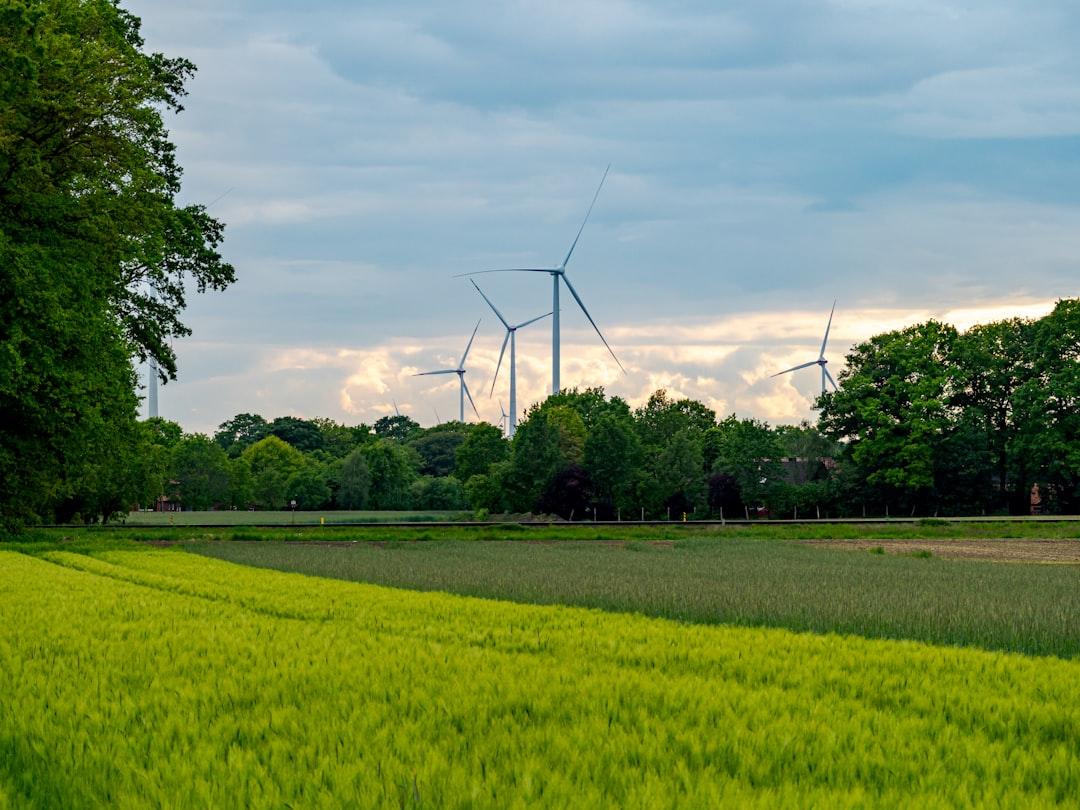
- Renewables: Wind, solar, and hydroelectric power are no longer niche sectors; they are now critical components of the national energy portfolio, experiencing rapid adoption rates as costs continue to plummet.
One of the most compelling aspects of the 250-year history of U.S. energy is the decoupling of economic growth from energy consumption. As the nation has become more technologically advanced, the amount of energy required to produce a single dollar of GDP has declined significantly. The integration of AI-driven grid management and smart-metering technologies is currently accelerating this trend, allowing for a more responsive and efficient distribution of power.
The current trend suggests that the next 250 years will look nothing like the last. The transition toward a net-zero economy is no longer just a regulatory aspiration; it is a technological inevitability. The challenge for the coming decades lies in infrastructure modernization—upgrading transmission lines to handle variable renewable energy and investing in long-duration energy storage solutions.
As the U.S. continues to navigate this transition, the lessons of the past remain vital. History shows that energy transitions are rarely instantaneous; they are iterative processes that require massive capital investment, political stability, and a commitment to innovation. The 96 quads consumed in 2025 are a snapshot of a country mid-stride, moving away from the carbon-heavy habits of the past and toward a more diversified and sustainable future.
Enjoying this article?
Get the daily AI briefing sent straight to your inbox.
Frequently Asked Questions
What was the primary energy source in the U.S. during the 18th century?
During the 18th and early 19th centuries, wood was the primary source of energy for heating, cooking, and early industrial activities.
How much energy did the U.S. consume in 2025?
In 2025, total energy consumption in the United States reached 96 quadrillion British thermal units (quads).
Is economic growth still tied to higher energy consumption in the U.S.?
No, the U.S. has increasingly decoupled economic growth from energy consumption due to advancements in efficiency and technology.
Comments
0Please sign in to leave a comment.
Related articles
LEGO’s Electric Revolution: Building the Future of Sustainable Engineering
LEGO has quietly built a diverse collection of electric and hybrid-themed sets. We explore the best kits that celebrate the transition to sustainable energy.

The Best Electric Bikes of October 2026: A Buyer’s Guide for Every Budget
Looking for the perfect electric bike? We analyze the best-tested e-bikes across every price bracket to help you make an informed investment this fall.

EcoFlow Launches 'Tiny Titan' Residential Battery: Scalability Meets Affordability
EcoFlow's latest residential battery system offers a compact, scalable design that allows homeowners to build their energy backup capacity over time.