- Thomas Tuchel defends his late-game defensive substitutions despite England's semi-final loss to Argentina.
- Tactical confusion on the pitch was cited as a major factor in England's inability to mount an effective comeback.
- Critics argue that the defensive shift signaled a lack of ambition while trailing in a crucial match.
- Tuchel maintains that the strategy was intended to control space and prevent further goals.
Tactical Turmoil: Analyzing Tuchel’s Defensive Gamble in World Cup Semi-Final
Thomas Tuchel defends his controversial substitution strategy following England’s heartbreaking exit against Argentina.
Jul 16, 2026·0 views
Key Takeaways
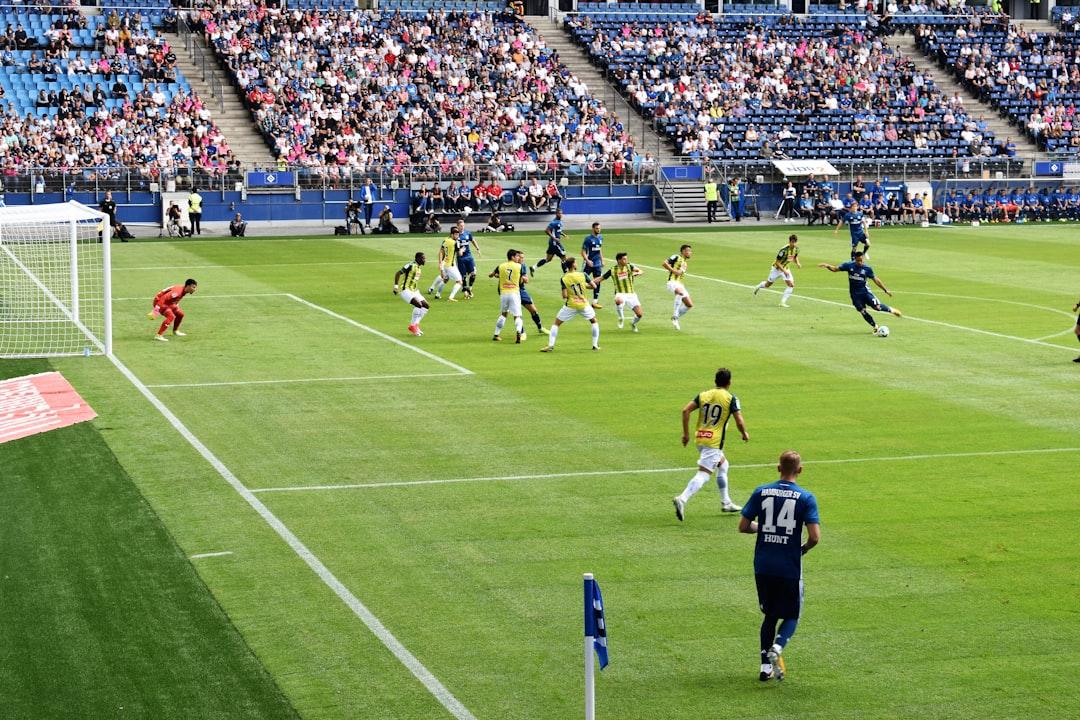
The dust has barely settled on England’s agonizing exit from the World Cup semi-final, yet the echoes of Thomas Tuchel’s tactical decisions continue to reverberate across the footballing world. In a match that promised glory, England found themselves undone by a series of defensive substitutions that left players visibly confused and the tactical structure in tatters. As the team crashed out against a clinical Argentina side, the spotlight has turned firmly toward the manager’s bench.
Thomas Tuchel, known for his meticulous preparation and tactical flexibility, has remained steadfast in his refusal to express regret. However, the post-match analysis paints a picture of a team that lost its identity in the final fifteen minutes of play. When the scoreline demanded offensive pressure to find an equalizer, the introduction of additional defensive personnel sent a message that many observers interpreted as a retreat rather than a tactical pivot.
To understand the frustration surrounding the match, one must look at the specific adjustments made during the closing stages. With England trailing by a single goal, the expectation was a surge of attacking talent. Instead, Tuchel opted for a defensive reshuffle designed to mitigate Argentina's counter-attacking threat. The result was a disjointed midfield and a lack of cohesion in the final third.
Key tactical issues identified by analysts include:
- Loss of Midfield Control: The substitutions disrupted the rhythm England had established, effectively handing possession back to the Argentinian midfield.
- Communication Gaps: Players on the pitch appeared uncertain of their new roles, leading to defensive lapses that Argentina exploited with clinical efficiency.
- Psychological Impact: By shifting to a defensive posture while trailing, the team’s momentum was effectively stifled, signaling to the opposition that England was no longer pushing for the win.
In the post-match press conference, Tuchel maintained a calm, albeit defiant, demeanor. When questioned about the specific substitutions that drew criticism, he argued that the changes were necessary to prevent a larger deficit. "We did what we thought was right at that moment," Tuchel stated. "I have no regrets regarding the strategy. We were trying to manage the space and keep our structure against a very dangerous opponent."
Yet, this explanation has done little to placate the England faithful. For a nation that has endured decades of tournament heartbreak, the perceived lack of ambition in the closing moments of a semi-final is a bitter pill to swallow. Critics argue that at this level of international competition, fortune favors the bold, and by opting for safety, England inadvertently paved the way for their own elimination.
As the dust settles, the conversation in English football circles is shifting toward what this means for the future of the national team. The World Cup semi-final represented a significant hurdle, and while the result was unfavorable, the lessons learned regarding tactical adaptability under pressure will be vital.
Moving forward, the primary concern for the Football Association will be ensuring that the communication between the manager and the playing squad is seamless during high-stakes scenarios. When a game is on the line, the team needs to be of one mind. The confusion observed on the pitch in this semi-final serves as a reminder that tactical genius is useless if it cannot be executed with collective understanding.
Despite the disappointment, there are bright spots to consider. England’s journey to the semi-final was built on a solid foundation of young talent and tactical discipline. The challenge for Tuchel and his staff is to refine their approach to game management, ensuring that future substitutions enhance the team's objective rather than obscuring it. The road to the next major tournament begins now, and the pressure on Tuchel to demonstrate that he can learn from these mistakes will be immense.
Enjoying this article?
Get the daily AI briefing sent straight to your inbox.
Frequently Asked Questions
Why did Thomas Tuchel make defensive changes against Argentina?
Tuchel stated that the substitutions were intended to manage space and maintain structural integrity against Argentina's counter-attacking threat.
Did Thomas Tuchel regret his tactical decisions in the World Cup semi-final?
No, Thomas Tuchel publicly stated that he had 'no regrets' regarding the defensive substitutions, asserting that he did what he believed was right at the time.
Comments
0Please sign in to leave a comment.
Related articles
England’s World Cup Dream Crumbles in Heartbreaking Defeat to Argentina
England fans are left reeling after a dramatic World Cup exit against Argentina, marking a painful end to a summer of high expectations.

Tactical Meltdown: Did Thomas Tuchel’s Substitutions Cost England the Game?
Thomas Tuchel faces intense scrutiny after England’s lead evaporated in a 1-2 loss to Argentina, sparking a fierce debate over his late-game decision-making.
Argentina Sparks Controversy with Falklands Banner After World Cup Semi-Final Win
Following a tense semi-final victory over England, the Argentina squad ignited a firestorm by displaying a banner referencing the 1982 Falklands conflict.