- AI filters are creating a new trend where patients request surgical changes to match filtered digital versions of themselves.
- Plastic surgeons warn that these requests are often anatomically impossible and can lead to 'Snapchat dysmorphia'.
- The gap between digital perfection and reality is causing significant psychological distress and unrealistic expectations.
- The entertainment industry is grappling with how these trends affect the future of authentic on-screen performance.
The Digital Mirror: How AI Filters Are Reshaping Hollywood Beauty Standards
Plastic surgeons report a surge in patients seeking 'filter-ready' faces, sparking a complex debate over digital dysmorphia and the future of cosmetic procedures.
Jul 16, 2026·0 views
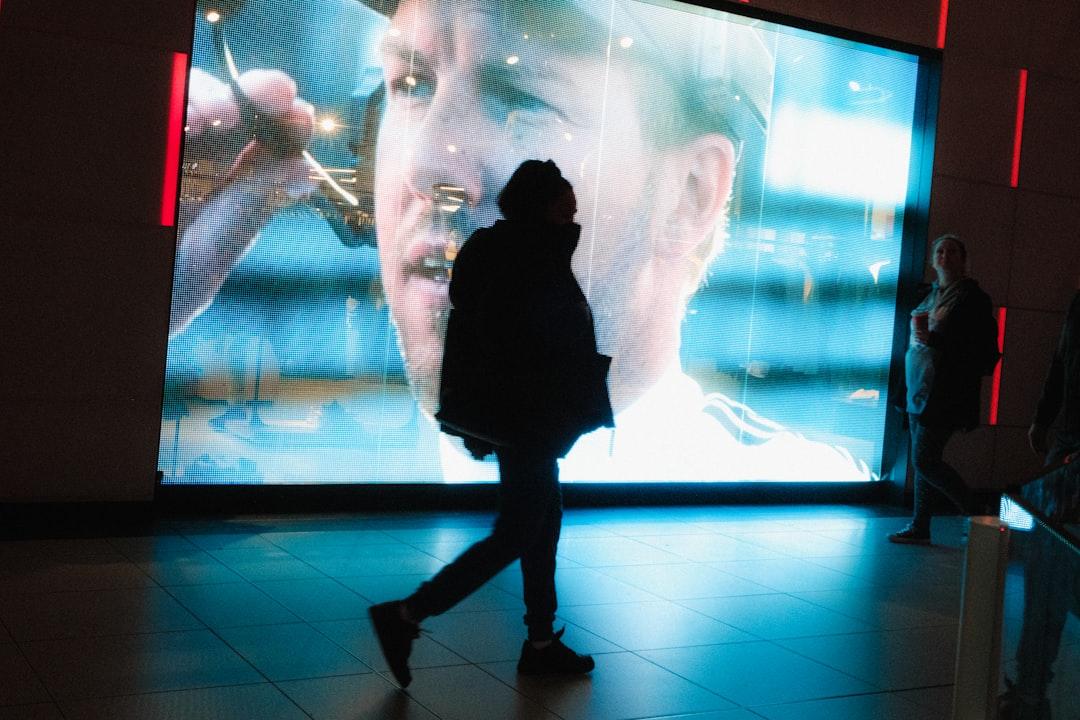
Key Takeaways
In the high-stakes world of Hollywood, the camera has always been a demanding judge. For decades, actors and influencers have relied on lighting technicians, professional makeup artists, and expert camera angles to present their best selves. However, the rise of sophisticated AI-driven beauty filters on platforms like Instagram, TikTok, and Snapchat has introduced a new, more aggressive challenger to the mirror: the digital avatar.
Plastic surgeons across Los Angeles and beyond are reporting a growing trend of clients arriving at their clinics with a smartphone in hand, not to show a celebrity inspiration, but to display their own filtered selfies. These patients aren't asking to look like a specific movie star; they are asking to look like the artificial, airbrushed version of themselves created by an algorithm.
What clinicians are witnessing has been colloquially dubbed "Snapchat dysmorphia." Unlike traditional body dysmorphic disorder, which often involves a preoccupation with perceived flaws, this modern iteration is fueled by the unattainable perfection of real-time digital editing. AI filters don't just smooth skin; they subtly alter bone structure, lift eyebrows, slim noses, and create impossible symmetry—all in a matter of milliseconds.
Traditional photo editing (like Photoshop) was a laborious process done by professionals. AI filters, however, are pervasive, instantaneous, and highly addictive. They create a "digital baseline" that users become accustomed to seeing every time they open their front-facing camera. When the filter is turned off, the natural human face—with its pores, asymmetrical features, and shifting expressions—can suddenly feel "wrong" or "broken" to the user.
- Normalization of Perfection: Constant exposure to filtered images recalibrates our brains to perceive non-filtered faces as flawed.
- The Uncanny Valley Effect: When surgeons attempt to replicate these digital edits, they often run into the limits of human anatomy. What looks good on a pixelated screen often looks disjointed or "plastic" in three-dimensional, moving reality.
- Psychological Impact: The gap between the digital self and the physical self is widening, leading to increased anxiety and a desire for drastic surgical interventions.
For board-certified plastic surgeons, the request to "look like the filter" presents a significant ethical and medical challenge. A filter can be applied with a single tap, but reversing a surgical procedure is significantly more complex, if not impossible.
Many practitioners are now finding themselves in the role of counselor as much as surgeon. They must explain to patients that the geometry of a filter is often mathematically impossible to achieve in a human skull. For instance, an AI might slim a jawline to a degree that would compromise the structural integrity of the face or interfere with nerve function.
Furthermore, facial expressions are dynamic. A filter remains static or applies a uniform mask, whereas a real face must move, talk, and show emotion. Surgeons warn that over-correcting to match a static, filtered image can lead to a "frozen" look that hampers an actor's ability to emote—a career-ending move in Hollywood.
As AI technology continues to advance, the entertainment industry faces a reckoning. If Hollywood continues to embrace digital de-aging and face-swapping in films, it inadvertently validates the idea that natural aging or non-conforming features are things to be "fixed."
Industry experts suggest that we are reaching a tipping point. As audiences become more tech-literate, there is a burgeoning counter-movement that values authenticity. From the "no-makeup" movement to the growing backlash against overly filtered social media posts, there is a demand for a return to realism. However, until the technology loses its novelty, the pressure on content creators and performers to maintain a "filter-ready" face remains a significant force in modern cosmetic culture.
Enjoying this article?
Get the daily AI briefing sent straight to your inbox.
Frequently Asked Questions
What is Snapchat dysmorphia?
Snapchat dysmorphia is a psychological phenomenon where individuals become obsessed with the filtered, perfected versions of themselves found on social media, often seeking plastic surgery to replicate those digital edits.
Why is it difficult for surgeons to replicate AI filters?
AI filters often alter bone structure and facial proportions in ways that are mathematically impossible or biologically unsafe to achieve through surgery, and they do not account for the dynamic movement of the human face.
Comments
0Please sign in to leave a comment.
Related articles
Chronicle Media Leverages AI to Solve the Entertainment Discovery Crisis
Chronicle Media is tackling the entertainment industry's biggest hurdle: content discovery. By using AI, the startup helps brands pinpoint target audiences.
NAZA and Once Upon A Time In Harlem Sweep Hot Springs Documentary Film Festival
This year's Hot Springs Documentary Film Festival highlighted powerful investigative journalism and personal narratives, crowning NAZA and Once Upon A Time In Harlem as top winners.
Russell Brand Trial: Allegations of Coercion Surface in London Court
During the sixth day of Russell Brand’s rape trial, prosecutors detailed a harrowing account involving an alleged sexual assault followed by a request for contact information.