- Spain defeated France in a decisive semifinal match, ending their tournament run.
- Lamine Yamal has emerged as the central figure of Spain's new tactical approach.
- France struggled with tactical cohesion, leading to Kylian Mbappé's diminished impact.
- Spain is now positioned as a favorite for the final, signaling a potential new dynasty.
Spain’s Tactical Masterclass: Yamal Leads the Charge Against France
As Kylian Mbappé’s tournament run concludes, a youthful Spanish squad cements its status as the team to beat in Euro 2024.
Jul 15, 2026·0 views
Key Takeaways
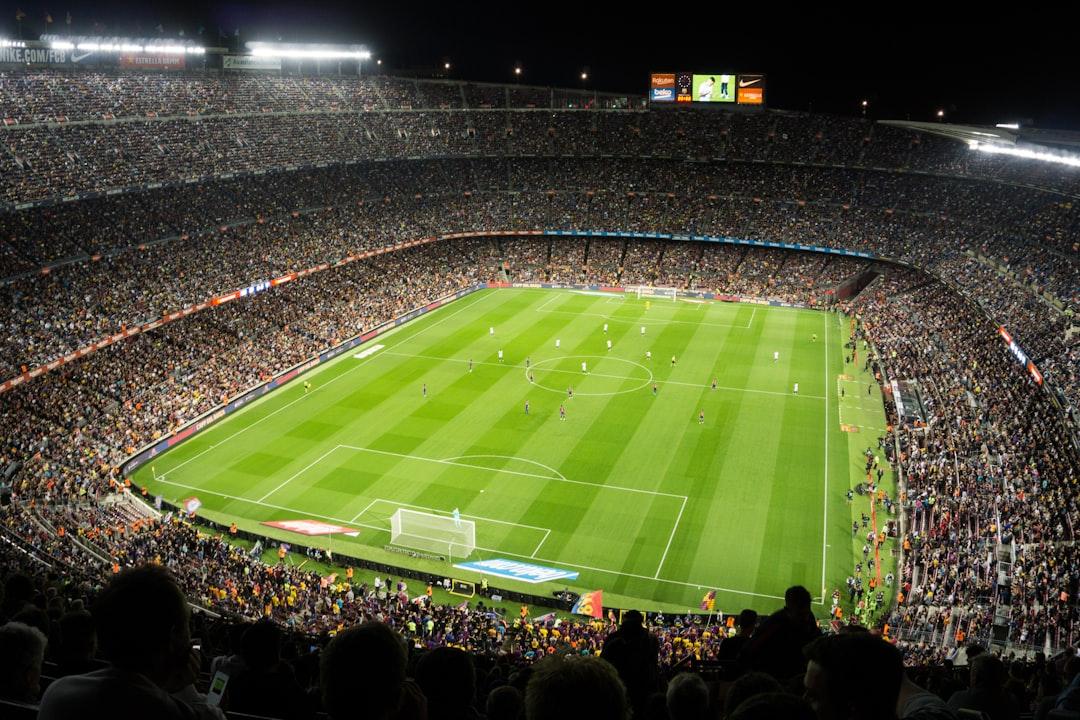
The landscape of international football shifted dramatically this week as Spain dismantled France in a semifinal encounter that felt less like a contest and more like a coronation of a new era. While much of the pre-match discourse centered on the inevitable "Mbappé moment," it was Spain’s collective discipline and the emergence of teenage sensation Lamine Yamal that ultimately dictated the narrative. For France, a tournament that promised so much has ended in a tactical stalemate, leaving the world to wonder what comes next for their superstar captain.
Spain’s victory was not merely a result of individual brilliance; it was a testament to a cohesive system that has evolved under the guidance of its current coaching staff. By effectively neutralizing the French attack, Spain signaled that they are no longer just a team of technical passers, but a balanced, physical, and tactical juggernaut capable of winning games in multiple ways.
At the heart of Spain’s resurgence is 16-year-old Lamine Yamal. His performance against the French backline was nothing short of historic. Operating with the composure of a veteran, Yamal has become the focal point of an offense that is daring fans to dream of a second dynastic run in the 21st century. His ability to stretch the field, combined with an uncanny decision-making process under pressure, has made him the most talked-about player in the tournament.
Observers have noted that Yamal’s presence on the pitch changes the geometry of the game. Defenders are forced to respect his pace and his dribbling, which creates pockets of space for his teammates to exploit. This synergy between the youth of Yamal and the experience of Spain’s core midfielders has created a formidable engine that opposing teams have yet to find an answer for.
For Kylian Mbappé, the tournament will be remembered as a missed opportunity. Despite his undeniable talent, the French team struggled to find a consistent rhythm throughout the competition. Critics have pointed toward a lack of creative cohesion in the midfield as a primary reason for France’s inability to break down Spain’s organized defensive block.
Mbappé, who has long been heralded as the heir to the throne of global football, found himself frustrated by a Spanish defense that refused to be drawn out of position. The "Prince of French Football" was surrounded by a court that, while talented, lacked the necessary synchronization to dismantle a high-functioning unit like Spain. As the dust settles, questions regarding the future of the French national team setup are already beginning to surface.
What makes this Spanish side different from previous iterations is their versatility. Historically, Spain has relied on 'tiki-taka'—a style built on relentless possession. However, this squad is different. They are comfortable playing on the counter-attack, they possess a clinical edge in the final third, and their defensive transition is faster than anything seen from the nation in a decade.
Key pillars of their success include:
- Tactical Flexibility: The ability to shift formations based on the opponent’s weaknesses.
- Youth Integration: The seamless transition of young talents like Yamal into a high-stakes environment.
- Defensive Solidarity: A renewed focus on closing down spaces, ensuring that high-profile opponents are starved of clear-cut chances.
- Collective Mentality: A departure from relying on a single 'star' player, fostering a culture where any player can step up to decide a match.
As Spain moves one win away from reaching a new echelon of international achievement, the pressure will undoubtedly mount. However, if their performance against France is any indication, this team is built to handle the weight of expectation. They are not just playing for a trophy; they are playing to define a decade.
For football fans globally, the shift in momentum is palpable. We are witnessing the birth of a new cycle. Whether Spain can cross the finish line remains to be seen, but one thing is certain: the era of the individual superstar is being challenged by a team that plays with the precision of a well-oiled machine. The world will be watching as they step onto the pitch for the final, eager to see if they can cement their legacy.
Enjoying this article?
Get the daily AI briefing sent straight to your inbox.
Frequently Asked Questions
How did Spain defeat France in the semifinals?
Spain utilized superior tactical discipline and team cohesion, effectively neutralizing France's attacking threats and capitalizing on their own offensive opportunities.
Who is the breakout star of the Spanish team?
16-year-old Lamine Yamal has become the standout player for Spain, gaining recognition for his composure, dribbling, and impact on the team's overall offensive structure.
Comments
0Please sign in to leave a comment.
Related articles
The Science Behind the 2026 World Cup Ball Switch for Semi-Finals
As the 2026 World Cup reaches its climax, FIFA has swapped the match ball. We explore the tech-driven reasons behind the transition to the final-stage ball.
Spain’s Tactical Dominance Over France: A Growing International Rivalry
Spain has emerged as France's ultimate bogey team, securing a string of victories across major tournaments that leave Les Bleus searching for answers.
England vs Argentina: World Cup Semi-Final Kick-Off Time, TV and Streaming Guide
Get ready for a historic clash as England takes on Argentina in the World Cup semi-finals; here is everything you need to know to catch the action.