- FIFA introduces a new, tech-enhanced ball specifically for the final stages of the 2026 World Cup.
- The ball features advanced IMU sensors that transmit 500 data points per second for real-time VAR analysis.
- Changes in design and engineering are driven by a need for maximum aerodynamic consistency and high-stakes performance.
- The mid-tournament switch serves both as a technological upgrade and a symbolic celebration of the championship rounds.
The Science Behind the 2026 World Cup Ball Switch for Semi-Finals
FIFA introduces the 'Al Hilm' for the final stages of the tournament, featuring groundbreaking connected ball technology to enhance precision.
Jul 15, 2026·0 views
Key Takeaways
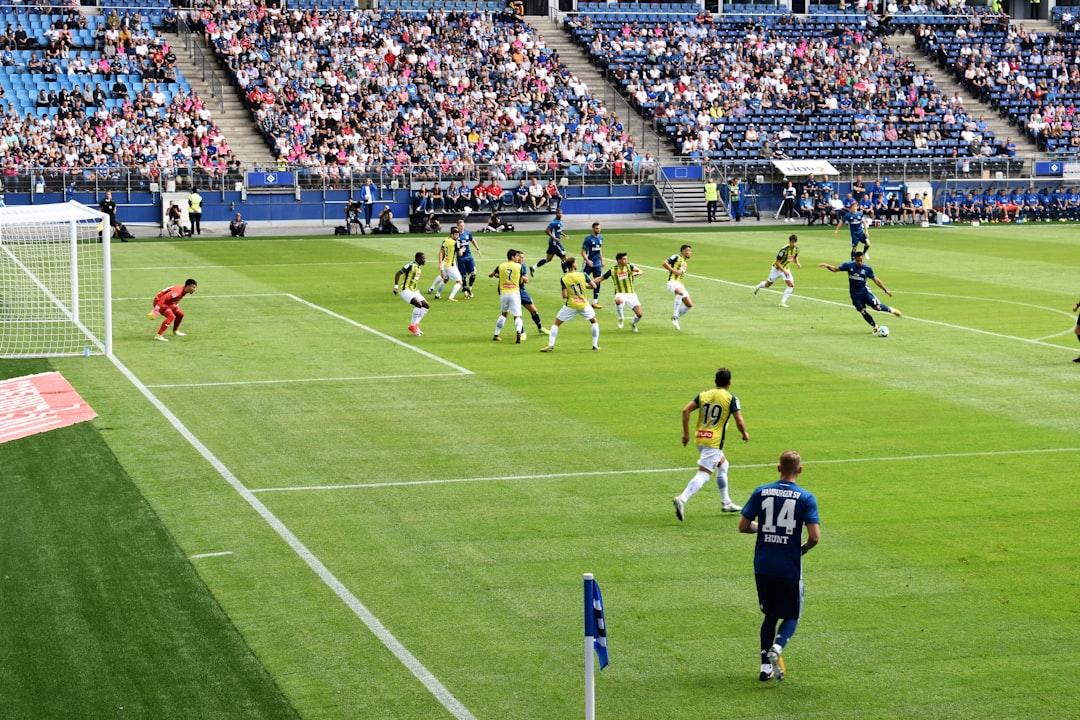
In the high-stakes environment of a global tournament, every variable matters. As the 2026 FIFA World Cup reaches its critical semi-final and final stages, fans and players alike have noticed a shift on the pitch: the introduction of a new match ball. This mid-tournament transition, while appearing purely cosmetic to the casual observer, is deeply rooted in engineering, performance analytics, and the integration of artificial intelligence.
FIFA’s decision to switch the match ball for the final games is a calculated move designed to celebrate the tournament's climax while utilizing the most advanced iteration of connected ball technology available. This shift ensures that the most important matches in world football benefit from the latest aerodynamic research and sensor data capture.
At the heart of this new ball is a sophisticated internal sensor system. This technology, which has been refined throughout the tournament, provides real-time data to the Video Assistant Referee (VAR) team. By tracking the ball’s position, speed, and spin, the system allows for near-instantaneous decision-making regarding offside calls, goal-line technology, and handball infractions.
- Inertial Measurement Units (IMUs): These sensors, suspended in the center of the ball, send 500 packets of data per second to the VAR operation room.
- Aerodynamic Stability: The surface panels are engineered to maintain a consistent flight path, even at the high velocities seen in professional strikes.
- Sustainability Integration: The new design utilizes more recycled materials than previous generations, aligning with FIFA's long-term environmental goals.
Critics often ask why the ball cannot remain the same from the opening match to the final whistle. The primary reason is developmental. By the time the tournament reaches the semi-finals, FIFA and its manufacturing partners have collected thousands of hours of flight data. This allows for a final 'tuned' version of the ball that represents the pinnacle of current sports engineering.
Furthermore, the change serves as a marketing milestone. The 'Finals' ball often features a unique aesthetic design—frequently incorporating gold or metallic accents—to signify the prestige of the championship match. It creates a distinct visual identity for the games that will define the legacy of the tournament.
For the athletes, a change in match ball is not trivial. Professional players are highly sensitive to the weight, texture, and bounce of the ball. A shift in the surface material or the internal weight distribution can alter the way a ball swerves or dips during a free kick.
Goalkeepers, in particular, are the most affected by these changes. The trajectory of a long-range shot is influenced by the 'grip' of the ball’s surface and the stability of its seams. By testing the new ball extensively before the semi-finals, players have a brief window to adapt their technique. However, the move toward a more consistent, tech-heavy ball is generally welcomed by players who prioritize predictability over the erratic behavior of older, less-engineered equipment.
This transition highlights a broader trend in sports: the 'datafication' of the game. As we move deeper into the era of AI-enhanced sports, we can expect the ball to become an even more powerful tool for officiating and broadcasting. Future iterations may include real-time biometric tracking or even more granular data on player-ball interaction, providing fans with unprecedented insights into the mechanics of a world-class performance.
As the final whistle approaches in 2026, the focus remains on the players, but the technology supporting them has never been more vital. The ball is no longer just a piece of equipment; it is a precision instrument, ensuring that the crowning moment of the World Cup is decided by skill, strategy, and the most accurate data possible.
Enjoying this article?
Get the daily AI briefing sent straight to your inbox.
Frequently Asked Questions
Why does FIFA change the match ball during the World Cup?
FIFA introduces a new ball for the semi-finals and finals to showcase the latest in aerodynamic technology and to provide a unique, prestigious design for the tournament's conclusion.
Does the new ball affect player performance?
Yes, professional players and goalkeepers must adapt to the specific weight, texture, and flight characteristics of the new ball, which is engineered for higher precision and stability.
What technology is inside the World Cup match ball?
The ball contains an Inertial Measurement Unit (IMU) sensor that tracks speed, spin, and position, sending data to VAR to assist in accurate officiating.
Comments
0Please sign in to leave a comment.
Related articles
Noni Madueke Praises Arsenal’s 'Champions' Mentality After Nottingham Forest Win
Noni Madueke has publicly lauded Arsenal’s recent performance against Nottingham Forest, noting a distinct 'champions' spirit within Mikel Arteta’s squad.
Alessio Tacchinardi Slams Juventus and Spalletti Amid Stagnation Concerns
Former midfielder Alessio Tacchinardi has delivered a scathing critique of Juventus and Luciano Spalletti, arguing that neither the club nor the national team shows signs of progress.
PSG Stunned: Nuno Mendes Injury Rules Star Out of Barcelona Showdown
Paris Saint-Germain faces a defensive crisis as star Nuno Mendes is ruled out for several weeks due to a muscle injury, missing the crucial Barcelona clash.