- SpaceX launched 24 additional Starlink satellites from Vandenberg Space Force Base.
- The mission utilized a flight-proven Falcon 9 rocket, which successfully landed on a drone ship.
- This launch continues the expansion of the Starlink constellation to improve global internet access.
- SpaceX remains focused on reusability and high-frequency launch cadences.
SpaceX Expands Global Connectivity with Latest Falcon 9 Starlink Launch
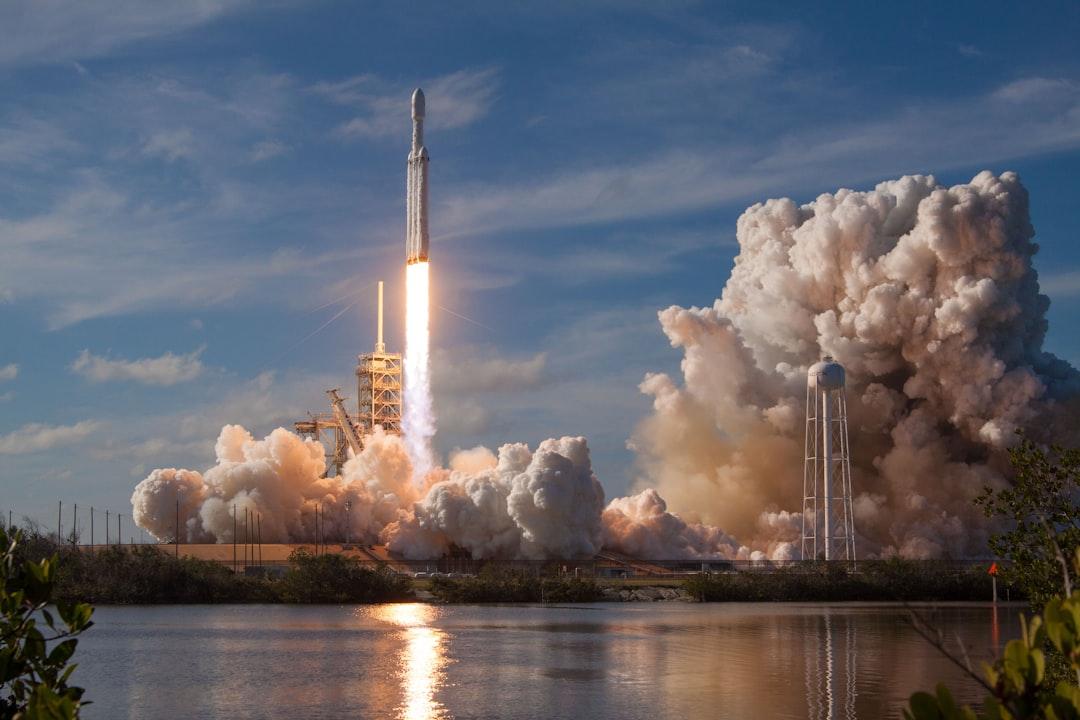
A veteran Falcon 9 rocket successfully deployed 24 additional Starlink satellites from Vandenberg Space Force Base, marking another milestone for SpaceX's rapidly growing orbital network.
Jul 3, 2026·0 views
Key Takeaways
SpaceX has once again demonstrated its dominance in the aerospace sector with the successful launch of 24 Starlink satellites. The mission, which lifted off from the Vandenberg Space Force Base in California, further strengthens the company’s ambitious plan to provide high-speed, low-latency internet access to every corner of the globe. This launch represents a routine yet critical operation in the company’s strategy to maintain a robust and reliable satellite constellation.
The Falcon 9 rocket, a workhorse of the modern space industry, roared into the clear California skies at 1:22 a.m. local time. The launch was executed with characteristic precision, with the first stage of the rocket successfully returning to Earth shortly after separation. This reusable booster technology remains the backbone of SpaceX's cost-effective mission profile, allowing for a rapid turnaround between launches that competitors have struggled to replicate.
The rocket utilized for this mission was a seasoned veteran, having completed multiple flights prior to this specific deployment. Following the successful delivery of the satellites to their designated low Earth orbit (LEO), the first stage performed a flawless landing on the autonomous spaceport drone ship, 'Of Course I Still Love You,' which was stationed in the Pacific Ocean. This recovery is vital for SpaceX’s mission to reduce the overall cost of space access.
The Starlink constellation is currently the largest satellite network in history. By deploying satellites in smaller, frequent batches, SpaceX ensures that its constellation remains resilient and capable of meeting increasing global demand. These 24 new units join thousands of others already in orbit, working in unison to beam internet connectivity to remote and underserved regions where traditional fiber-optic infrastructure is impractical or unavailable.
Beyond simple internet access, the Starlink project has significant implications for global logistics, emergency response, and military operations. During natural disasters or infrastructure failures, Starlink terminals have proven to be lifelines for communication. The ability to deploy a portable, high-speed connection anywhere on the planet is a technological feat that is reshaping how governments and private enterprises approach connectivity.
As the number of satellites in orbit grows, SpaceX is also addressing concerns regarding space debris and light pollution. The company has implemented several design changes to its satellites to reduce their brightness, working closely with the astronomical community to ensure that scientific observations are not compromised. These efforts are part of a broader commitment to sustainable space exploration as the LEO environment becomes increasingly crowded.
The success of this mission is a testament to the reliability of the Falcon 9 platform. As SpaceX looks toward its next generation of launch vehicles, including the massive Starship rocket, the lessons learned from these frequent Starlink missions provide invaluable data. The cadence of launches from Vandenberg and Cape Canaveral has turned space travel from a rare, headline-grabbing event into a standard industrial process.
For the end-user, the impact is tangible. Whether it is a rural schoolhouse in a developing nation or a maritime vessel in the middle of the ocean, the reach of the Starlink network is expanding exponentially. With each successful launch, the digital divide narrows, bringing the promise of a truly connected global society closer to reality. Industry analysts expect this trend of rapid deployment to continue throughout the year, with SpaceX aiming to further increase its launch frequency to meet its aggressive growth targets.
Enjoying this article?
Get the daily AI briefing sent straight to your inbox.
Frequently Asked Questions
How many satellites did the recent SpaceX mission launch?
The recent mission from Vandenberg Space Force Base successfully deployed 24 Starlink satellites into low Earth orbit.
What is the primary purpose of the Starlink satellite constellation?
The Starlink constellation is designed to provide high-speed, low-latency internet access to users worldwide, particularly in remote or underserved areas.
Did the Falcon 9 rocket land successfully?
Yes, the first stage of the Falcon 9 rocket performed a successful landing on the autonomous spaceport drone ship, 'Of Course I Still Love You', in the Pacific Ocean.
Comments
0Please sign in to leave a comment.
Related articles

Unlocking the Moon's Origins: The Giant Impact Hypothesis Re-Examined
Scientists are revisiting the 'Giant Impact Hypothesis' to determine if a massive protoplanet truly struck Earth to create the Moon 4.5 billion years ago.

Japan’s Martian Frontier: JAXA’s MMX Mission Targets Phobos Samples
JAXA is embarking on a historic mission to land on the Martian moon Phobos and return precious samples to Earth, marking a major milestone in space exploration.

Gemstones in the Clouds: Scientists Discover Exotic Weather on WASP-193b
Astronomers have identified potential gemstone-like particles in the atmosphere of WASP-193b, an ultra-low-density exoplanet that defies conventional physics.