- A controversial VAR decision significantly impacted the Portugal vs. Croatia match at the 2026 World Cup.
- Technological interventions, including semi-automated detection, are raising questions about the 'spirit of the game'.
- Fans and analysts are deeply divided on whether high-tech officiating enhances fairness or ruins the fluidity of football.
- The incident highlights the growing tension between data-driven accuracy and human-led officiating.
VAR Controversy Ignites Debate at 2026 World Cup: Portugal vs. Croatia
A late-match decision involving advanced officiating technology has left fans and analysts divided over the integrity of the game.
Jul 3, 2026·0 views
Key Takeaways
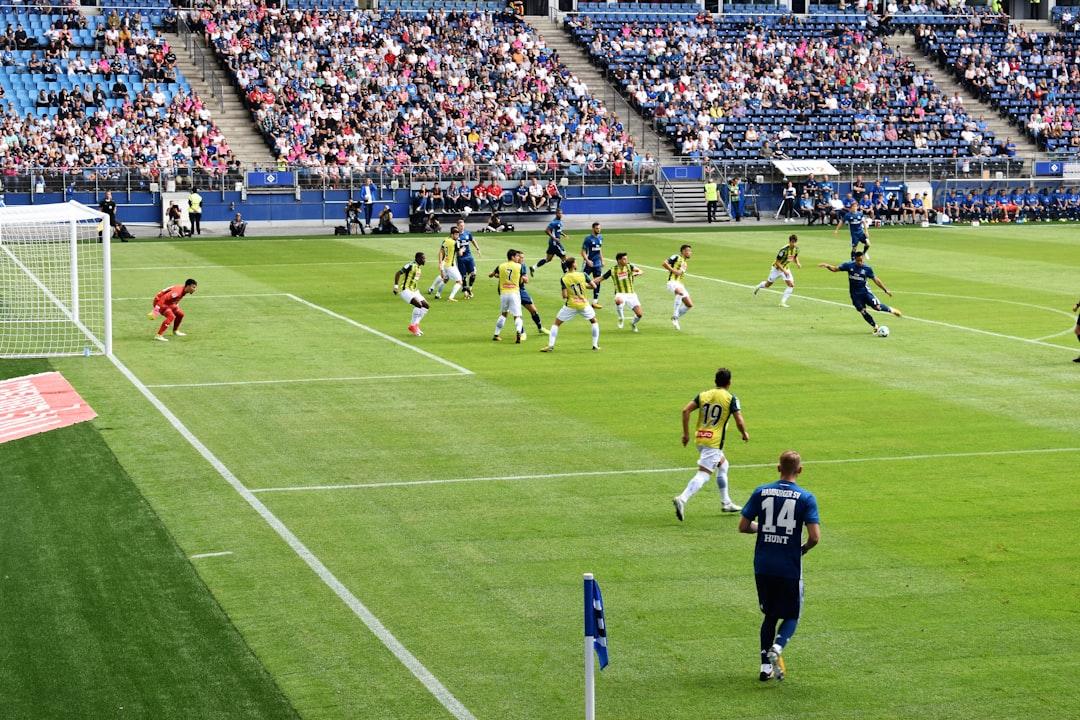
In the high-stakes theater of the 2026 World Cup, the intersection of human instinct and machine precision has reached a boiling point. During a pivotal match between European heavyweights Portugal and Croatia, the narrative of a gritty, underdog-style defensive masterclass was abruptly halted by a decision rooted in advanced officiating technology. As the clock ticked into the dying embers of regulation time, the world watched as a potential extra-time stalemate was erased by a VAR-driven ruling that has since ignited global debate.
For decades, football fans have romanticized the 'human error' element of the sport—the idea that a referee’s judgment, flawed as it may be, is part of the game's inherent charm. However, the 2026 tournament has solidified a transition toward a data-centric reality. When the referee pointed to the spot—or disallowed a goal, depending on the perspective—following a lengthy review, it wasn't just a whistle that decided the outcome; it was an intricate network of sensors, high-frame-rate cameras, and algorithmic calibration.
To understand the controversy, one must look at the sequence of events that unfolded in the closing minutes. Croatia, having absorbed immense pressure from the Portuguese attack, appeared to have secured a hard-fought path to extra time. Their tactical discipline had frustrated star players and neutralized the rhythm of the game. Then, the intervention occurred.
Technological systems flagged a marginal infringement that was invisible to the naked eye at full speed. The referee, guided by the semi-automated offside and foul-detection suites, paused the match to consult the monitors. Upon reviewing the footage—often slowed down to frame-by-frame increments—the decision was made to penalize the Croatian side. The stadium, a pressure cooker of anticipation, erupted into a mix of confusion and indignation.
- The Pro-Tech Argument: Supporters of the current system argue that accuracy is the ultimate goal. If a foul occurred, regardless of how minor, the rules must be applied consistently to ensure fairness across the board.
- The Anti-Tech Argument: Critics argue that the 'spirit of the game' is being eroded. They contend that slowing down real-time contact to a microscopic level strips football of its fluidity and physical intensity, effectively turning a contact sport into a forensic exercise.
- The Threshold Problem: A major point of contention remains the 'clear and obvious' error threshold. Fans are questioning whether the technology is being used to correct blatant mistakes or to 're-referee' the game from a technical standpoint.
As the 2026 World Cup progresses, this incident serves as a microcosm for the broader technological evolution of sports. FIFA has invested heavily in the 'Connected Ball' technology and AI-assisted officiating tools, aiming to eliminate the ambiguity that plagued previous tournaments. Yet, as this match demonstrated, removing ambiguity does not necessarily remove controversy; it merely shifts it from the referee’s eyesight to the data output.
For Portugal, the decision provided a pathway to victory that kept their tournament ambitions alive. For Croatia, it represents a heartbreaking exit defined by a technicality. The broader impact, however, is a lingering question regarding how much influence we want machines to have over the final outcome of a match. As we look toward the knockout stages, the pressure on officiating teams to balance technological input with the flow of play will only intensify.
Ultimately, the Portugal-Croatia match will be remembered not just for the scoreline, but for the moment the digital age officially redefined the limits of 'fair play.' Whether this leads to a recalibration of VAR protocols or a doubling down on AI-driven officiating, the conversation is far from over. The 2026 World Cup is proving that while technology can measure the game, it cannot yet measure the passion of those who play it.
Enjoying this article?
Get the daily AI briefing sent straight to your inbox.
Frequently Asked Questions
What happened in the Portugal vs. Croatia 2026 World Cup match?
A late-game VAR intervention resulted in a controversial decision that effectively ended Croatia's chances of reaching extra time, favoring Portugal.
Why is VAR controversial in the 2026 World Cup?
Critics argue that the technology, while accurate, slows down the pace of the game and penalizes minor infractions that were previously ignored by referees.
Is AI used for officiating in the 2026 World Cup?
Yes, FIFA uses advanced AI-assisted officiating tools, including semi-automated offside technology and sensor-equipped balls, to aid referees.
Comments
0Please sign in to leave a comment.
Related articles
Noni Madueke Praises Arsenal’s 'Champions' Mentality After Nottingham Forest Win
Noni Madueke has publicly lauded Arsenal’s recent performance against Nottingham Forest, noting a distinct 'champions' spirit within Mikel Arteta’s squad.
Alessio Tacchinardi Slams Juventus and Spalletti Amid Stagnation Concerns
Former midfielder Alessio Tacchinardi has delivered a scathing critique of Juventus and Luciano Spalletti, arguing that neither the club nor the national team shows signs of progress.
PSG Stunned: Nuno Mendes Injury Rules Star Out of Barcelona Showdown
Paris Saint-Germain faces a defensive crisis as star Nuno Mendes is ruled out for several weeks due to a muscle injury, missing the crucial Barcelona clash.