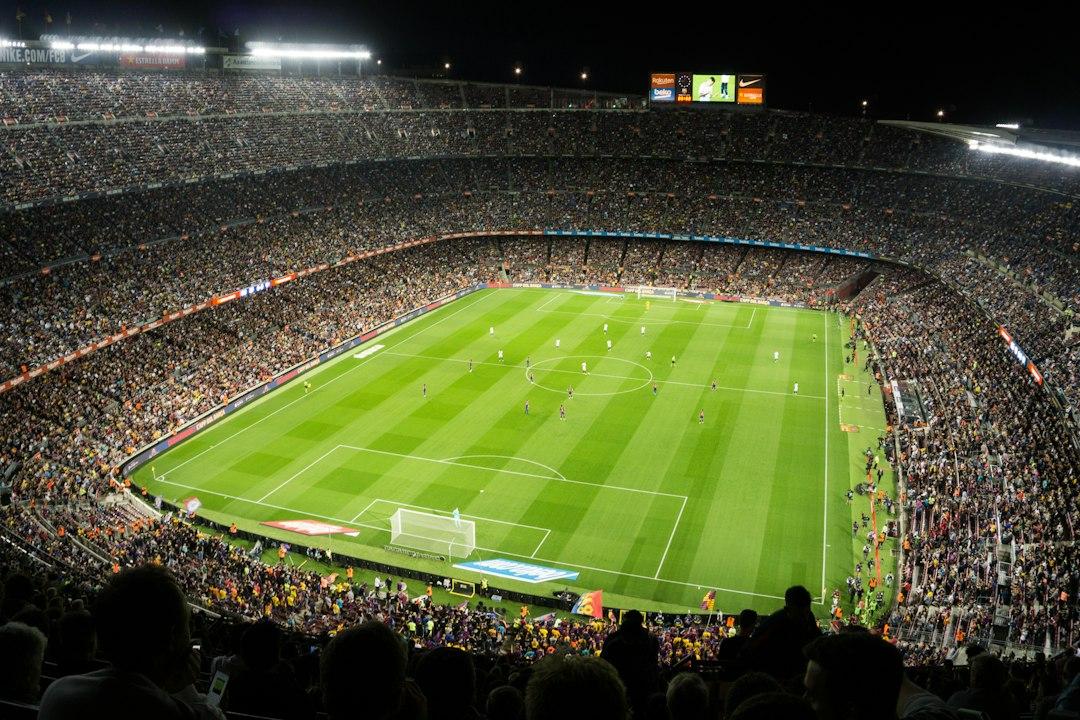
The anticipation surrounding the FIFA World Cup 2026 is palpable, yet in many parts of Mexico, the excitement is heavily guarded. In villages and towns where gunfire is a near-daily occurrence, football fans admit that their cheers are mostly confined indoors. The juxtaposition of a global celebration of sport against the grim backdrop of cartel violence presents an unprecedented security challenge for organizers, local governments, and international bodies.
To bridge this security gap, authorities are turning to a powerful, albeit controversial, ally: Artificial Intelligence. As Mexico prepares to host matches in Mexico City, Monterrey, and Guadalajara, the deployment of AI-driven public safety technology is transitioning from a futuristic concept to an immediate operational necessity.
Hosting a World Cup is a monumental logistical feat under ideal circumstances. For Mexico, the stakes are compounded by complex security dynamics. While major tourist corridors and stadium zones are heavily policed, the underlying anxiety of systemic violence remains a primary concern for international travelers and local citizens alike.
Traditional policing methods, reliant on physical patrols and reactive monitoring, are insufficient to cover the vast influx of global visitors. This has catalyzed a rapid shift toward proactive, tech-driven security frameworks. Artificial intelligence is being positioned as a force multiplier, designed to detect, predict, and mitigate threats before they escalate into high-profile incidents.
At the heart of the World Cup security strategy is the integration of advanced computer vision and biometric identification. Stadiums like the iconic Estadio Azteca in Mexico City and the modern Estadio BBVA in Monterrey are upgrading their surveillance infrastructures with AI-enabled cameras.
- Smart Crowd Monitoring: Deep learning algorithms are trained to analyze crowd density, flow, and movement patterns. By identifying anomalous behaviors—such as sudden surges, bottlenecking, or aggressive physical altercations—the system can automatically alert security personnel to intervene before a situation escalates.
- Automated Facial Recognition: Building on the "Fan ID" systems used in domestic Mexican football leagues, AI-driven facial recognition will be deployed at stadium entry points. These systems scan faces in real-time, cross-referencing them against national and international law enforcement databases to identify high-risk individuals or banned spectators.
- Object and Weapon Detection: Neural networks integrated into security scanners and CCTV networks are designed to detect concealed weapons, pyrotechnics, and other prohibited items, reducing human error at security checkpoints.
Beyond stadium gates, securing entire host cities requires an expansive view of urban safety. Predictive policing—the use of machine learning models to analyze historical crime data, weather patterns, local events, and socio-economic factors—is being utilized to optimize police deployment.
By identifying high-probability zones for criminal activity, municipal authorities can position patrol units more strategically. Furthermore, AI-powered geospatial intelligence platforms process real-time data feeds from traffic cameras, social media chatter, and emergency calls. This allows command centers to maintain a dynamic, living map of city-wide security, enabling rapid response to incidents occurring far from the sporting venues.
To monitor transit corridors and the vast perimeters surrounding fan zones, security agencies are deploying autonomous drone fleets. These are not standard remote-controlled quadcopters; they are highly sophisticated aerial units equipped with edge-AI processing capabilities.
These drones can autonomously patrol designated flight paths, using thermal imaging and high-definition optical sensors to monitor unlit or hard-to-reach areas. If an anomaly is detected—such as an unauthorized gathering or a suspicious vehicle idling near critical infrastructure—the onboard AI can flag the event, stream live footage to command centers, and track the targets autonomously without human intervention.
While the technological promises of AI-driven security are compelling, they raise profound ethical and practical questions. Privacy advocates warn that the emergency deployment of mass surveillance for a mega-event often leaves a permanent footprint of invasive technology.
- The Risk of Mission Creep: Technologies introduced under the guise of temporary World Cup security risk becoming permanent fixtures of state surveillance, potentially used to monitor political dissidents or peaceful activists long after the tournament ends.
- Algorithmic Bias and False Positives: Facial recognition systems have documented higher error rates when identifying people of color and marginalized demographics. In a high-stress environment like a World Cup match, a false positive could lead to wrongful detentions and public distress.
- Data Security in High-Risk Zones: The collection of massive biometric and geospatial datasets presents a lucrative target for cybercriminals. In a region where sophisticated cartels have previously demonstrated advanced cyber capabilities—including the use of spyware—securing this data from compromise is as critical as physical security.
The 2026 World Cup will serve as a definitive litmus test for AI's role in global event security. If successful, the integration of predictive analytics, biometric scanning, and autonomous surveillance could set a new global standard for managing public safety in high-risk environments.
However, technology alone cannot solve the systemic issues driving violence in Mexico. As fans celebrate inside state-of-the-art, AI-guarded stadiums, the true measure of success will be whether these advanced systems can offer a genuine sense of safety to the communities living just outside the arena gates.