- Patrick Ittrich criticized the refereeing in the France vs. Paraguay match as the worst of the World Cup.
- The critique focused on inconsistent foul calls and poor game management.
- The incident has reignited debates regarding the role of officials in high-stakes matches.
- Global attention is now on FIFA to maintain officiating standards as the tournament enters its final stages.
Referees Under Fire: The Controversy Overshadowing World Cup Knockout Stages
Former Bundesliga referee Patrick Ittrich slams officiating standards following a contentious Round of 16 clash between France and Paraguay.
Jul 5, 2026·0 views
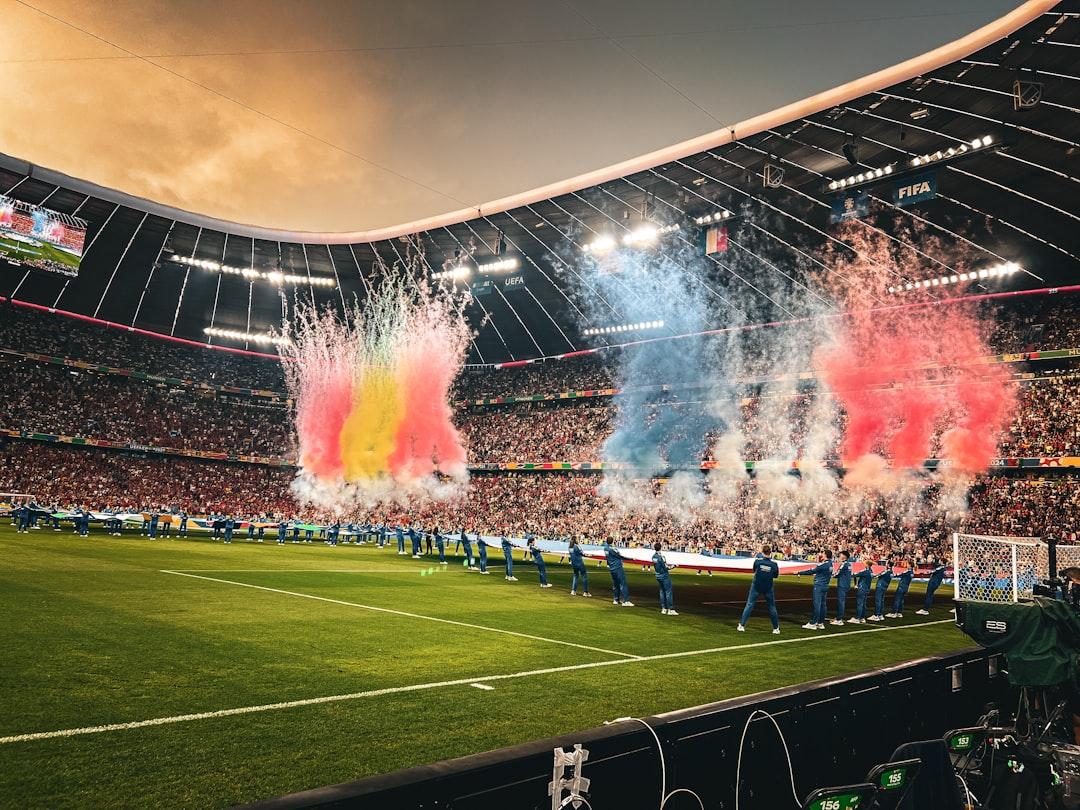
Key Takeaways
The road to the FIFA World Cup trophy is paved with high-pressure moments, but few matches have invited as much scrutiny as the recent Round of 16 clash between France and Paraguay. While France managed to secure their place in the next stage, the post-match discourse was almost entirely dominated by a scathing critique of the officiating team. In a tournament meant to showcase the pinnacle of global football, the spotlight has unexpectedly shifted from the star athletes to those tasked with enforcing the rules.
Patrick Ittrich, a well-respected former Bundesliga referee, did not mince his words when assessing the performance of the officiating crew. In a candid assessment, he labeled the display "the worst performance at this World Cup," igniting a firestorm of debate among fans, pundits, and FIFA officials alike. The criticism highlights a growing tension between the pace of modern football and the consistency of those holding the whistle.
Ittrich’s critique centers on the perceived inability of the referee to maintain control of the game’s tempo and the inconsistent application of disciplinary measures. According to Ittrich, the match was characterized by a lack of clarity, with players and viewers often left guessing as to why certain fouls were penalized while others were ignored.
Key areas of concern identified during the post-match analysis include:
- Inconsistent Foul Calling: Players on both sides struggled to gauge the threshold for what constituted a foul, leading to frustration and physical play.
- Poor Advantage Management: Several moments where a clear advantage could have been played were prematurely whistled dead, killing the momentum of the game.
- Communication Breakdowns: The lack of transparency in on-field decision-making created a sense of confusion that permeated the atmosphere of the stadium.
- VAR Integration Failures: Despite the presence of high-tech assistance, the referee appeared hesitant to leverage available tools to correct obvious errors.
One of the most significant points of contention in modern football is the reliance on Video Assistant Referees (VAR). While technology is intended to provide a safety net for human error, Ittrich suggests that the human element remains the deciding factor in the quality of a match. When officials are overwhelmed by the speed of the game, even the best technology cannot fully rectify a lack of intuition or game management skills.
"It wasn't just about missing a call," Ittrich noted in his analysis. "It was about being overwhelmed by the occasion. When a referee loses the rhythm of the match, the players lose their trust. Once that trust is gone, the game becomes a chaotic mess of protests and stop-start play." This sentiment resonates with a global audience that demands a fair and fluid viewing experience.
As the World Cup progresses toward the quarter-finals and beyond, the pressure on referees will only mount. FIFA faces a difficult challenge: how to support officials who are under immense public scrutiny while ensuring that the integrity of the tournament remains intact.
Moving forward, several questions remain about how governing bodies will address these concerns. Will we see a more transparent communication style from referees? Could there be stricter standards for those selected to officiate in high-stakes knockout games? For now, the global football community remains on edge, hoping that future matches will be defined by the skill of the players rather than the decisions of the officials.
As Imai News continues to monitor the situation, one thing is clear: the spotlight on officiating is brighter than ever. For the remaining teams, the hope is that the "worst performance" of the tournament is firmly in the rearview mirror, allowing the beautiful game to take center stage once again.
Enjoying this article?
Get the daily AI briefing sent straight to your inbox.
Frequently Asked Questions
Why was the referee criticized during the France vs. Paraguay match?
Former referee Patrick Ittrich criticized the performance due to inconsistent foul calling, poor game management, and an apparent inability to control the pace of the match.
What is the role of VAR in these officiating controversies?
While VAR is intended to assist, critics argue that it cannot replace the necessity for strong, intuitive on-field decision-making and game management.
Comments
0Please sign in to leave a comment.
Related articles
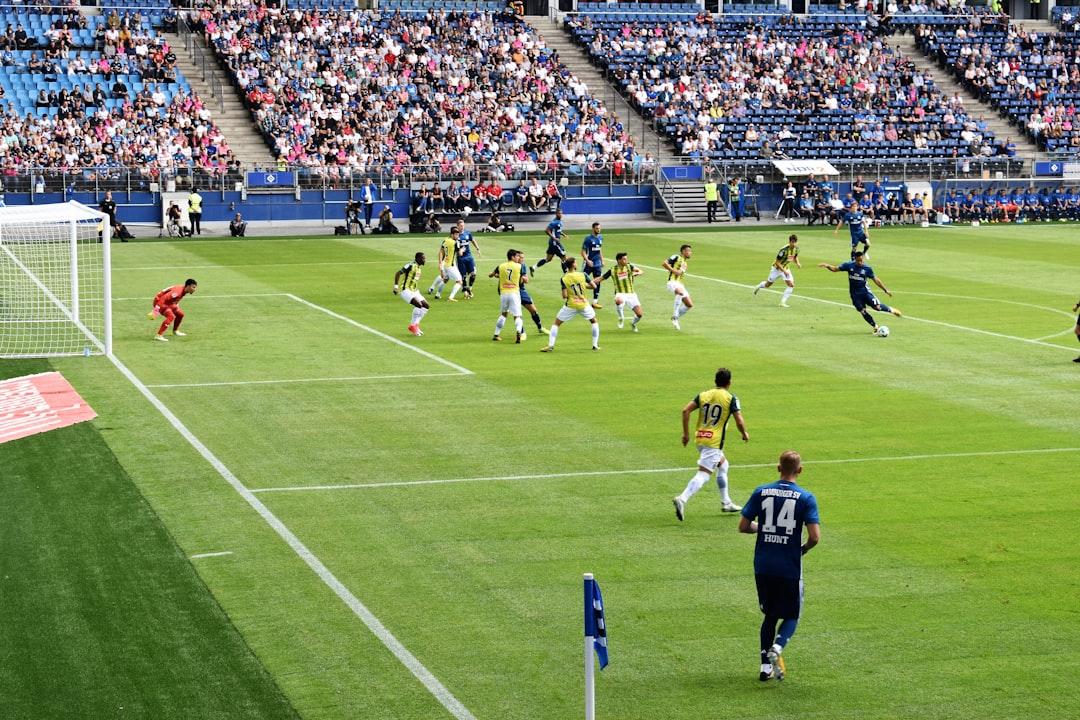
Mbappé Reveals the Psychological Edge Behind France’s Tactical Grittiness
Kylian Mbappé credits a calculated, psychological approach for France’s victory over Paraguay, revealing that the team intentionally leaned into a grittier style of play.
Liverpool Eyeing Transfer Target Praised by Erling Haaland
Liverpool are reportedly weighing a move for a dynamic attacker who has earned high praise from Manchester City’s Erling Haaland.
Real Madrid’s Transfer Strategy: Decoding the Pursuit of Olise and Davies
Real Madrid’s contrasting strategies regarding Michael Olise and Alphonso Davies offer a rare glimpse into the club's long-term recruitment philosophy.