- Real Madrid is undergoing a major restructuring of its medical department to address recurring player injuries.
- The club is moving toward a more proactive, data-driven approach to player fitness and injury prevention.
- Several long-term medical staff members are being replaced as part of a wider modernization effort.
- The goal of these changes is to ensure squad availability during the increasingly demanding European football calendar.
Real Madrid Overhauls Medical Department After Injury-Plagued Season
The Spanish giants are implementing a radical restructuring of their medical staff to mitigate the recurring fitness issues that hindered their previous campaign.
Jul 9, 2026·0 views
Key Takeaways
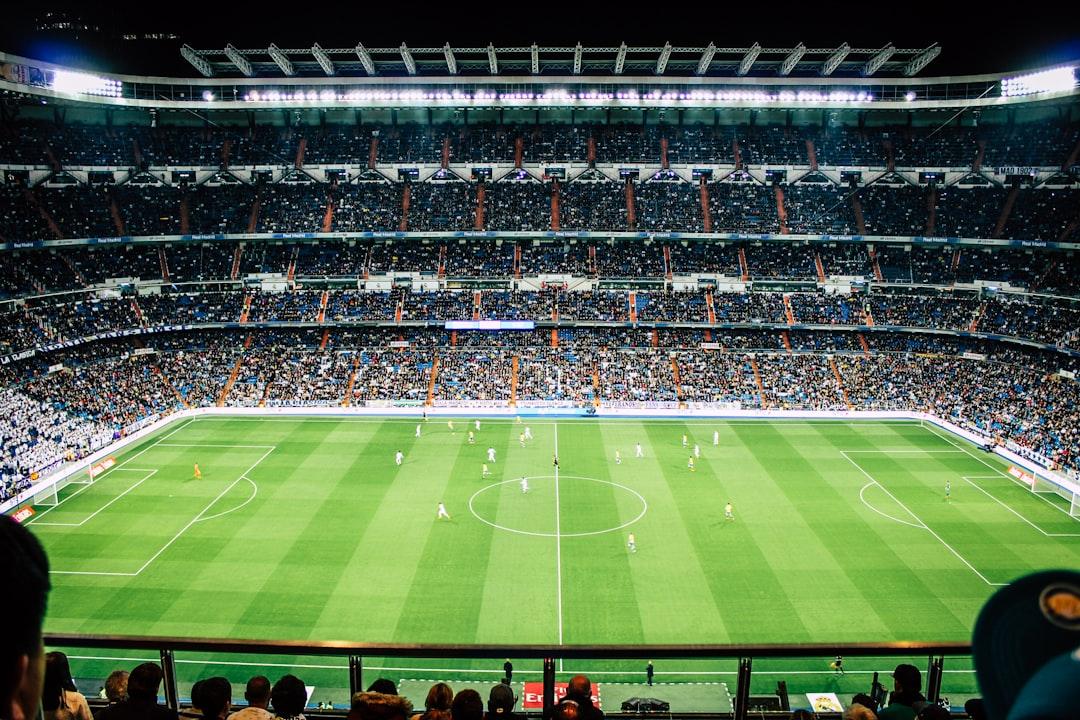
Real Madrid has officially commenced a sweeping restructuring of its medical department, a move prompted by the persistent injury crises that plagued the squad throughout the previous season. As the club prepares for an increasingly demanding fixture list, leadership at the Santiago Bernabéu has recognized that the current methodology for player recovery and injury prevention is no longer sufficient for the rigors of modern elite football.
Reports indicate that the club is parting ways with several long-standing members of the medical staff. This decision follows a campaign where key players, including defensive stalwarts and midfield engines, were sidelined for extended periods, forcing manager Carlo Ancelotti to constantly rotate his lineup and adapt his tactical approach under immense pressure.
Last season was marked by a series of high-profile fitness setbacks. The recurring nature of these injuries—particularly involving ligament issues and muscle strains—raised significant alarms within the club’s hierarchy. While Real Madrid managed to secure major silverware, the medical department came under intense scrutiny from both the coaching staff and the club’s board of directors.
Key areas identified for improvement include:
- Data-Driven Recovery: Implementing advanced biometric tracking to monitor player load and fatigue levels in real-time.
- Preventative Physiotherapy: Shifting from a reactive care model to a proactive, personalized fitness program for each athlete.
- Staff Specialization: Bringing in experts with specialized knowledge in sports science and rehabilitation protocols tailored to high-intensity training.
This restructuring is not merely about changing personnel; it is a fundamental shift in philosophy. The club is looking to align its medical practices with the most advanced sports science standards used by top-tier athletic organizations globally. By integrating artificial intelligence and predictive analytics into their injury prevention strategies, Real Madrid aims to identify "at-risk" players before injuries occur, rather than managing them once they have already happened.
Furthermore, the club is evaluating its training ground infrastructure. The transition to the newly renovated Santiago Bernabéu and the expanded facilities at Valdebebas provide the perfect backdrop for this technological and personnel upgrade. The goal is to create a seamless feedback loop between the fitness coaches, the medical staff, and the tactical coaching team, ensuring that every training session is optimized for maximum performance without compromising player longevity.
For a club like Real Madrid, which competes on multiple fronts—including La Liga, the UEFA Champions League, and various domestic cups—fitness is the ultimate differentiator. When players are sidelined, the team loses not only individual talent but also the tactical cohesion necessary to compete at the highest level.
By prioritizing this overhaul now, the club is signaling its intent to dominate the coming seasons. The pressure to remain at the top of European football is unrelenting, and the club’s leadership understands that having a full, healthy squad is the most important asset for any manager. As the new season approaches, all eyes will be on how these changes manifest in the team’s overall availability and performance on the pitch.
While the departure of long-term medical staff is always a difficult decision, it reflects the evolving nature of professional sports. In an era where the schedule is more packed than ever, Real Madrid is proving that they are willing to make the necessary, albeit difficult, changes to ensure their athletes remain in peak condition. This proactive approach will likely set a new benchmark for how elite football clubs manage the health and wellness of their most valuable assets in the years to come.
Enjoying this article?
Get the daily AI briefing sent straight to your inbox.
Frequently Asked Questions
Why is Real Madrid changing its medical staff?
The club is restructuring its medical department to address the high frequency of injuries that impacted the squad's performance during the previous season.
What improvements is Real Madrid making to player health?
The club is focusing on data-driven recovery, proactive physiotherapy, and specialized sports science to better monitor player fatigue and prevent muscle and ligament issues.
Comments
0Please sign in to leave a comment.
Related articles
Chelsea Scouting Mission: The Rise of IFK Göteborg Starlet Oliver Mansson
Chelsea is reportedly tracking IFK Göteborg midfielder Oliver Mansson, fueling speculation about the club's long-term strategy for elite youth acquisition.
Manchester City's Premier League Future at Risk Over Financial Breach Charges
Manchester City are under intense pressure as potential sanctions for alleged financial rule breaches threaten their status in the Premier League.
PSG vs Barcelona: Champions League Showdown Preview and Predictions
Paris Saint-Germain and Barcelona face off in a high-stakes Champions League encounter, with both sides aiming to assert dominance in the new league phase.