- Eugenia Kuyda, founder of Replika, has launched her new startup, Wabi.
- Wabi is a personal AI assistant that fulfills a vision Kuyda first proposed 12 years ago.
- The application is currently free to download and available to the public.
- Wabi differentiates itself through deep contextual memory and proactive user assistance.
Eugenia Kuyda’s Wabi: Realizing an AI Vision Twelve Years in the Making
After the success of Replika, founder Eugenia Kuyda returns to her roots with Wabi, a long-gestating project aimed at redefining personal AI assistance.
Oct 19, 2026·0 views
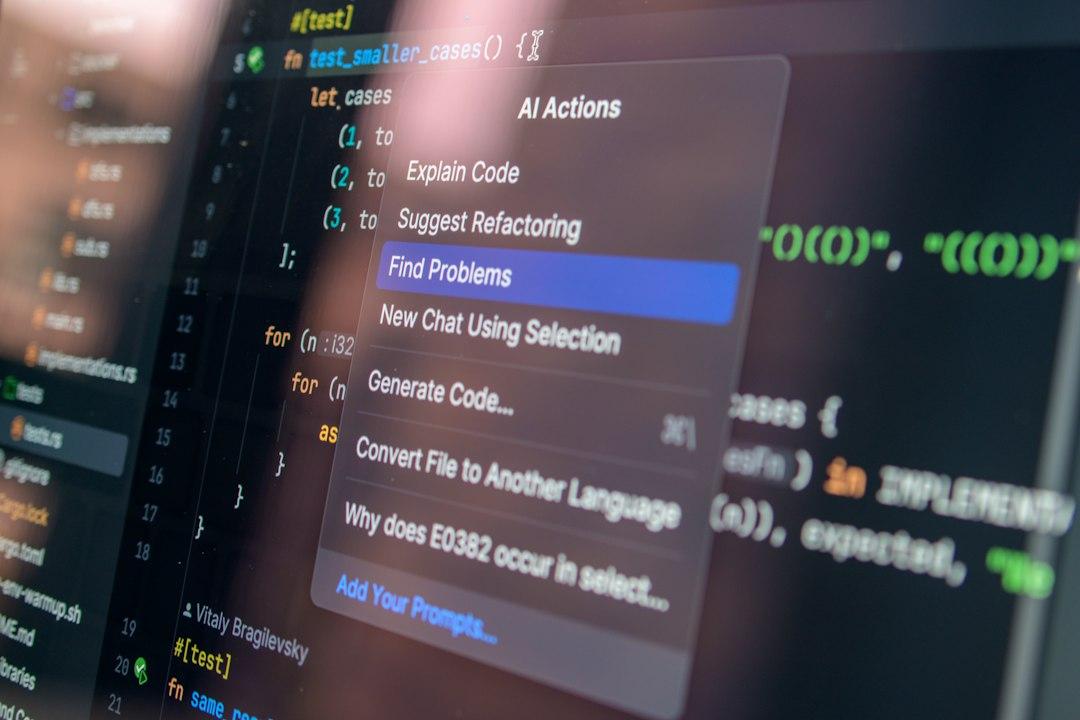
Key Takeaways
For those who have followed the trajectory of artificial intelligence over the past decade, Eugenia Kuyda is a name synonymous with the humanization of machine learning. Best known as the founder of Replika, the AI companion that transformed how millions interact with digital entities, Kuyda has now unveiled her latest venture: Wabi. The launch of Wabi is not merely the introduction of a new product; it is the culmination of a decade-long journey to realize a specific vision of personal digital assistance that Kuyda first articulated on the stage of TechCrunch Disrupt twelve years ago.
When Kuyda first pitched her concept for a personal AI assistant over a decade ago, the technological landscape looked vastly different. Large Language Models (LLMs) were in their infancy, and the concept of a conversational AI that could maintain long-term memory or emotional context was largely relegated to the realm of science fiction.
Despite the limitations of the era, Kuyda’s core thesis remained consistent: humans need an AI that acts less like a search engine and more like a digital extension of the self—a concierge, a confidant, and a highly personalized assistant rolled into one. Today, with the rapid advancement of generative AI, the tools required to build that vision are finally available, allowing Wabi to function as the realization of her original Disrupt pitch.
In a market currently saturated with AI assistants—from corporate giants like Google’s Gemini and OpenAI’s ChatGPT to niche productivity tools—Wabi enters the fray with a distinct philosophy. Unlike traditional assistants that prioritize task-oriented workflows or basic information retrieval, Wabi is designed to prioritize the "personal" in personal assistant.
- Deep Contextual Memory: Wabi is built to remember user preferences, life goals, and historical interactions with a level of precision that feels intuitive rather than transactional.
- Accessibility for All: True to Kuyda’s commitment to democratizing AI, Wabi is free to download and available to the general public starting today.
- Proactive Engagement: Rather than waiting for a prompt, Wabi leverages predictive patterns to offer suggestions, reminders, and insights that align with the user’s long-term objectives.
Kuyda’s work with Replika provided her with unique insights into how humans build parasocial relationships with AI. That experience has directly informed the architecture of Wabi. While Replika was designed primarily for companionship, Wabi is intended to be a more functional, goal-oriented partner. It sits at the intersection of productivity and personality, aiming to reduce the cognitive load that modern digital life imposes on the average user.
Industry analysts suggest that Wabi’s success will hinge on its ability to balance sophisticated AI capabilities with a user interface that remains approachable. By focusing on the "twist" she originally envisioned—a system that grows and learns alongside the user—Kuyda is betting that the future of tech isn't just faster processing, but deeper, more meaningful integration into our daily routines.
The launch of Wabi marks a significant milestone in the broader AI narrative. As we move away from the initial hype cycle of LLMs and into the era of practical, everyday application, tools like Wabi represent the next frontier. It is a testament to Kuyda’s foresight that a concept pitched twelve years ago is only now finding the infrastructure necessary to thrive. As users begin to download and interact with Wabi, the tech community will be watching closely to see if this iteration of the personal assistant can truly move the needle in an increasingly crowded marketplace.
Enjoying this article?
Get the daily AI briefing sent straight to your inbox.
Frequently Asked Questions
What is Wabi?
Wabi is a personal AI assistant developed by Replika founder Eugenia Kuyda, designed to provide highly personalized, proactive support to users.
Is Wabi free to use?
Yes, Wabi is currently free to download and available to the general public.
How does Wabi differ from other AI assistants?
Wabi focuses on deep contextual memory and long-term user alignment, aiming to act as a digital extension of the user rather than just a task-based tool.
Comments
0Please sign in to leave a comment.
Related articles
ReactOS Hits Critical Milestone: Native NTFS Support for OS Installation
ReactOS has officially unlocked the ability to install the operating system directly onto NTFS partitions, bridging a massive gap in compatibility.
OpenAI Engineer Accused of Spying Remains in Custody as Bail Denied
Former OpenAI engineer Abdulrahman Alfozan will remain behind bars as he awaits trial on charges of spying on company executives.
Plex Media Server Users Urged to Update Following Active Malware Attacks
Plex has issued critical updates to address security flaws currently being weaponized by threat actors to install malware on private media servers.