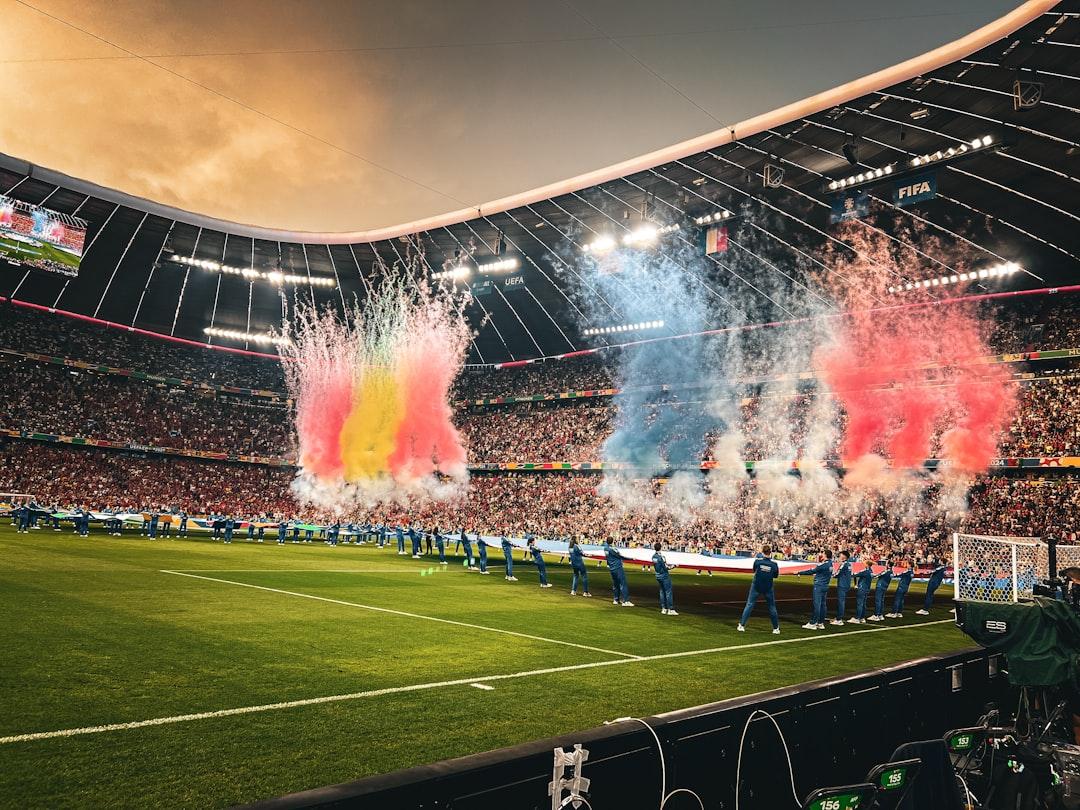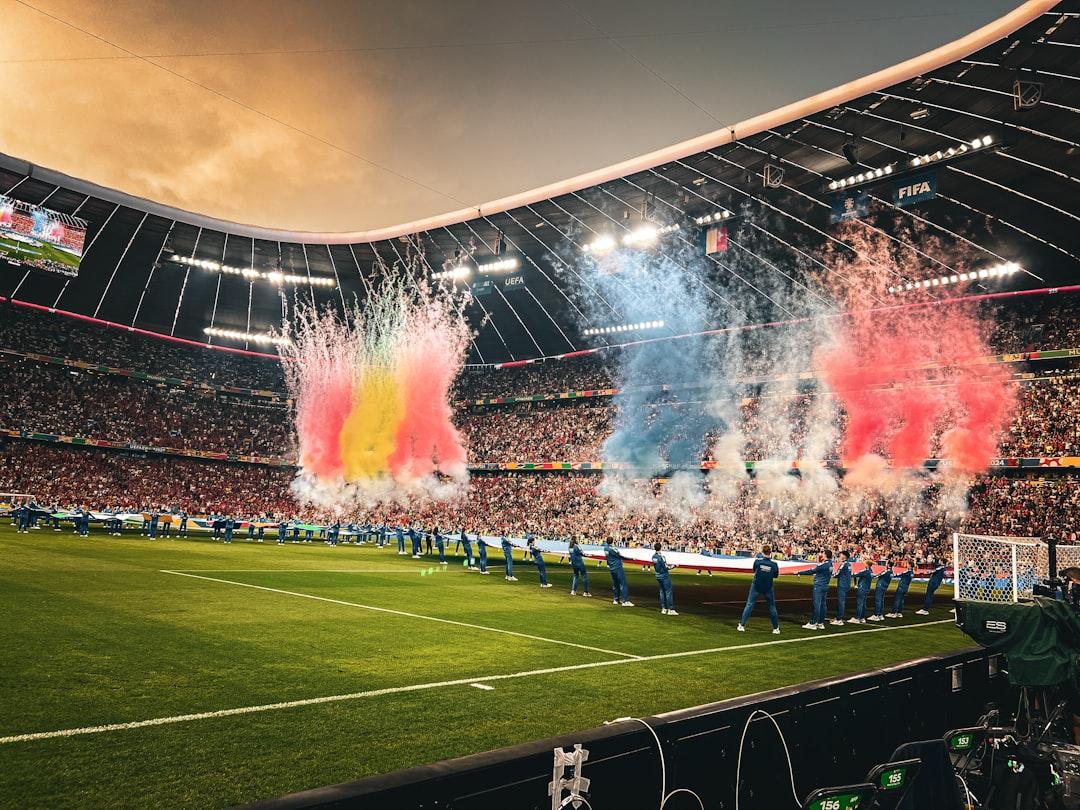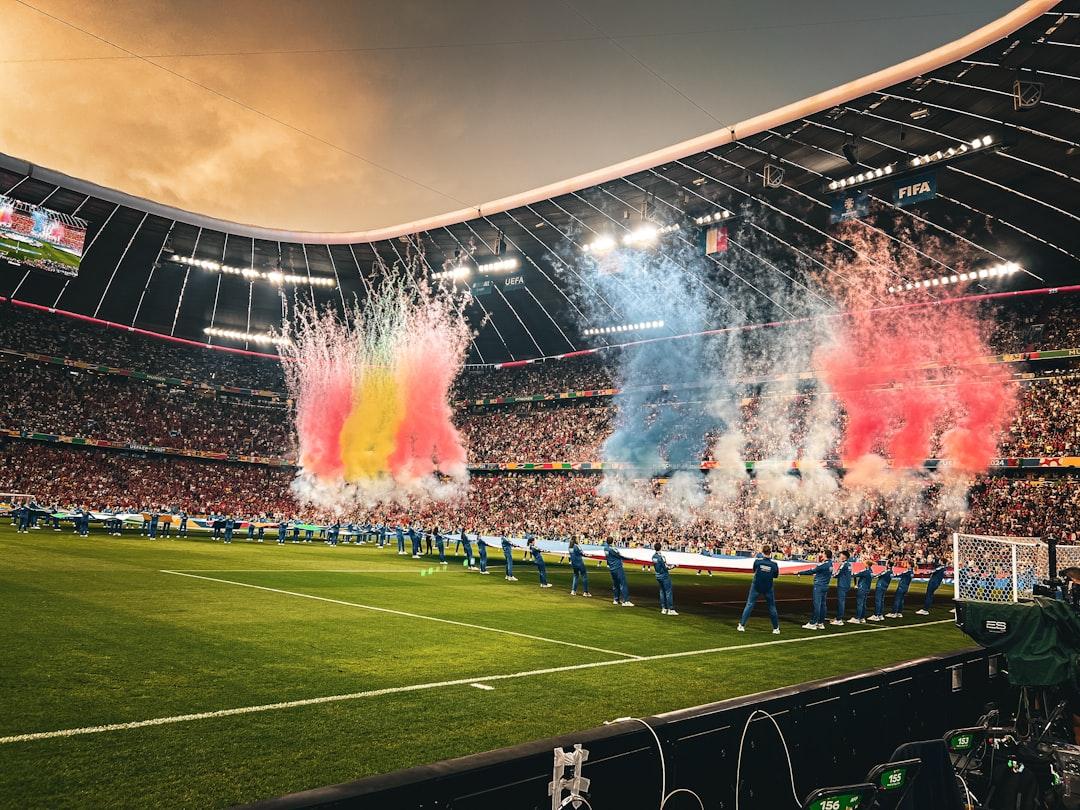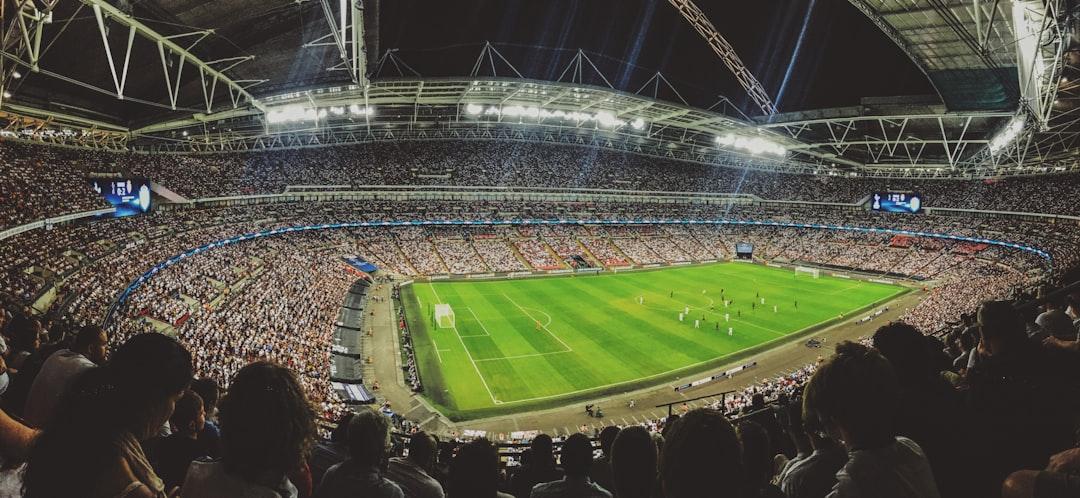
The atmosphere at Seattle Stadium was electric as Belgium faced a precarious situation in their latest World Cup group stage fixture. Trailing 2-0 against a resilient Senegal side, the European giants appeared to be on the verge of a shock exit. Goals from Diarra and Sar had put Senegal in a commanding position, leaving Belgian fans and the coaching staff desperate for a change in momentum.
That change arrived in the 55th minute, when head coach Rudi Garcia opted for a double substitution that would ultimately redefine the match. By withdrawing stars Kevin de Bruyne and Jeremy Doku, Garcia signaled a departure from his initial game plan, opting instead for the fresh energy of Rangers midfielder Nicolas Raskin and Dodi Lukebakio. The decision proved to be a masterstroke, shifting the tactical landscape of the game and providing the spark necessary for a historic comeback.
Since his introduction, Nicolas Raskin became the engine that drove Belgium’s resurgence. His presence in the center of the park provided the defensive stability that had been missing in the first half, while his distribution allowed Belgium to transition from defense to attack with newfound speed and precision.
Observers noted that Raskin’s ability to win contested balls and dictate the tempo of play stifled Senegal’s attempts to kill off the game. By controlling the midfield, he allowed the attacking players to push higher up the pitch, putting continuous pressure on the Senegalese defense. This tactical shift was instrumental in breaking down the opposition's low block and creating the space needed to mount a comeback.
The comeback was not merely a result of individual brilliance but a testament to the depth and resilience of the Belgian squad. Under the guidance of Rudi Garcia, the team demonstrated the mental fortitude required to overcome a significant deficit on the world’s biggest stage. Key factors in the victory included:
- Strategic Substitutions: Replacing established stars with high-energy players like Raskin and Lukebakio changed the rhythm of the game.
- Midfield Control: Raskin’s defensive work rate allowed Belgium to reclaim possession and dominate the middle third.
- Clinical Finishing: Once the pressure was applied, the Belgian attack capitalized on their chances, systematically dismantling the Senegal defense.
- Defensive Compactness: After the initial goals conceded early on, the Belgian backline tightened significantly, preventing Senegal from extending their lead further.
With this victory, Belgium has officially punched their ticket to the last 16 of the World Cup. The result serves as a warning to their future opponents: this Belgian side possesses the depth to recover from adversity and the tactical flexibility to adapt to changing match conditions.
For Nicolas Raskin, the performance is a career-defining moment. Coming off the bench to influence such a high-stakes match will undoubtedly earn him more trust from the coaching staff as the tournament progresses. As the team shifts their focus toward the knockout rounds, the confidence gained from this comeback will be vital. Belgium enters the next stage not just as a team that qualified, but as a team that proved they have the grit to fight back when the odds are stacked against them.
While the celebration in Seattle was rightfully intense, the work is far from finished. The knockout stages present a new set of challenges, where one mistake can lead to elimination. However, the synergy displayed between the starting XI and the impact substitutes suggests that Rudi Garcia has built a balanced squad.
As fans and analysts look forward to the upcoming matches, all eyes will be on how the team manages their rotations. If Raskin continues to perform with the same composure and vision he displayed against Senegal, he may well find himself in the starting lineup for the next crucial encounter. Regardless of the lineup choices, the spirit shown at Seattle Stadium has solidified Belgium’s status as a formidable contender in this year’s competition.