- The USMNT player pool is currently at its deepest level in history.
- Christian Pulisic remains a central figure, though competition for the top spot is increasing.
- The midfield trio of Adams, Musah, and McKennie provides a stable tactical foundation.
- The addition of Folarin Balogun has addressed the team's historical need for a clinical striker.
- Success in 2026 will depend on building chemistry and tactical consistency over the next two years.
Ranking the Top 25 USMNT Stars: Who Leads the Charge Toward 2026?
As the U.S. Men’s National Team shifts focus to the 2026 World Cup, we evaluate the current depth chart and identify the players defining the future of American soccer.
Jul 11, 2026·0 views

Key Takeaways
The dust has settled on the post-World Cup landscape, and for the United States Men’s National Team (USMNT), the focus has shifted entirely toward the 2026 cycle. With the United States set to co-host the tournament alongside Canada and Mexico, the pressure to solidify a world-class starting XI and a robust bench has never been higher. The talent pool is currently experiencing an unprecedented level of depth, blending established European veterans with rising stars from Major League Soccer and emerging youth academies.
Naturally, the conversation begins with Christian Pulisic. Often labeled the 'Captain America' of the squad, Pulisic’s standing in the hierarchy is constantly scrutinized. While some critics argue that his fluctuating form at the club level might threaten his position at the very top of the list, his impact on the international stage remains undeniable. Pulisic remains the primary creative engine for the USMNT, and despite the emergence of new attacking threats, he occupies a tier of his own when it comes to experience and big-game pedigree.
However, the gap between Pulisic and the rest of the pack is shrinking. Players like Weston McKennie, Tyler Adams, and Antonee Robinson have cemented themselves as untouchable fixtures in the squad. These players have proven their worth in some of the world's most demanding leagues, providing the defensive stability and tactical awareness that the USMNT lacked in previous generations.
The engine room remains the most competitive area of the pitch. Tyler Adams continues to be the tactical lynchpin, providing the necessary grit to break up opposing plays. Beside him, Yunus Musah has evolved into a dynamic box-to-box presence, capable of navigating tight spaces with ease. The depth in the midfield is arguably the team's greatest strength, allowing the coaching staff to experiment with different formations depending on the opponent’s profile.
Key players in the midfield rotation include:
- Tyler Adams: The undisputed leader in the defensive midfield role.
- Yunus Musah: A versatile transition player with elite dribbling skills.
- Weston McKennie: The physical heartbeat of the team, known for aerial prowess and late-game runs.
- Johnny Cardoso: A rising star who has successfully translated his high-pressure defensive work from La Liga to the international stage.
Beyond Pulisic, the attacking options have expanded significantly. Folarin Balogun’s decision to pledge his international future to the United States has provided the team with a clinical finisher that was previously missing. Coupled with the explosive pace of Tim Weah and the creative vision of Giovanni Reyna, the USMNT now possesses an attacking front three that can trouble even the most organized defenses in the world.
Reyna, in particular, represents the 'X-factor' for this team. His ability to thread needles and operate between the lines makes him a nightmare for defenders. If he can maintain fitness and consistent playing time, his trajectory suggests he could challenge for the number one spot in the player pool rankings within the next 18 months.
The backline has also seen a shift in personnel. While the center-back pairing was once a point of concern, the maturation of Chris Richards and the continued reliability of Cameron Carter-Vickers have provided a necessary foundation. The full-back positions remain among the most productive in the pool, with Antonee Robinson serving as a constant outlet for attack on the left, and Sergino Dest providing unique technical flair on the right.
The road to 2026 is paved with challenges, but the talent is undeniably present. The current USMNT pool is not just about individuals; it is about the chemistry that is slowly building between these players. As we move closer to the tournament, the focus will shift from identifying talent to refining tactical systems and ensuring that the depth chart is resilient enough to withstand the rigors of a major tournament. Whether Pulisic remains at the very top of the list or is joined by a new generation of leaders, the future of the U.S. Men’s National Team appears brighter than ever.
Enjoying this article?
Get the daily AI briefing sent straight to your inbox.
Frequently Asked Questions
Who is currently considered the best player in the USMNT pool?
While rankings can be subjective, Christian Pulisic remains the most prominent figure, though players like Tyler Adams and Weston McKennie are viewed as equally essential to the team's structure.
Why is the 2026 World Cup significant for the USMNT?
The 2026 World Cup is significant because it will be hosted by the United States, providing the team with a home-field advantage and a massive platform to showcase their growth.
Comments
0Please sign in to leave a comment.
Related articles
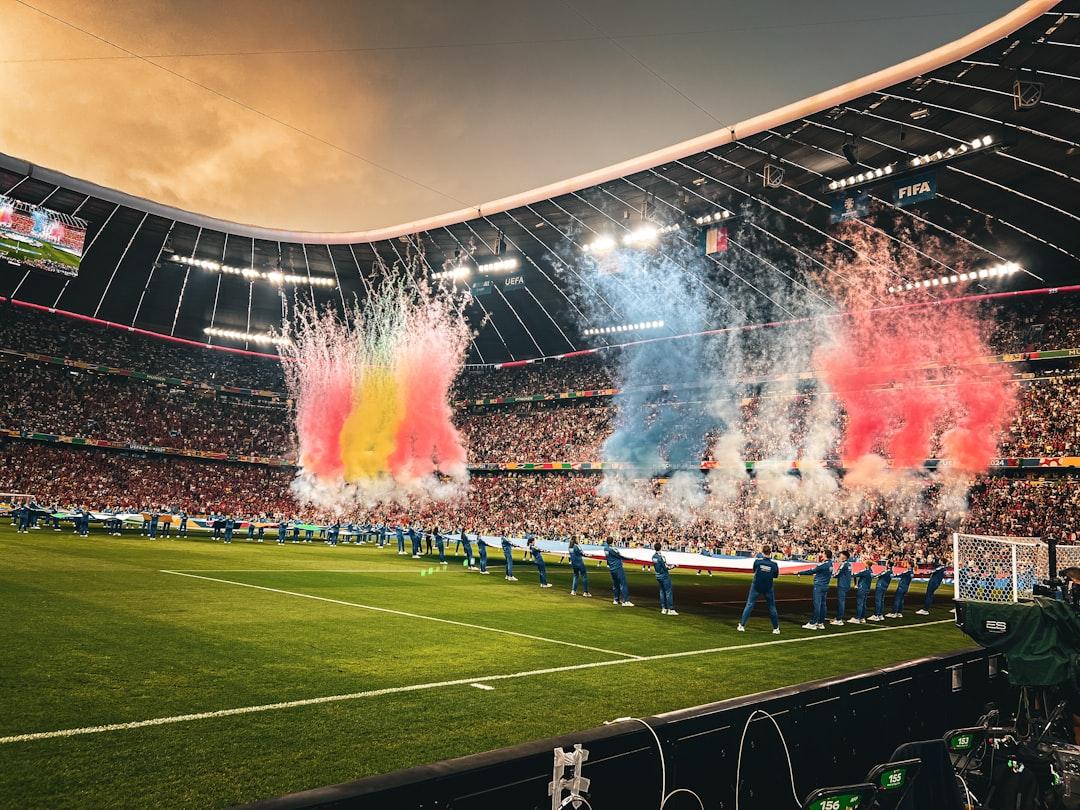
Spain Clinches Semifinal Spot in Thrilling 2026 World Cup Clash Against Belgium
In a dramatic quarterfinal battle at SoFi Stadium, Spain defeated Belgium to advance to the 2026 FIFA World Cup semifinals.
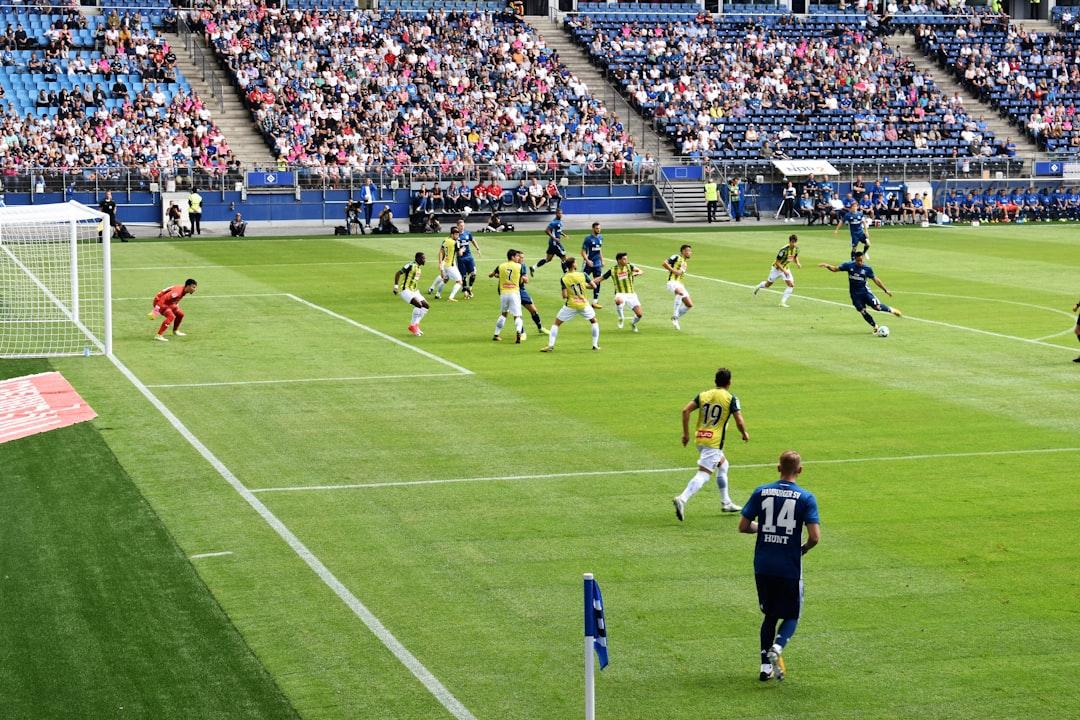
Spain Clinches World Cup Semifinal Spot in Dramatic Win Over Belgium
Spain has secured their place in the World Cup semifinals after a dramatic 2-1 victory over Belgium, setting the stage for a blockbuster showdown with France.
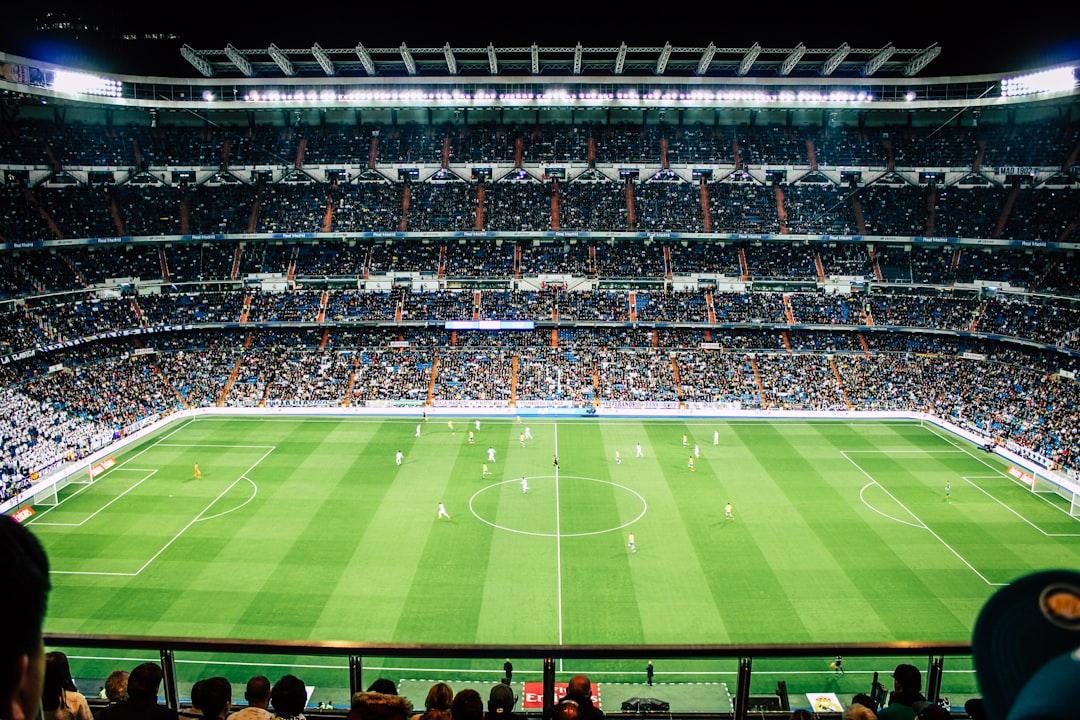
USMNT Future Outlook: What Lies Ahead for the Stars and Stripes Post-2026
With the 2026 World Cup on the horizon, the USMNT is already looking toward the future. We examine the upcoming friendlies and Nations League roadmap.