- France secured a narrow victory over Paraguay following a highly controversial penalty decision.
- Paraguay's defensive discipline was undone by a VAR review that penalized Diego Gomez for a challenge on Désiré Doué.
- The decision sparked immediate protests from Paraguayan players, who accused Doué of diving.
- The incident has reignited debates over the subjective application of VAR in international football tournaments.
Olympic Football Controversy: Desire Doué Penalty Sparks Debate in France vs. Paraguay
A pivotal penalty decision has ignited a fiery debate among players and fans alike, shifting the momentum in a tense Olympic football showdown.
Jul 4, 2026·0 views
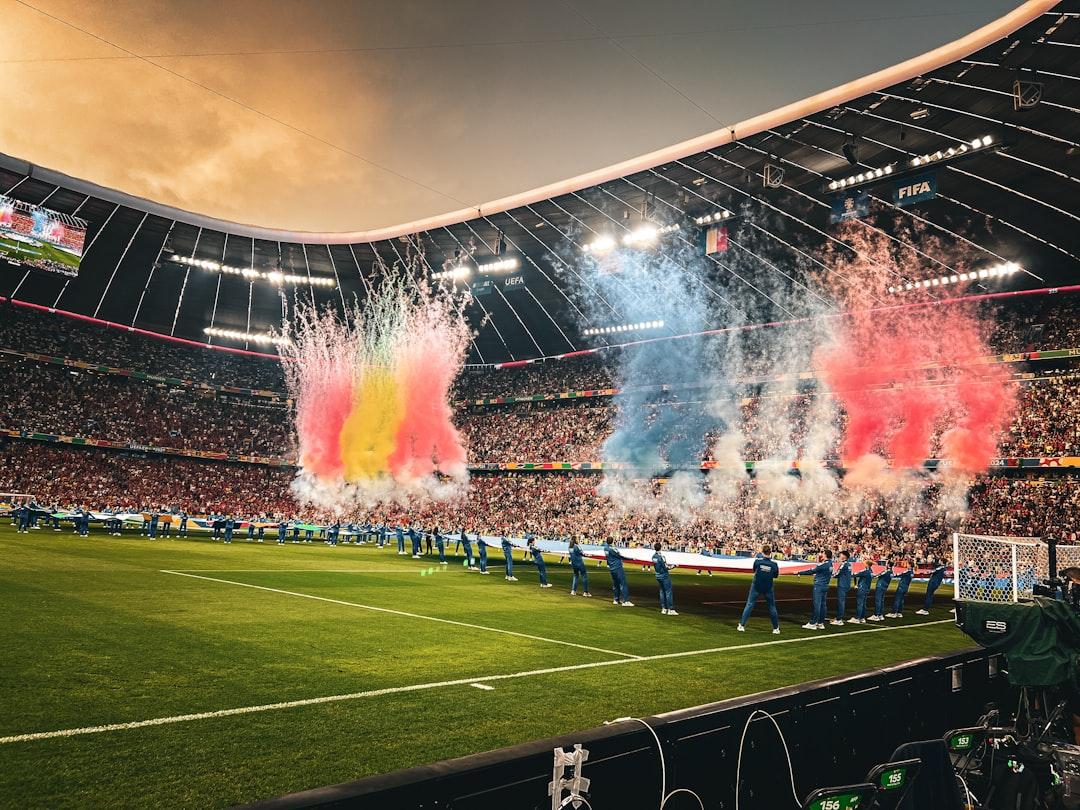
Key Takeaways
The Olympic football tournament is often a stage for emerging talent and tactical masterclasses, but the recent clash between France and Paraguay has become a flashpoint for a different reason: officiating controversy. In a match defined by defensive grit and tactical discipline, the deadlock was finally broken not by a moment of individual brilliance, but by a contentious penalty decision that has left the Paraguayan squad in disbelief.
Paraguay had executed their game plan with surgical precision for much of the match. Their defensive block was impenetrable, frustrating the French attackers and forcing the hosts into difficult, low-percentage shooting positions. As the game wore on, the pressure mounted, and the tension on the pitch reached a boiling point in the penalty area.
The turning point occurred when France’s Désiré Doué surged into the box, seemingly looking to create a dangerous opportunity. As he navigated past the Paraguayan defense, he went to ground under a challenge from Diego Gomez. Initially, the referee allowed play to continue, signaling a firm 'no' to the French protests. However, the intervention of the Video Assistant Referee (VAR) brought the game to a grinding halt.
Upon review, the official reversed the initial call, pointing to the spot for a penalty. The decision sent shockwaves through the Paraguayan camp. Players were visibly distraught, surrounding the referee to protest what they perceived as a clear dive or, at the very least, insufficient contact to warrant a spot-kick. The slow-motion replays displayed on stadium screens only served to heighten the frustration, as the contact appeared minimal to many observers.
Following the match, the sentiment among the Paraguayan players was one of profound injustice. The defensive effort they had put in—holding off a talented French side for nearly the entire duration—felt wasted due to a single interpretation of the rules. For Paraguay, the penalty was not merely a tactical setback; it was a psychological blow that altered the trajectory of their Olympic journey.
"It’s hard to swallow," one Paraguayan representative noted post-match. "We played with our hearts, we stayed disciplined, and to have the game decided by a call like that is devastating." The incident has reignited the global conversation regarding the threshold for fouls in the box and the reliance on VAR in high-stakes international competitions.
This incident serves as a primary case study for the evolving role of AI and video technology in sports. While VAR was introduced to eliminate 'clear and obvious' errors, the grey area surrounding what constitutes a 'foul' remains a point of contention. In this instance, the subjective nature of the contact meant that even with the assistance of technology, the decision remained divisive.
For fans and analysts, the question remains: is the sport becoming too reliant on microscopic reviews of every touch, or is this the necessary price of accuracy? As the Olympic football tournament progresses, officials will be under even greater scrutiny to ensure that their interventions enhance the game rather than detracting from the spectacle.
As France moves forward in the tournament, they will likely focus on their performance rather than the officiating. However, for Paraguay, the task is to regroup and recover from the emotional toll of this defeat. The resilience they showed throughout the match suggests they are a team to be reckoned with, but their path forward is now significantly steeper.
Whether or not Doué 'dived' will remain a topic of debate in pubs and social media forums for weeks to come. What is certain is that this match will be remembered as one of the most controversial chapters of the current Olympic cycle. As we look toward the knockout stages, both teams and officials must reconcile with the reality that in the modern game, the smallest decisions can lead to the biggest consequences.
Enjoying this article?
Get the daily AI briefing sent straight to your inbox.
Frequently Asked Questions
Was the penalty for France against Paraguay controversial?
Yes, the penalty was highly controversial. Paraguayan players strongly disputed the call, arguing that the contact was insufficient and that Désiré Doué had dived.
Did VAR play a role in the France vs. Paraguay Olympic football match?
Yes, the referee initially waved play on, but after a VAR review, the decision was overturned and a penalty was awarded to France.
Comments
0Please sign in to leave a comment.
Related articles
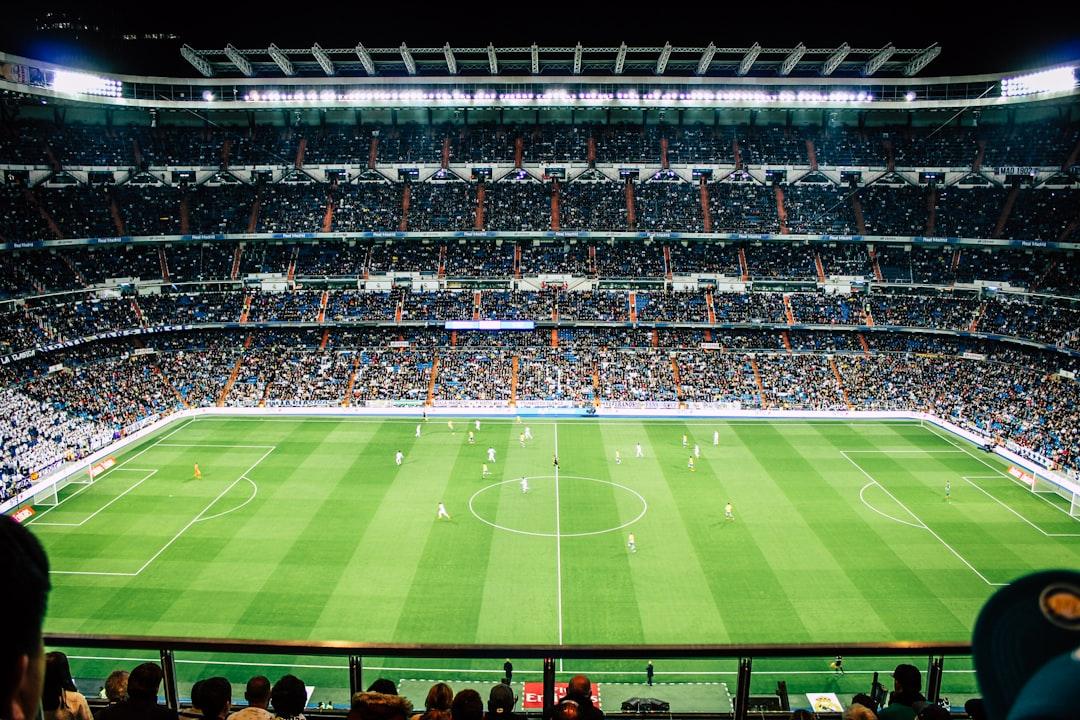
The Seattle Cauldron: Why Belgium Must Brave the Ultimate Noise Test Against the USMNT
Belgium faces a hostile, 67,000-strong crowd in Seattle for their crucial Round of 16 matchup against the United States. Can the Red Devils' tactical discipline quiet the loudest stadium in North American soccer?
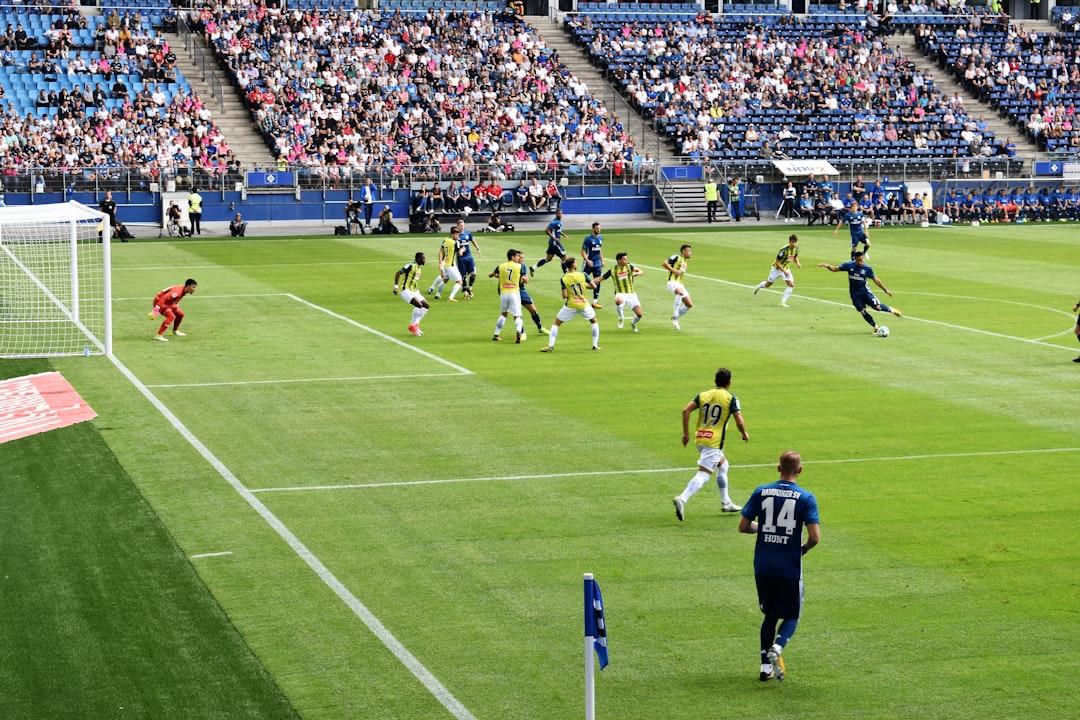
Tactical Grit: Three Key Takeaways from France’s Hard-Fought Win Over Paraguay
France survived a grueling battle against Paraguay to advance in the tournament. We break down the tactical lessons from this high-stakes victory.
Kylian Mbappé: The Heir Apparent Defining a New Era of World Cup Glory
With record-breaking pace and clinical finishing, Kylian Mbappé has emerged as the definitive superstar of modern football, setting the stage for the 2026 World Cup.