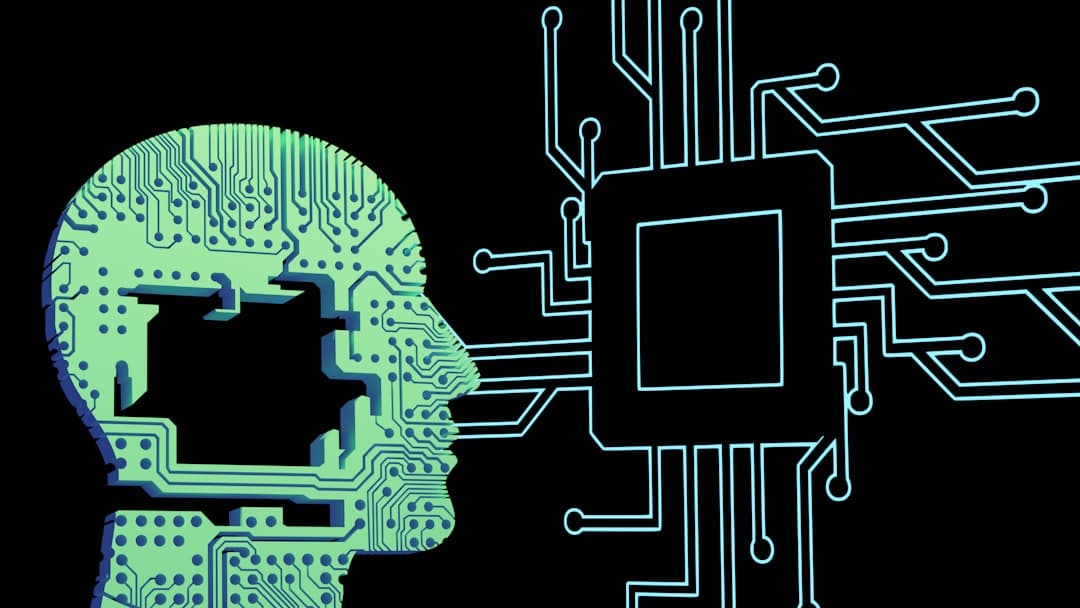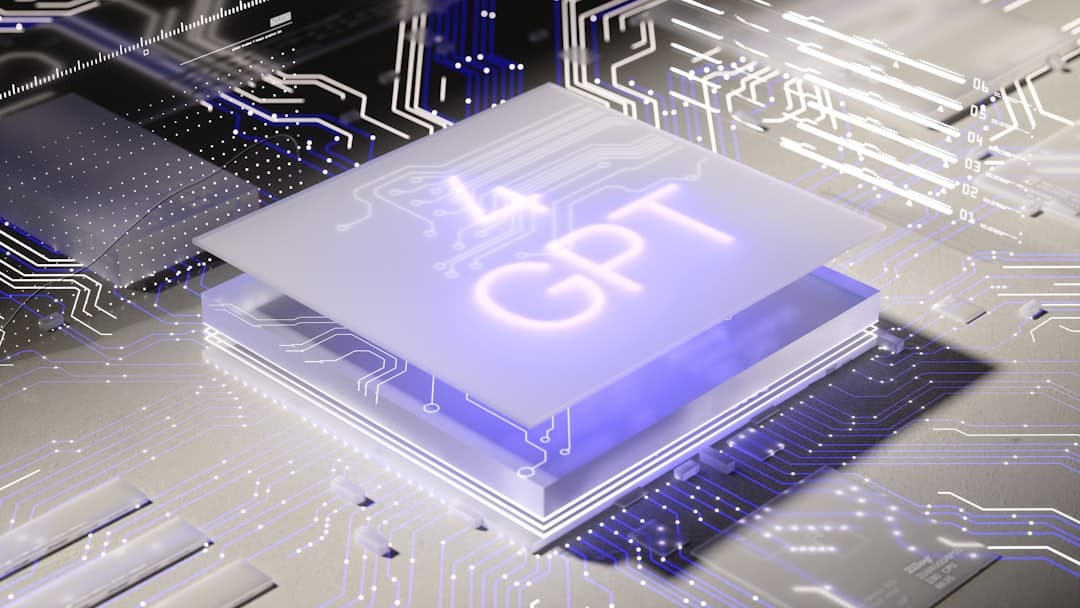
For years, the technology industry has been obsessed with the term "AI PC." Manufacturers have slapped stickers on chassis and added dedicated keys to keyboards, yet for most users, the actual experience of owning an AI-capable laptop remains underwhelming. The software often feels like a cloud-tethered gimmick rather than a fundamental shift in how we interact with our machines. Nvidia, however, believes it has found the missing piece of the puzzle with its new RTX Spark platform.
By focusing on local, low-latency processing, Nvidia is attempting to move the needle from cloud-dependent chatbots to robust, on-device intelligence. The RTX Spark architecture is designed to handle the heavy lifting of generative AI without burning through battery life or requiring an constant internet connection. This shift is not just an incremental upgrade; it is a fundamental rethinking of how graphics processing units (GPUs) integrate with the modern operating system.
At the heart of the RTX Spark initiative is a specialized focus on Tensor Core optimization. While previous generations of RTX chips were primarily optimized for gaming frame rates and creative rendering, Spark architecture prioritizes "inference efficiency." This means the chips are specifically tuned to run Large Language Models (LLMs) and diffusion models with minimal power overhead.
Why does this matter for the average consumer? In current laptops, running an LLM locally often results in thermal throttling and fans spinning at maximum speed. The RTX Spark platform aims to mitigate this by:
- Dynamic Power Allocation: Shifting AI tasks to dedicated silicon paths that consume a fraction of the power required by traditional CUDA cores.
- Optimized Memory Management: Utilizing high-speed, low-latency VRAM configurations that keep model weights closer to the compute engine, reducing bottlenecks.
- Software-Hardware Co-Design: Integrating Nvidia’s software stack more deeply into the Windows kernel to ensure that AI tasks are prioritized correctly without interrupting user workflows.
Nvidia’s strategy is not just about raw power; it is about utility. The company is positioning RTX Spark laptops as the ultimate tool for developers, data scientists, and creative professionals who need to run complex models locally for privacy or performance reasons. By keeping data on the device, Nvidia is addressing a growing concern among enterprise clients: data sovereignty.
For developers, this means the ability to run local instances of Llama 3 or similar models for code completion and debugging without latency. For content creators, it implies real-time generative fill and high-fidelity upscaling that doesn't rely on expensive cloud subscriptions. The "Spark" branding is a clear signal that Nvidia wants these devices to be the ignition point for a new generation of local AI applications.
Despite the technical promise, the path to market disruption is not without obstacles. The primary challenge remains the software ecosystem. Even with the best hardware, AI applications must be optimized to take advantage of the Spark architecture. Nvidia is currently working with major software vendors—from Adobe to Microsoft—to ensure that their applications are "Spark-ready."
Furthermore, the competition is fierce. Both Intel and AMD are aggressively pushing their own Neural Processing Units (NPUs) in their latest chipsets. While Nvidia holds a significant lead in raw GPU compute, the battle for the AI PC will ultimately be won by the platform that offers the best balance of power, efficiency, and software support. Nvidia’s advantage lies in its massive existing install base of developers who are already familiar with the CUDA ecosystem.
As these machines begin to hit the market, the definition of a "laptop" is likely to undergo a significant shift. We are moving away from devices that merely display digital content toward machines that actively participate in the creation and analysis of information. If Nvidia’s RTX Spark can deliver on the promise of efficient, local, and powerful AI, it may finally turn the "AI PC" from a buzzword into an essential tool for the modern professional. The era of the intelligent, autonomous, and portable workstation has officially begun.